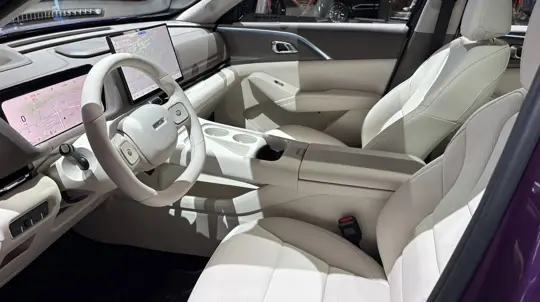
Smarter EV charging: keep it at 80–90% to protect battery health
 © Dasha Sysoeva
Learn why charging your EV to 80–90% and avoiding long plug-ins preserves battery health. Tips for NMC vs LFP packs, heat, and micro-cycles. Drive longer.
Author: Polina Kotikova
Even as electric cars mature, many owners still push the battery to a full 100 percent for peace of mind and leave the cable in for hours. The snag is that the very top of the state-of-charge scale—roughly from 80 to 100 percent—tends to generate more heat and puts extra stress on the cell materials. The higher the voltage and temperature, the faster tiny defects accumulate, and over time the pack loses efficiency.
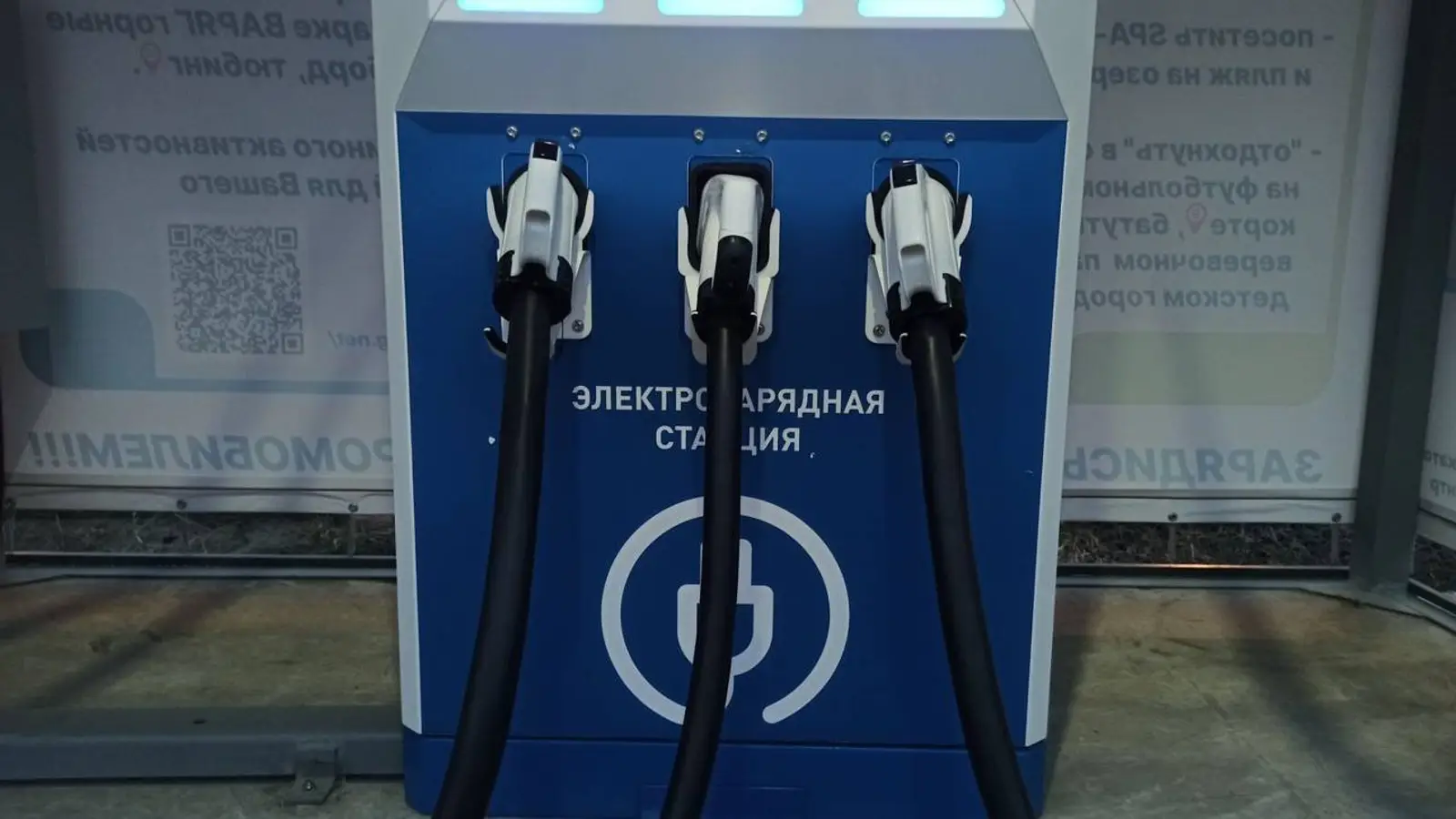
Another unhelpful habit is leaving the car tethered for days. Charging technically pauses, but the level slowly drifts down by fractions of a percent, especially in warm weather. The charger then nudges it back to 100 percent, triggering short micro-cycles right at the top—exactly where the battery has the hardest time. Heat only makes this loop harsher.
Chemistry matters as well. NMC (nickel–manganese–cobalt) packs are usually more sensitive to sitting at 100 percent, while LFP (lithium iron phosphate) is generally more comfortable with full charges and sometimes even needs them for proper calibration. Still, parking at a full charge for long stretches is better avoided.
For everyday driving, especially in city-focused EVs, it pays to live in the middle: charge more often to around 80–90 percent, steer clear of 0 percent, and don’t keep the car plugged in unless you need to. It is a simple habit that genuinely extends battery life—and in practice proves more useful than squeezing out the very last miles of range.
This English edition was prepared using AI translation under editorial oversight by SpeedMe. The original reporting is by Polina Kotikova
Latest Stories