Volkswagen faces new Dieselgate fraud case in French court
 © speedme.ru
French prosecutors launch criminal case against Volkswagen over Dieselgate emissions fraud, with trial set for 2027. Learn about potential fines and legal implications.
Author: Polina Kotikova
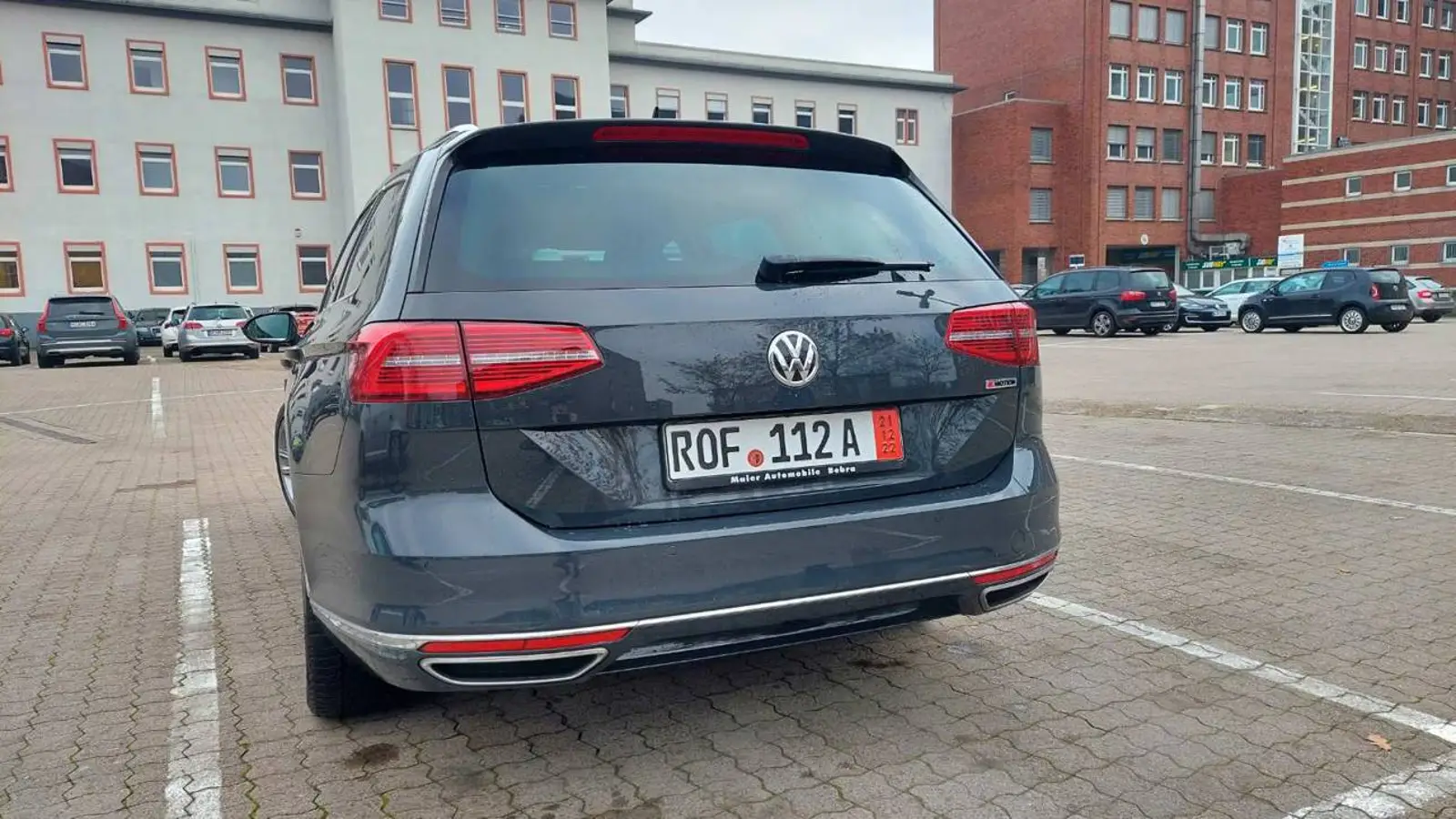
More than a decade after the Dieselgate scandal first erupted, French prosecutors have launched a new criminal case against Volkswagen. The investigation concluded on January 30, 2026, when Paris authorities sent the case to court, accusing the company of fraud related to a product that poses a danger to human and animal health. This involves TDI diesel models equipped with software that artificially lowered emissions during testing.
The French prosecution aims to hold not only Volkswagen accountable but also Renault and Stellantis. The first hearing is scheduled for December 18, 2026, with the trial likely to begin in 2027. If found guilty of misleading consumers, Volkswagen could face a fine ranging from 750,000 euros up to 10% of its annual revenue, along with potential restrictions on marketing practices.
Back in 2015, it was revealed that around 11 million Volkswagen diesel engines had been programmed to cheat emissions tests, emitting up to 40 times more nitrogen oxides in real-world driving. Although similar schemes were later uncovered at other automakers, Volkswagen became the scandal's poster child due to its sheer scale and global reach.
Lawyers for affected French owners argue that the company has ignored their demands for compensation for material and moral damages, a stark contrast to the hefty payouts made in other countries. In the U.S., for instance, Volkswagen has already paid over $32 billion.
Volkswagen has not yet commented on the court's decision, but it previously challenged the concept of aggravated fraud, claiming that French buyers did not suffer compensable harm. This new legal battle could become one of the most high-profile continuations of Dieselgate in Europe.
This English edition was prepared using AI translation under editorial oversight by SpeedMe. The original reporting is by Polina Kotikova
Latest Stories