U.S. new car sales fall in February with EV share down and prices up
 © A. Krivonosov
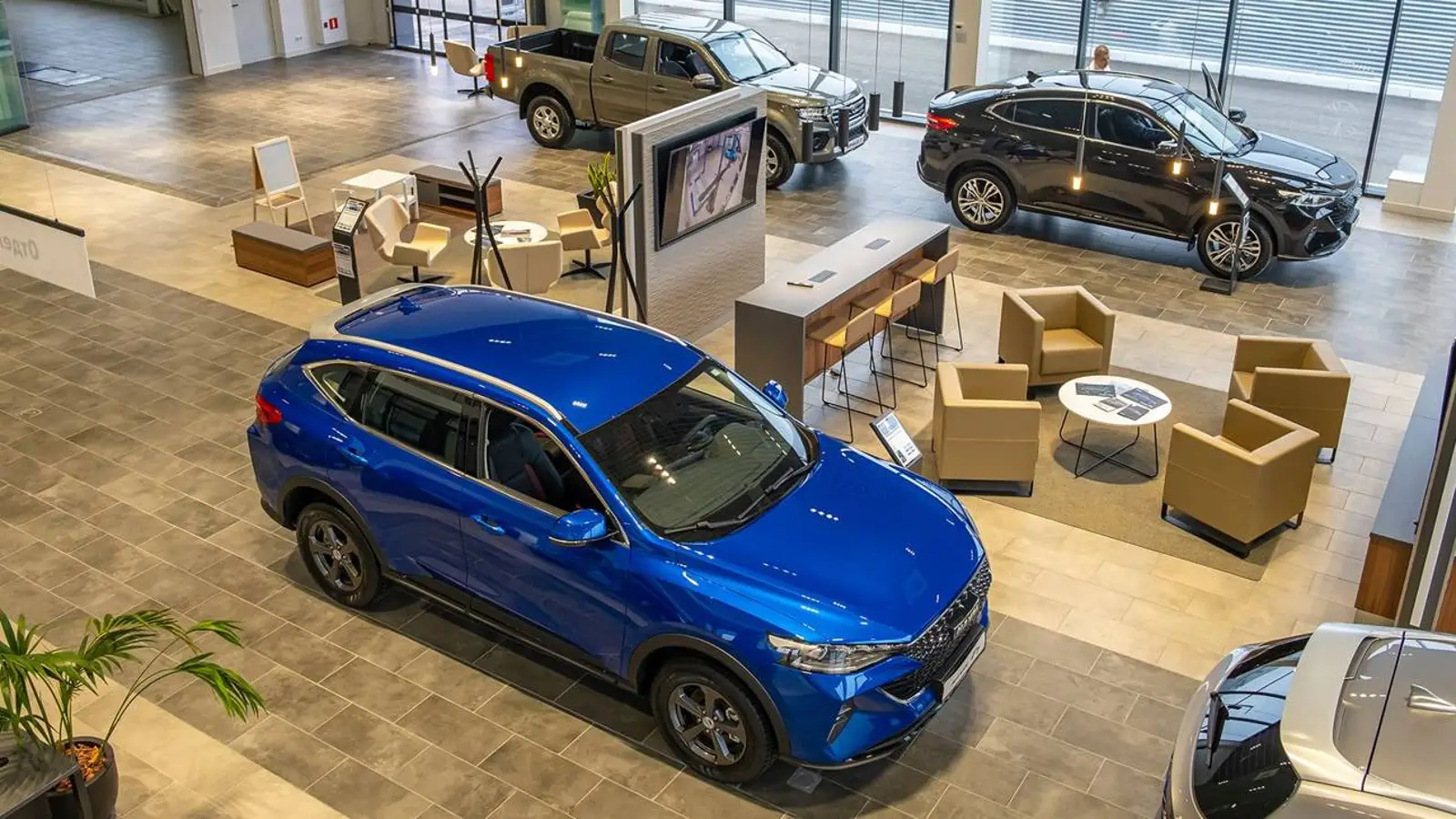
U.S. new car sales projected at 1.183 million units in February, a 3.8% decline. EV market share drops to 6.6%, while hybrids grow. Average price rises to $46,303.
Author: Polina Kotikova
According to J.D. Power and GlobalData, new car sales in the U.S. are projected to reach 1.183 million units in February, marking a 3.8% decline compared to the same period last year. Retail sales are expected to hit 931,400 vehicles, down 4.6% from last year's figures. This matters because it highlights a shift in consumer preferences: EVs now account for just 6.6% of retail sales, a drop of 1.8 percentage points, while hybrids have grown to 13.5%.
The average transaction price is set to rise to $46,303, up 2.7%. In practice, this means EVs will reach an average price of $46,528, while traditional models will average $46,097. However, discounts are growing unevenly. The average discount stands at $3,293, but for EVs, it still exceeds $10,000 and remains below last year's levels.
For buyers, this is important since the average monthly loan payment is climbing to $811, and more consumers are opting for 84-month loans, which now make up nearly 13% of deals. Overall, the picture is straightforward: the average time a car sits on a dealer lot is 59 days, and the share of quick sales (under 10 days) has fallen to 26%.
This English edition was prepared using AI translation under editorial oversight by SpeedMe. The original reporting is by Polina Kotikova
Latest Stories