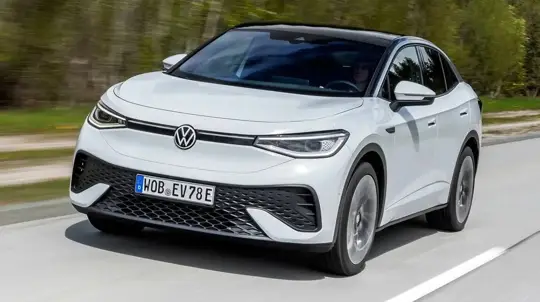
Volkswagen ID. Cross 2026: compact electric SUV with MEB+ platform
Volkswagen ID. Cross: affordable electric SUV for Europe
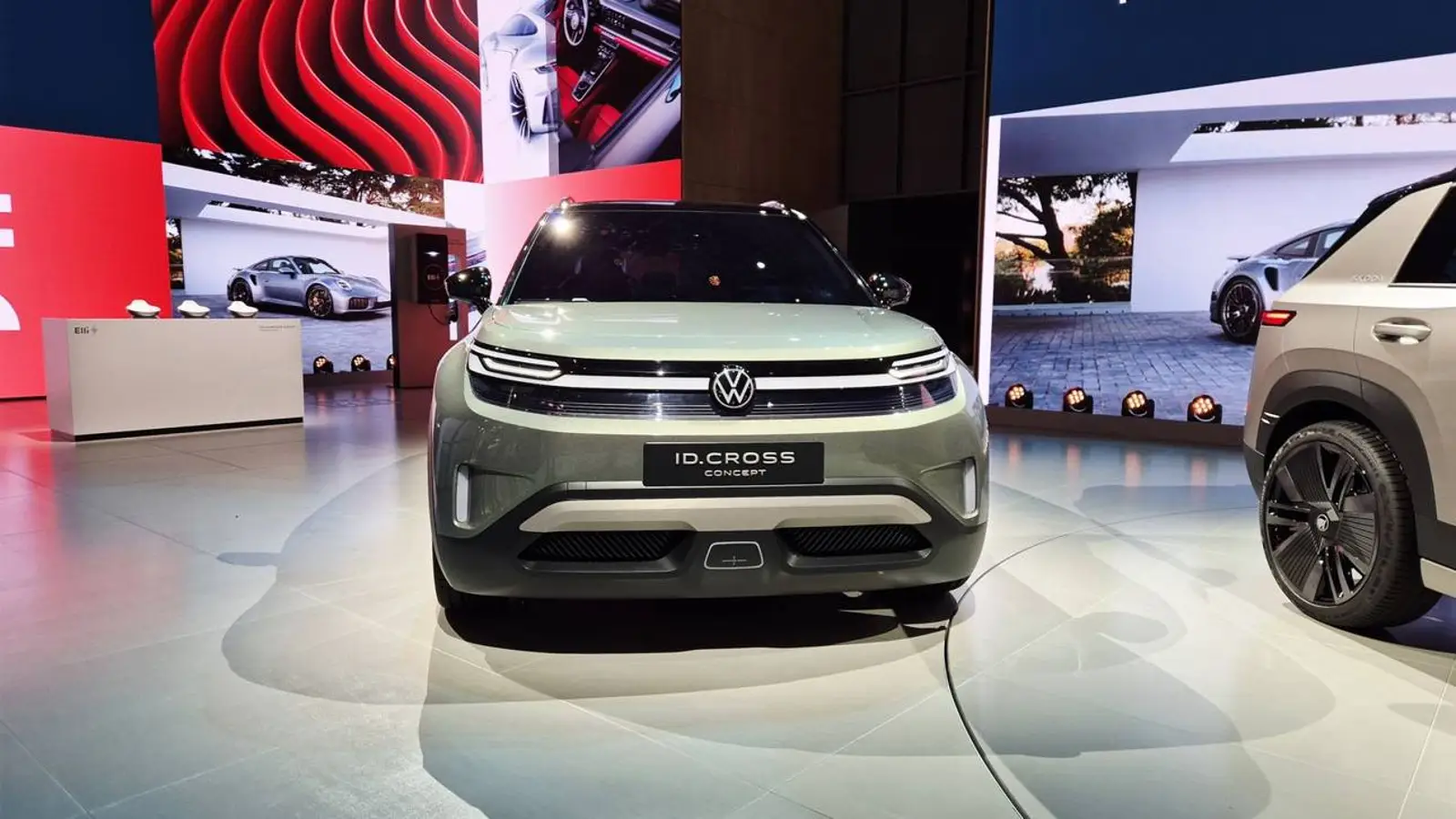
Volkswagen ID. Cross 2026: compact electric SUV with MEB+ platform
Volkswagen ID. Cross 2026: compact electric SUV on MEB+ platform, up to 420 km range, 90-130 kW fast charging. Built in Spain for European market.
2026-03-04T10:37:49+03:00
Volkswagen is gearing up for a busy 2026. Following the ID. Polo, the company will launch the compact SUV ID. Cross. Production will be based in Spain at the Landaben plant in Navarre, which will serve as an export hub for the entire European market.The ID. Cross is built on the new front-wheel-drive MEB+ platform. This platform will underpin several B-segment models: the Volkswagen ID. Polo, ID. Cross, CUPRA Raval, and Skoda Epiq. This strategy allows the group to create a full family of affordable electric vehicles with a high degree of component sharing.In terms of dimensions, the ID. Cross retains the concept car's specs: approximately 4.16 meters in length with a 2.60-meter wheelbase. It's positioned as a direct electric counterpart to the T-Cross, targeting the mass-market B-SUV segment where competitors like the Ford Puma Gen-E, Renault 4, and Chinese rivals such as the BYD Atto 2 already operate.The design adopts the new Pure Positive style, which is more restrained and classic compared to earlier ID models. A light strip connects the Matrix LED IQ.LIGHT headlights, the rear lights feature 3D graphics, and a 'floating' roof line adds a dynamic touch.Volkswagen will offer the model with two battery options: a 37 kWh LFP unit and a 52 kWh NCM pack. The larger battery is expected to deliver up to 420 km on the WLTP cycle. Fast-charging capabilities reach up to 90 kW for the base battery and 130 kW for the larger one, allowing a 10–80% charge in roughly 23 minutes.Despite its compact size, Volkswagen is emphasizing practicality. The boot offers 450 liters of space, which is above average for the segment. Additionally, there's a 38-liter storage compartment under the rear seats and a 25-liter front trunk for charging cables.Strategically, the ID. Cross is important not just as a new model but also as a test for the group's Spanish production capabilities. Moving the B-SUV segment to the MEB+ platform should reduce costs through the standardization of battery modules, power electronics, and front-wheel-drive components. If successful, these compact models could form the core of Volkswagen's European sales after 2027. In essence, the ID. Cross represents an attempt to reclaim the brand's position in the 'people's car' segment for the electric era, albeit against tougher competition from Chinese manufacturers.
Volkswagen ID. Cross, electric SUV, MEB+ platform, compact EV, affordable electric car, 2026 Volkswagen, ID. Cross specs, VW electric vehicle, European EV market, B-segment SUV
2026
Michael Powers
news
Volkswagen ID. Cross: affordable electric SUV for Europe
Volkswagen ID. Cross 2026: compact electric SUV on MEB+ platform, up to 420 km range, 90-130 kW fast charging. Built in Spain for European market.
Michael Powers, Editor
Volkswagen is gearing up for a busy 2026. Following the ID. Polo, the company will launch the compact SUV ID. Cross. Production will be based in Spain at the Landaben plant in Navarre, which will serve as an export hub for the entire European market.
The ID. Cross is built on the new front-wheel-drive MEB+ platform. This platform will underpin several B-segment models: the Volkswagen ID. Polo, ID. Cross, CUPRA Raval, and Skoda Epiq. This strategy allows the group to create a full family of affordable electric vehicles with a high degree of component sharing.
In terms of dimensions, the ID. Cross retains the concept car's specs: approximately 4.16 meters in length with a 2.60-meter wheelbase. It's positioned as a direct electric counterpart to the T-Cross, targeting the mass-market B-SUV segment where competitors like the Ford Puma Gen-E, Renault 4, and Chinese rivals such as the BYD Atto 2 already operate.
The design adopts the new Pure Positive style, which is more restrained and classic compared to earlier ID models. A light strip connects the Matrix LED IQ.LIGHT headlights, the rear lights feature 3D graphics, and a 'floating' roof line adds a dynamic touch.
Volkswagen will offer the model with two battery options: a 37 kWh LFP unit and a 52 kWh NCM pack. The larger battery is expected to deliver up to 420 km on the WLTP cycle. Fast-charging capabilities reach up to 90 kW for the base battery and 130 kW for the larger one, allowing a 10–80% charge in roughly 23 minutes.
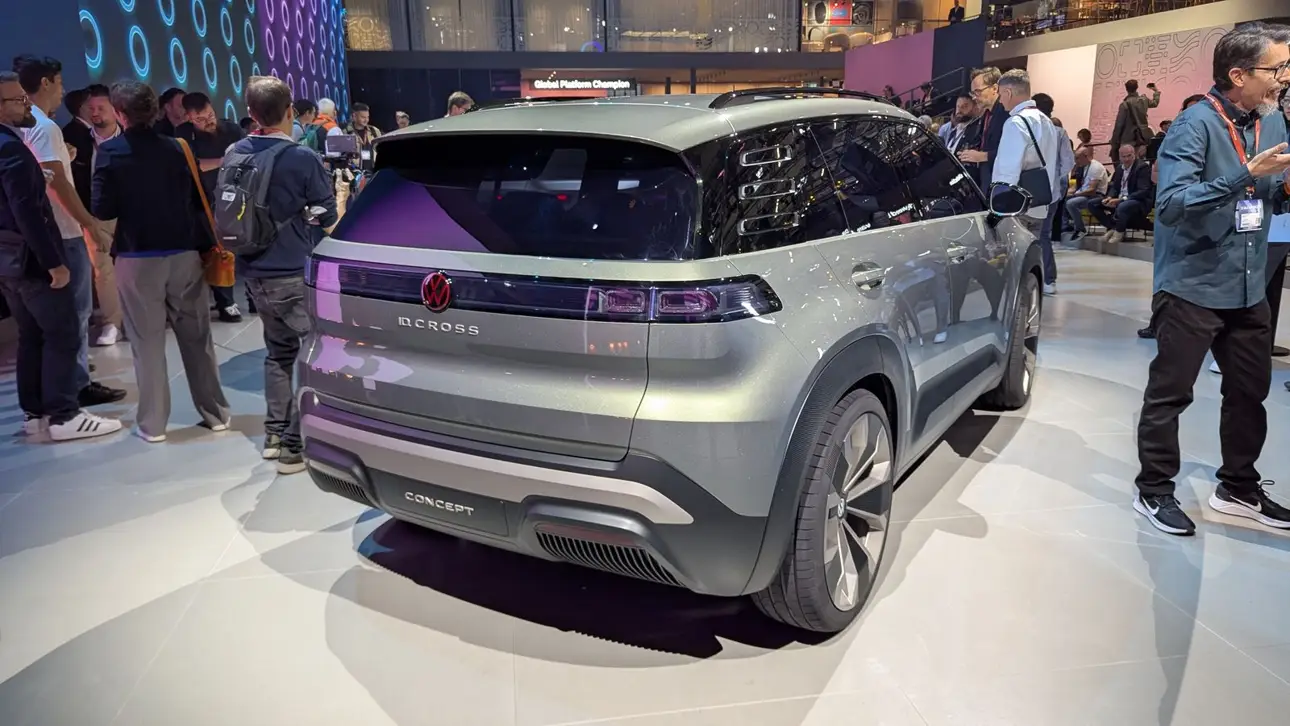
Despite its compact size, Volkswagen is emphasizing practicality. The boot offers 450 liters of space, which is above average for the segment. Additionally, there's a 38-liter storage compartment under the rear seats and a 25-liter front trunk for charging cables.
Strategically, the ID. Cross is important not just as a new model but also as a test for the group's Spanish production capabilities. Moving the B-SUV segment to the MEB+ platform should reduce costs through the standardization of battery modules, power electronics, and front-wheel-drive components. If successful, these compact models could form the core of Volkswagen's European sales after 2027. In essence, the ID. Cross represents an attempt to reclaim the brand's position in the 'people's car' segment for the electric era, albeit against tougher competition from Chinese manufacturers.