How long Tesla batteries last and how to extend their life
 © www.tesla.com
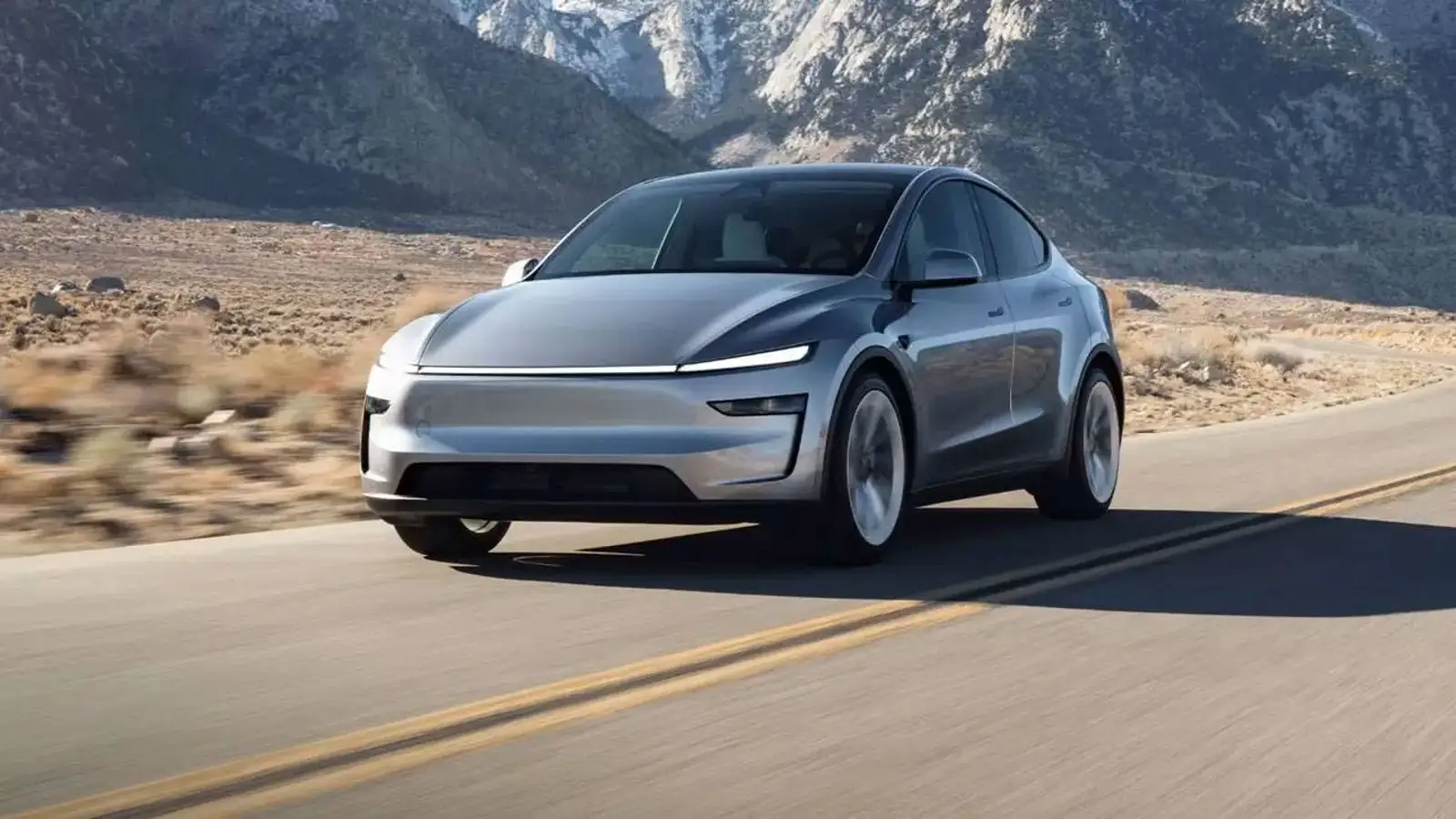
Tesla batteries last 300,000-500,000 miles, with real-world data showing minimal capacity loss. Learn about warranty, factors affecting lifespan, and care tips.
Author: Polina Kotikova
Tesla officially states that its automotive lithium-ion batteries have a lifespan of 300,000 to 500,000 miles, which is roughly equivalent to 480,000 to 800,000 kilometers. For drivers covering an average of 20,000 kilometers annually, this means the battery could last more than 20 years.
However, Tesla's battery warranty is limited by specific mileage thresholds. For the Model S and X, coverage applies to the first 150,000 miles (about 240,000 kilometers) or eight years of use, whichever comes first. Meanwhile, the warranty for Model 3 and Y varies by version, ranging from 100,000 to 120,000 miles (approximately 160,000 to 190,000 kilometers) or eight years.
Real-world data from Tesla owners who have logged high mileage shows that after around 200,000 miles (or roughly 320,000 kilometers), battery capacity loss typically averages just 12–15%. In practice, this means the vehicle retains about 85–88% of its original range even after such extensive use.
Experts point out factors that can shorten a Tesla battery's life. These include frequent use of Superchargers or other DC fast-charging stations. Additionally, deep discharges to minimal charge levels and operating the car in extremely high or low ambient temperatures can negatively impact battery longevity.
By following the manufacturer's battery care guidelines, most owners can realistically expect their vehicles to remain on the road for two decades or longer.
This English edition was prepared using AI translation under editorial oversight by SpeedMe. The original reporting is by Polina Kotikova
Latest Stories