BMW M postpones hydrogen sports car development
 © A. Krivonosov
BMW M postpones hydrogen sports car due to tech challenges, but plans iX5 Hydrogen for 2028. Learn about the hurdles and future of hydrogen vehicles.
Author: Polina Kotikova
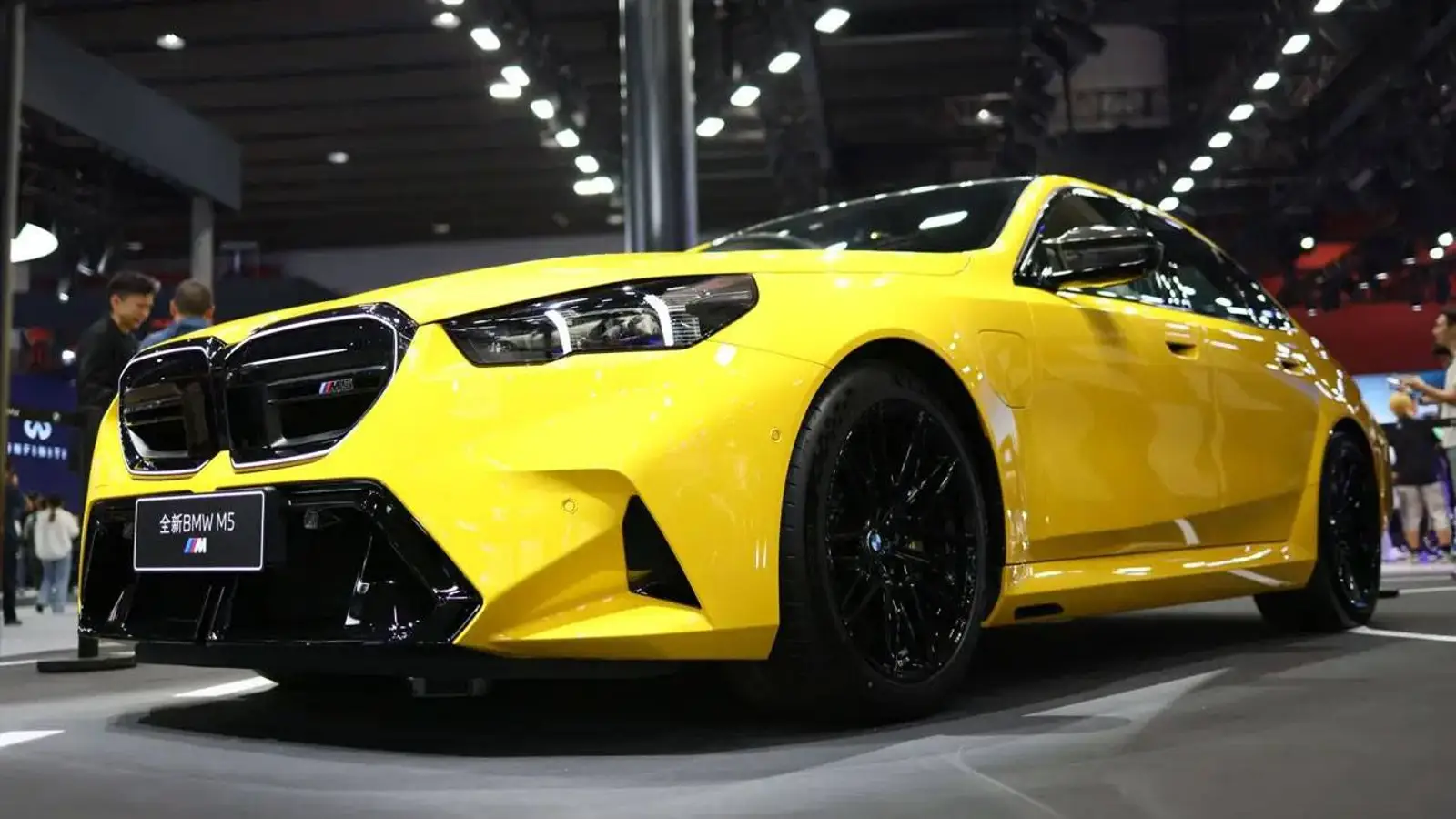
BMW M has officially announced that the development of a sports car with a hydrogen engine has been postponed indefinitely. The reason cited is significant technological challenges related to integrating the heavy and bulky fuel cell equipment.
According to BMW M's head Frank van Meel, when trying to achieve power levels comparable to conventional M-series models, the hydrogen vehicle's design becomes excessively large and heavy, essentially turning it into something resembling cargo transport.
Additionally, the company is facing problems with applying hydrogen technology in motorsports. While some competitors use direct hydrogen injection in internal combustion engines, BMW aims to use only pure hydrogen through fuel cells that provide zero carbon dioxide emissions. However, solving this task is complicated by the need to minimize system size, optimize cooling, and improve refueling efficiency.
Meanwhile, BMW continues to invest in hydrogen technology for regular road models. The launch of series production for the iX5 Hydrogen crossover was announced back in autumn 2025, equipped with the third version of fuel cells jointly developed with Toyota. Production of this new model will begin in 2028, making BMW the first major brand to offer a premium-class hydrogen vehicle to a broad audience.
This English edition was prepared using AI translation under editorial oversight by SpeedMe. The original reporting is by Polina Kotikova
Latest Stories