Horse Powertrain's new amorphous motor boosts hybrid efficiency
 © horse-powertrain.com
Horse Powertrain introduces the Amorphous Motor with 98.2% efficiency for hybrids, using ultra-thin steel to cut losses and reduce fuel consumption.
Author: Dmitry Novikov
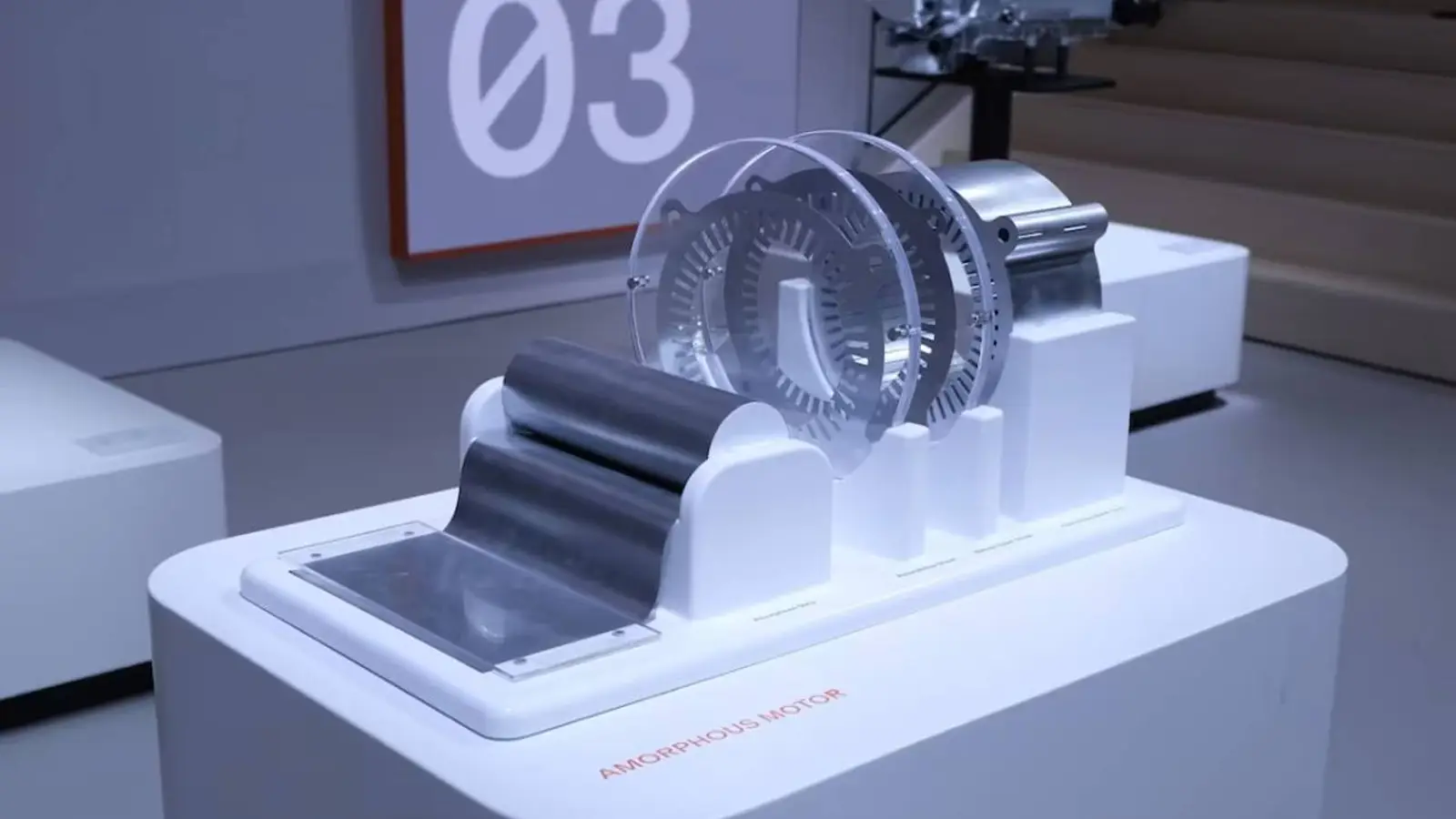
Horse Powertrain has unveiled a new hybrid electric motor called the Amorphous Motor, boasting a claimed efficiency of 98.2%. This development is aimed at hybrids, plug-in hybrids, and range-extended vehicles.
The key innovation lies in the use of ultra-thin amorphous steel in the stator. Instead of the standard 0.25 mm plates, sheets as thin as 0.025 mm are employed. This design cuts so-called "iron losses" by about half and reduces heat generation.
The motor delivers up to 188 horsepower. When integrated into a hybrid transmission, the manufacturer promises a roughly 1% reduction in combined fuel and energy consumption compared to traditional solutions. For an industry where hybrid powertrains are already nearing the efficiency ceiling, even a single percentage point is considered a significant achievement.
Horse's strategy focuses not on radically changing the architecture but on locally optimizing key components. Using amorphous steel represents an engineering approach to minimizing magnetic and thermal losses without a complete platform overhaul.
Against the backdrop of slowing electric vehicle market growth and sustained demand for hybrids, such solutions could extend the lifecycle of hybrid systems and enhance their competitiveness in terms of emissions and fuel economy.
This English edition was prepared using AI translation under editorial oversight by SpeedMe. The original reporting is by Dmitry Novikov
Latest Stories