Subaru's turbine generator for extended-range electric vehicles
 © Dasha Sysoeva
Subaru patents a compact turbine generator for EVs to boost range, acting as an EREV. Learn how it starts and controls power for enhanced reliability.
Author: Diana Degtyareva
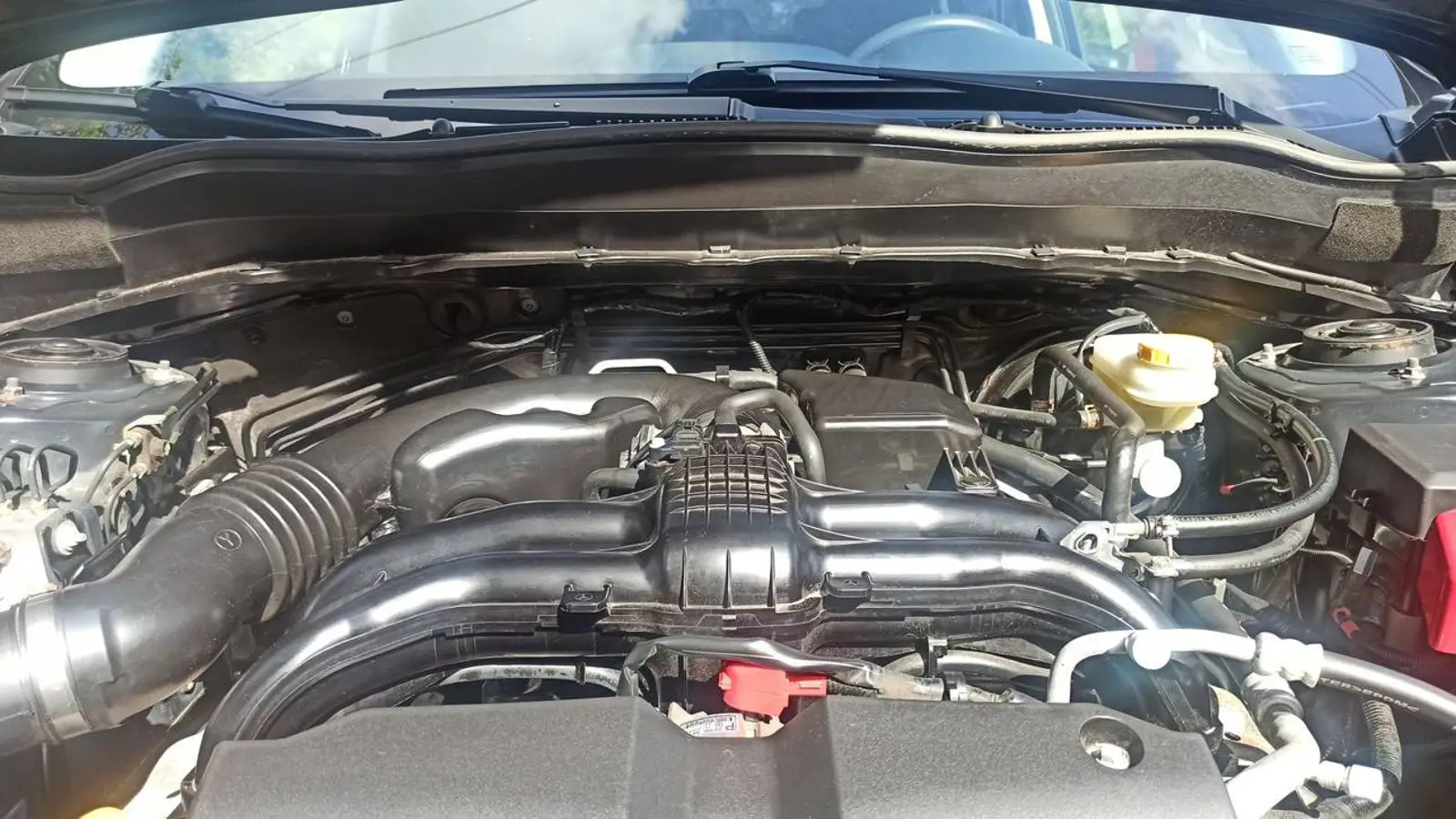
Subaru is continuing to develop an unusual idea for the automotive market: using a turbine in electric vehicles to extend their range. A new patent confirms the company is seeking engineering solutions for starting and controlling a compact turbine that functions as a generator.
Turbines are poorly suited for conventional cars due to high fuel consumption and low efficiency under variable loads. However, in a stationary generator mode, they can be more compact and operate more economically. Subaru views the turbine as an energy source for the high-voltage battery, effectively turning the model into an EREV (extended-range electric vehicle).
An earlier patent described a fast-start procedure using the HV battery: the traction motor spins up the generator, which in turn spins the turbine to operating speeds, similar to starting an internal combustion engine in hybrids. The new document explains what happens when the HV battery is depleted: the system lowers the target spin-up speed (for example, from 25,000 to 20,000 rpm) and initiates the turbine start via a 12-volt circuit, avoiding overloading the main battery.
Subaru aims to prevent a scenario where the vehicle cannot start the turbine due to a loss of power in the HV battery. This backup scheme provides a slower but functional start, ensuring safety and a guaranteed transition to power generation mode. This detail matters because it enhances the overall reliability of the EREV architecture.
This English edition was prepared using AI translation under editorial oversight by SpeedMe. The original reporting is by Diana Degtyareva
Latest Stories