Abarth reconsiders electrification strategy for gasoline models
 © media.stellantis.com
Abarth may reintroduce gasoline engines after poor electric vehicle sales, exploring a sporty Panda version. Learn about the brand's strategy shift.
Author: Diana Degtyareva
The Italian brand Abarth is reconsidering its electrification strategy and may once again offer vehicles with gasoline engines. This comes after weak sales of electric models, which currently form the backbone of the brand's European lineup.
Abarth currently offers only two models: sporty versions of the Fiat 500 and the 600 crossover, both fully electric. However, demand has fallen short of expectations. In the UK last year, the brand sold just 291 cars, whereas in 2024, when the gasoline-powered Abarth 595 was still on sale, over a thousand units were sold.
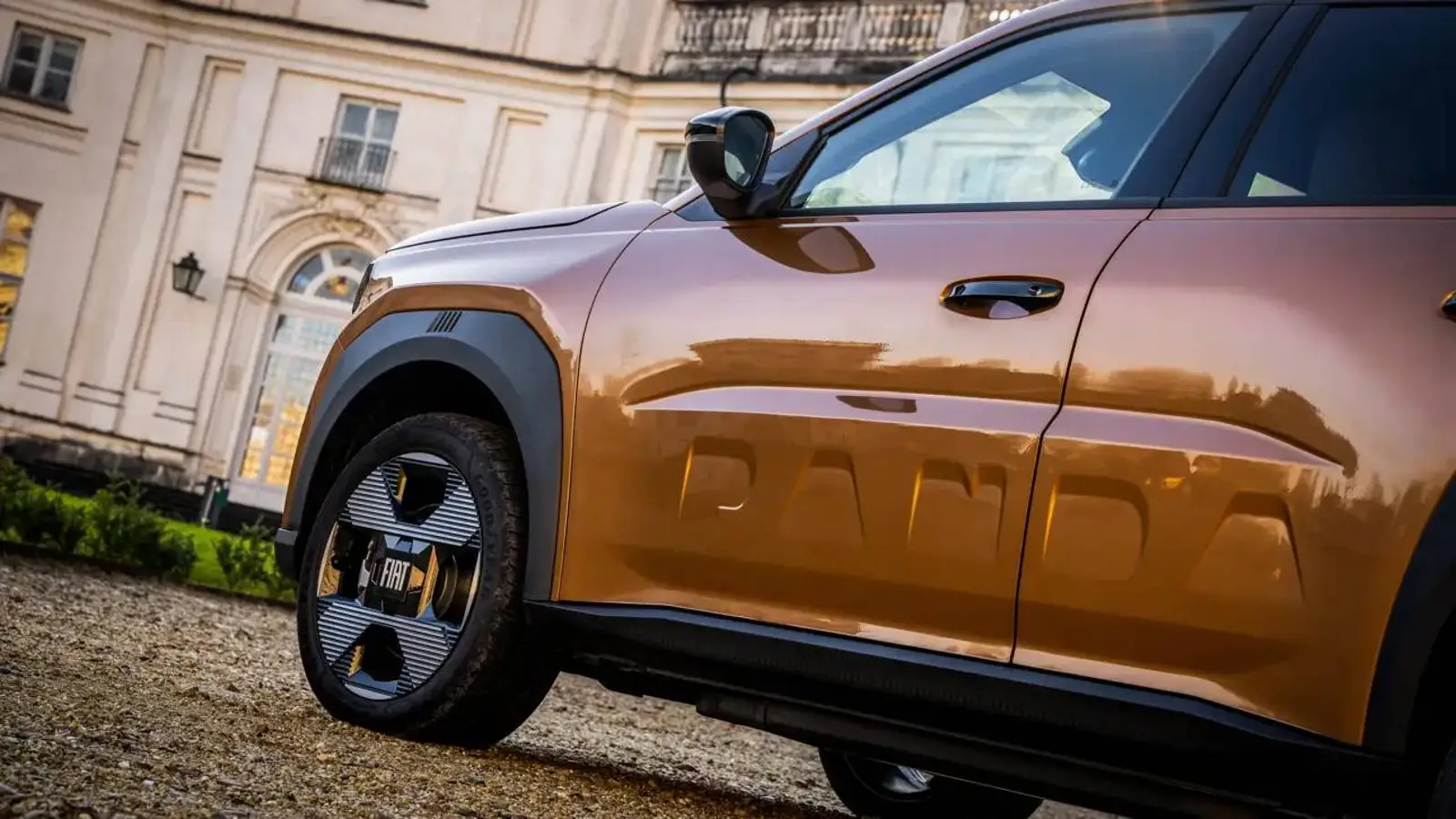
Against this backdrop, the company is exploring the possibility of a performance version of the new Fiat Grande Panda. This model is built on the Stellantis Smart Car platform and is already available with gasoline, hybrid, and electric powertrains depending on the market.
According to Autocar, the company is internally developing a concept for a sporty Panda from Abarth, though the project has not yet received final approval. Gaetano Thorel, head of Abarth and Fiat Europe, confirmed that the brand plans to leverage its sporting heritage for new models, but specific details remain undisclosed.
The technical specifications of the future version are also unknown. However, the Smart Car architecture shares similarities with the STLA Small platform, which is used for new compact Stellantis models and can support more powerful powertrains.
Abarth's leadership also acknowledges that brand enthusiasts value not just power, but also the emotional aspects—engine sound and mechanical interaction with the vehicle. This is why the company is exploring a potential return to traditional gasoline engines, provided it can maintain the brand's characteristic DNA.
This English edition was prepared using AI translation under editorial oversight by SpeedMe. The original reporting is by Diana Degtyareva
Latest Stories