Jeep adapts to customer preferences with multiple powertrain options
 © A. Krivonosov для SPEEDME.RU
Jeep focuses on flexibility in Europe, offering hybrids and EVs like the new Compass, while adjusting its lineup for market changes. Learn about their strategy.
Author: Daria Kashirina
Jeep is rethinking its approach to model development in Europe, focusing not just on electric vehicles but also on flexibility in powertrain choices. According to Luigi Saya, the brand's head in Germany, the key factor isn't technology but customer preferences. 2025 has been a transitional year for the brand due to the generational change of the key model, the Jeep Compass.
The delay in the new model's launch led to a temporary dip in availability, but the dealer network managed to offset this with a 16% sales increase. Meanwhile, Jeep's share of electric vehicles in Germany remains low at just 3.8%, significantly below the market average. The company explains this not as weak interest in EVs but as strategy: electric versions are being promoted without aggressive pressure on buyers.
The new Compass will be available with multiple powertrain types, from hybrids to fully electric versions. This approach allows the brand to adapt to changing market conditions and customer expectations.
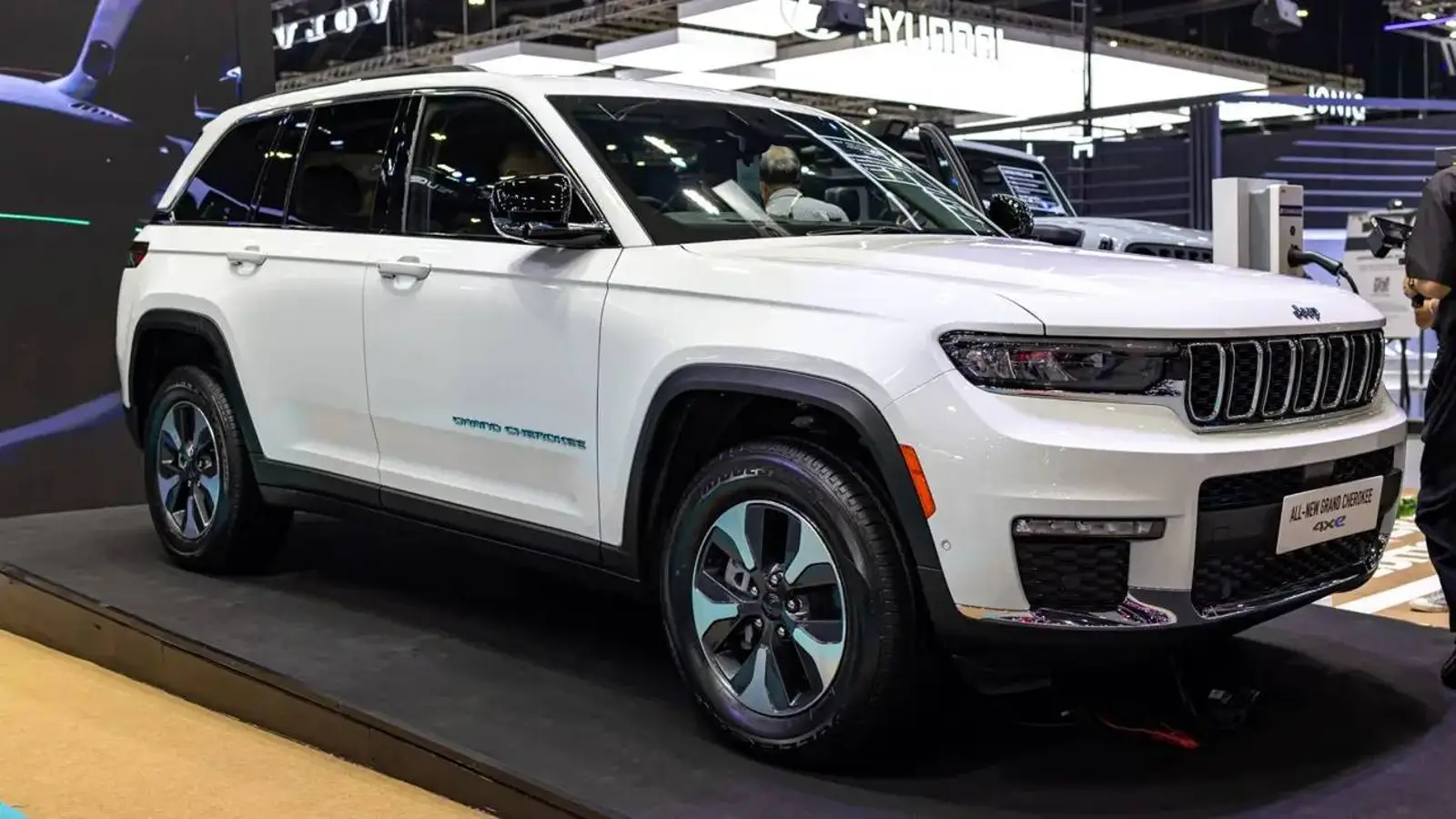
At the same time, Jeep is refreshing its European lineup: the iconic Wrangler and Grand Cherokee are leaving the market due to strict environmental regulations, making way for new electric models—the Wagoneer S and Recon.
Jeep is acting pragmatically: the market is currently too unstable to bet on just one type of engine. The brands that will succeed are those that can offer choice, not impose it.
This English edition was prepared using AI translation under editorial oversight by SpeedMe. The original reporting is by Daria Kashirina
Latest Stories