Renault 5 EV recall due to battery defect affects Renault 4
Renault 5 and 4 recall for battery safety issues in 2026
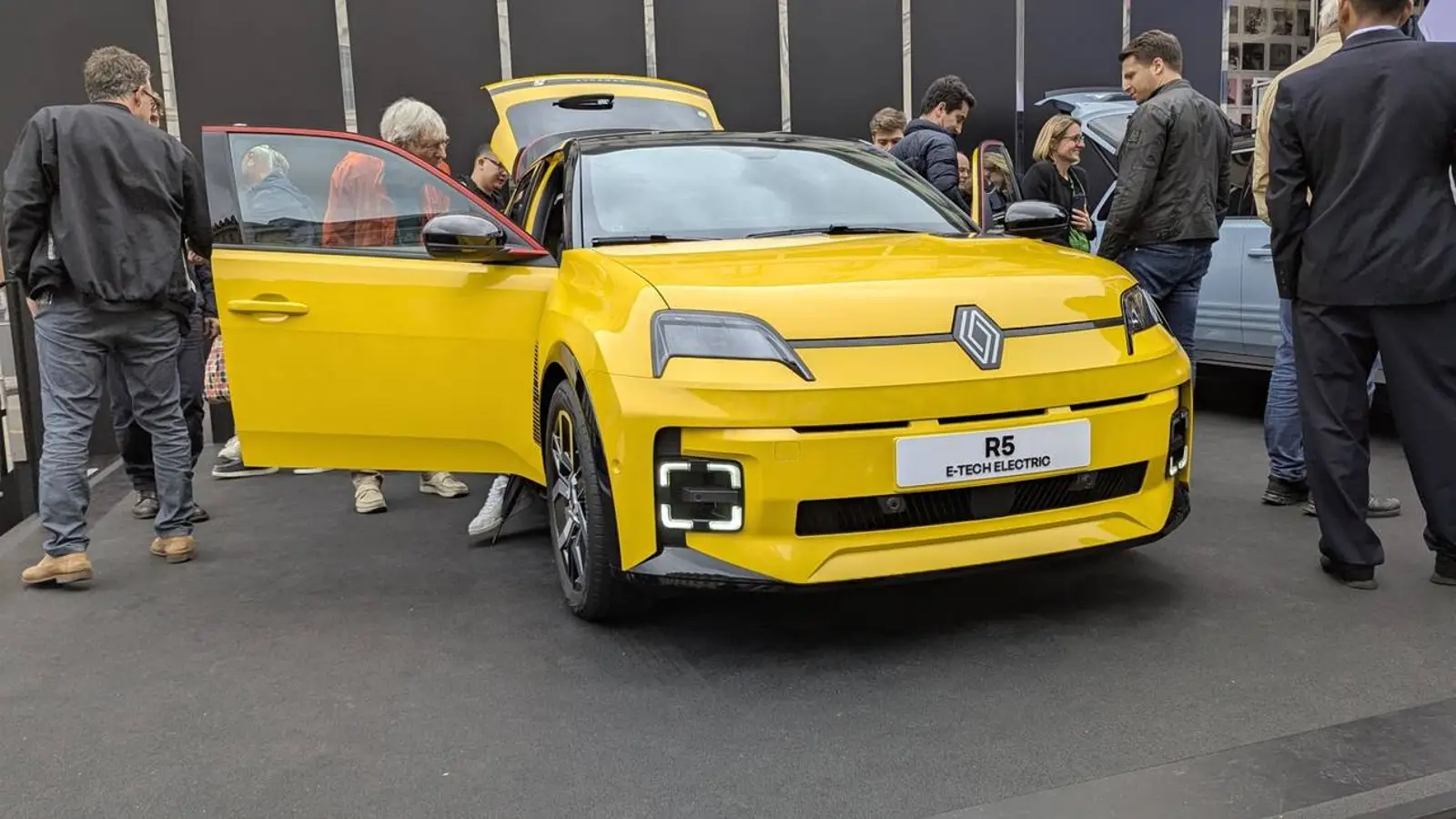
Renault 5 EV recall due to battery defect affects Renault 4
Renault recalls its key electric vehicles, the Renault 5 and 4, due to a manufacturing defect in battery cells, posing risks like reduced range and fire hazards. Learn about the EU compliance issue and market impact.
2026-03-18T23:45:21+03:00
Renault has suffered a serious blow to its reputation, with its key electric vehicle, the Renault 5, being recalled. The issue also affects the Renault 4, making the situation even more sensitive for the 2026 auto segment.The cause lies in a manufacturing defect in the battery cells. According to European regulators, anode delamination is possible, which involves internal structural damage to the battery. This could lead to reduced range and charging failure, or more dangerously, short circuits, overheating, and potential fire risk.Renault has already launched a service campaign that began on March 10, 2026. Vehicles will be inspected at service centers and repaired if necessary. The exact number of affected cars hasn't been disclosed, but the intervention itself highlights the seriousness of the problem and its non-compliance with EU standards.This situation is particularly sensitive given the Renault 5's role as a mass-market electric vehicle for Europe. Against the backdrop of competition with models from Hyundai, Volkswagen, and Tesla, such incidents directly impact consumer trust in electric vehicles.From my perspective, stories like these become a critical factor in choosing which car to buy in the coming years. Even one defect can shift brand perception more powerfully than dozens of successful tests.Ultimately, the Renault 5 recall isn't just a technical issue but a market signal: the battle for the best passenger car in the electrification era isn't just about price and range, but also the reliability of key components.
Renault 5 recall, Renault 4 recall, electric vehicle battery defect, EV safety, Renault recall 2026, battery cell issue, EU standards, automotive recall, electric car reliability, mass-market EV
2026
Michael Powers
news
Renault 5 and 4 recall for battery safety issues in 2026
Renault recalls its key electric vehicles, the Renault 5 and 4, due to a manufacturing defect in battery cells, posing risks like reduced range and fire hazards. Learn about the EU compliance issue and market impact.
Michael Powers, Editor
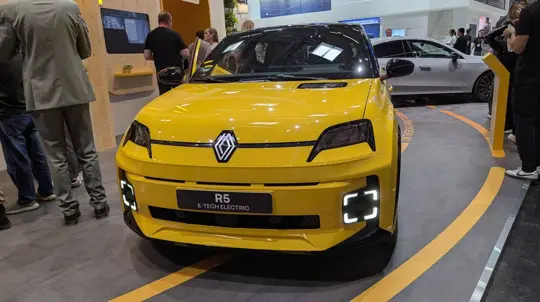
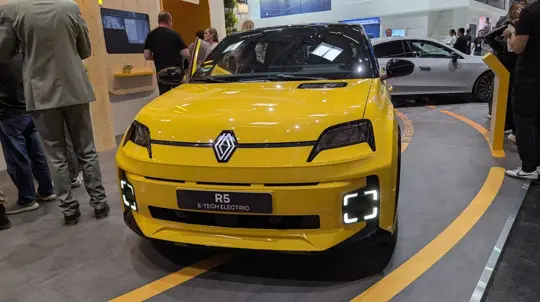
Renault has suffered a serious blow to its reputation, with its key electric vehicle, the Renault 5, being recalled. The issue also affects the Renault 4, making the situation even more sensitive for the 2026 auto segment.
The cause lies in a manufacturing defect in the battery cells. According to European regulators, anode delamination is possible, which involves internal structural damage to the battery. This could lead to reduced range and charging failure, or more dangerously, short circuits, overheating, and potential fire risk.
Renault has already launched a service campaign that began on March 10, 2026. Vehicles will be inspected at service centers and repaired if necessary. The exact number of affected cars hasn't been disclosed, but the intervention itself highlights the seriousness of the problem and its non-compliance with EU standards.
This situation is particularly sensitive given the Renault 5's role as a mass-market electric vehicle for Europe. Against the backdrop of competition with models from Hyundai, Volkswagen, and Tesla, such incidents directly impact consumer trust in electric vehicles.
From my perspective, stories like these become a critical factor in choosing which car to buy in the coming years. Even one defect can shift brand perception more powerfully than dozens of successful tests.
Ultimately, the Renault 5 recall isn't just a technical issue but a market signal: the battle for the best passenger car in the electrification era isn't just about price and range, but also the reliability of key components.