Electric vehicle battery study shows slow degradation, boosts used EV appeal
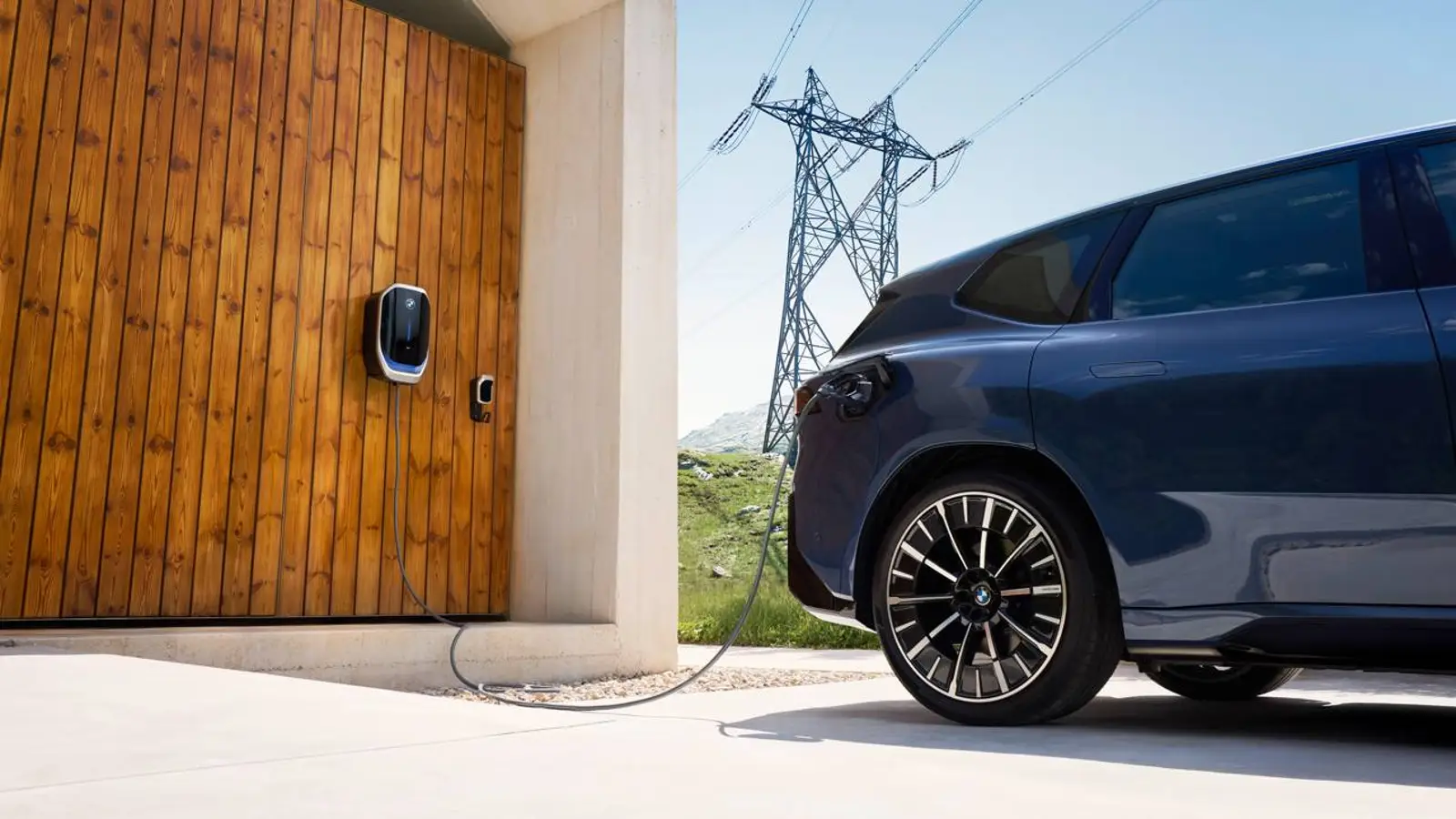 © press.bmwgroup.com
Study by TÜV Nord and Carly on 50,000 EVs reveals batteries lose only 1% capacity per year, with Kia and Hyundai leading retention. Learn how SoH impacts used EV value.
Author: Yulia Ivanchik
German organization TÜV Nord, in collaboration with Carly, has conducted a study on electric vehicle batteries, analyzing data from 50,000 vehicles of various brands and model years since 2015. The results reveal that battery degradation occurs more slowly than anticipated. On average, batteries lose about 1% of their capacity per year, and even after more than a decade, they remain functional above the guaranteed level.
Kia and Hyundai lead in capacity retention, with their vehicles retaining around 93% of their original capacity after up to nine years of use. Mercedes and Smart, as well as BMW and Mini, also demonstrated strong performance, where even older models maintain over 80% capacity.
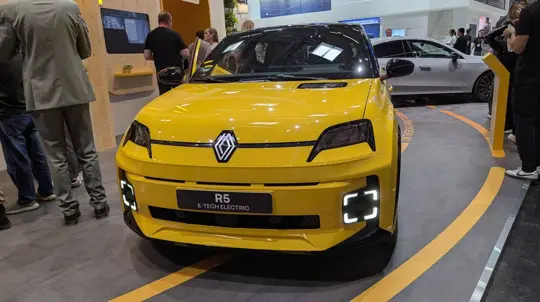
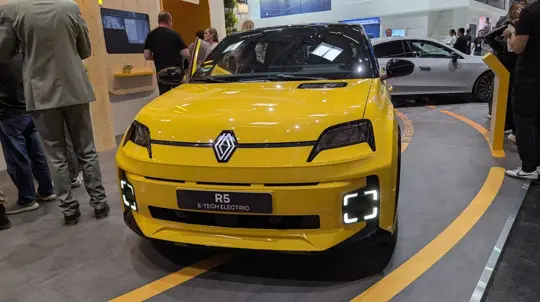
More noticeable degradation was observed in Tesla and Renault on older 2015 models, with residual capacities of about 77.6% and 72.5%, respectively. However, these figures still exceed the minimum warranty threshold.
The study also highlights that the battery's state of health (SoH) has become a key parameter in evaluating used EVs, serving as an analog to mileage in internal combustion engine vehicles. TÜV has introduced a battery diagnostic service that allows for a quick check of battery condition before purchase.
Overall, the findings confirm that the most economical electric vehicles retain battery life longer than previously thought, enhancing their appeal in the used car market.
This English edition was prepared using AI translation under editorial oversight by SpeedMe. The original reporting is by Yulia Ivanchik
Latest Stories