Ford's driver behavior recognition system for autonomous driving safety
 © B. Naumkin
Ford's patent uses AI and sensors to detect when drivers try to deceive autonomous systems, enhancing safety with warnings and promoting hands-on-wheel control.
Author: Polina Kotikova
Ford Motor has filed a patent application for a driver behavior recognition system designed for autonomous driving, which could be integrated into the company's future vehicles. This new system aims to detect attempts by drivers to deceive autonomous vehicle control systems.
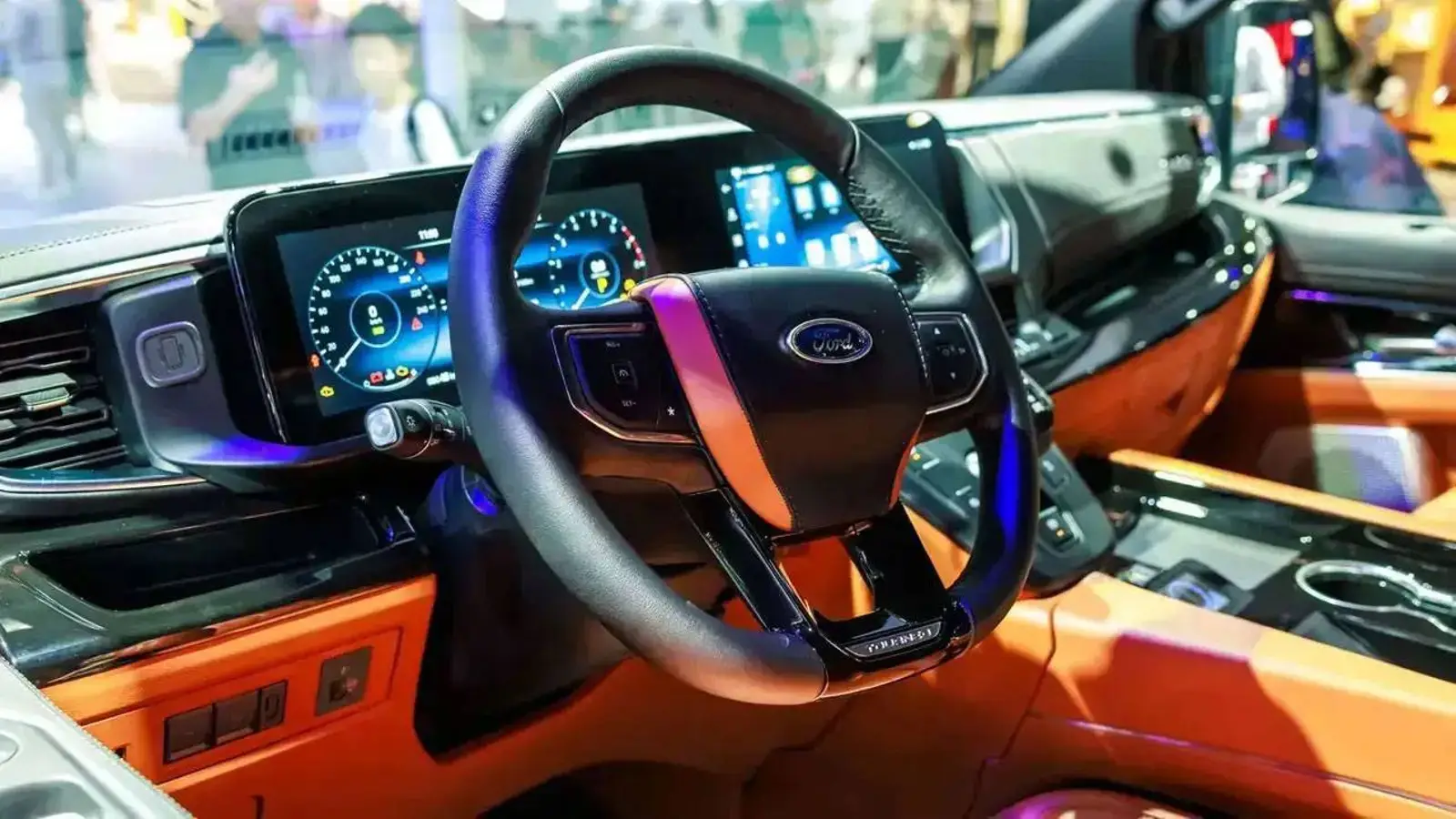
The patent outlines an innovative technology that uses built-in sensors and artificial intelligence to precisely determine the placement of a driver's hands on the steering wheel. This system will be capable of identifying situations where a driver tries to simulate hands-on-wheel presence—an action that could pose a safety risk, especially during partial autonomous driving modes.
If sensors detect that hands are actually off the wheel while the driver makes efforts to create the illusion of hands-on presence, the system activates immediately. It then issues visual and audible warnings to alert the driver about the deception attempt and strongly recommends promptly returning both hands to the steering wheel.
This approach will enhance road safety by minimizing accident risks associated with insufficient driver control over the vehicle during autopilot or driving assistance functions.
This English edition was prepared using AI translation under editorial oversight by SpeedMe. The original reporting is by Polina Kotikova
Latest Stories