Cupra postpones U.S. expansion and adjusts vehicle strategy
 © B. Naumkin
Cupra has temporarily halted its U.S. market entry due to global instability and is reconsidering its powertrain focus, including hybrid options.
Author: Diana Degtyareva
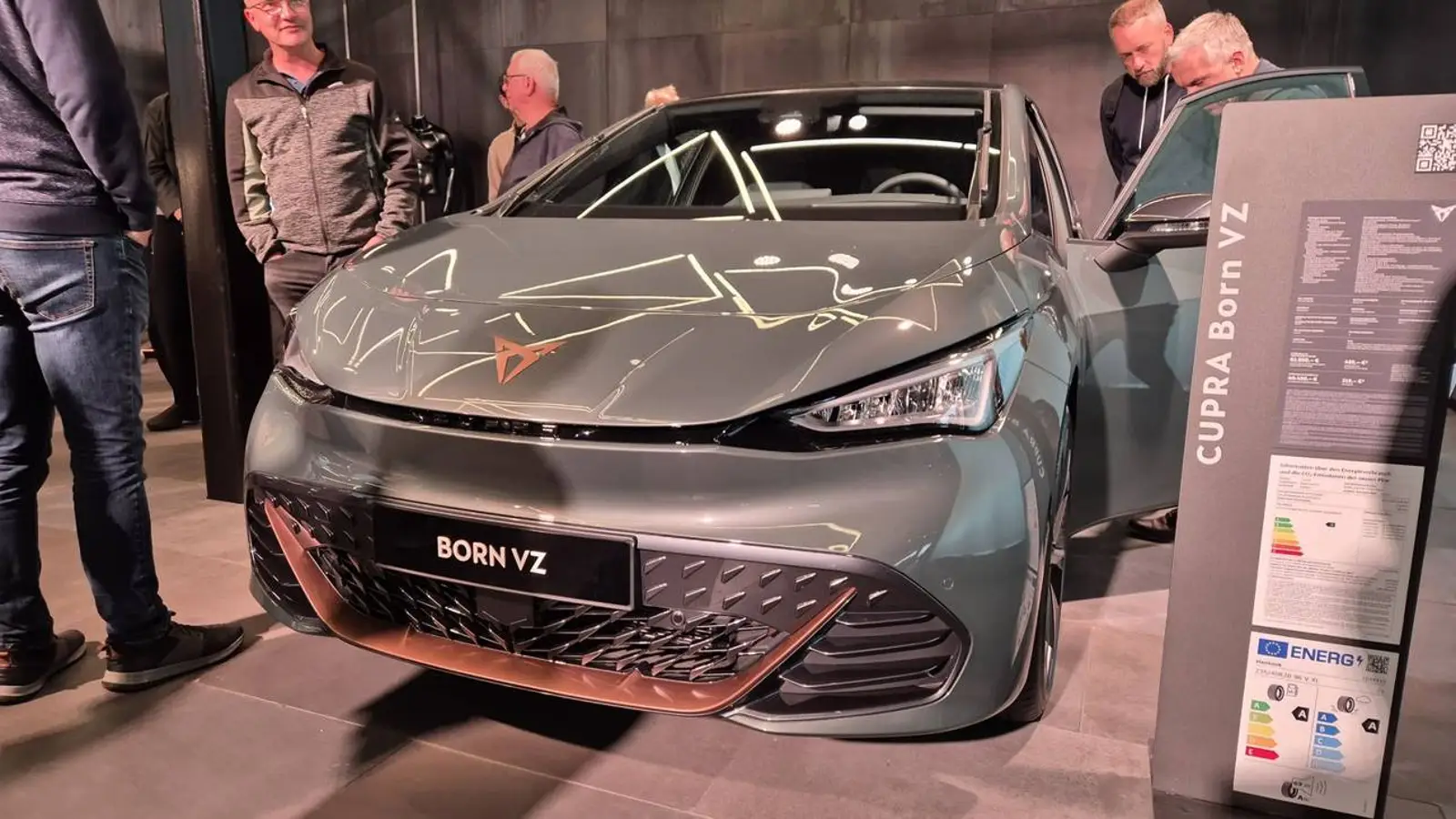
Cupra has adjusted its development strategy and temporarily postponed its entry into the U.S. market. This is not a cancellation of the project, but the timeline is now uncertain.
Why Cupra halted its expansion
The decision is linked to an unstable global market situation, including tariff restrictions and geopolitical risks. Brand leadership believes the current moment is unsuitable for major investments.
Changes in the automotive industry have also played a role. The U.S. market remains attractive but requires more precise calculation and stable conditions.
Plans for the U.S. market remain
Cupra originally planned to start sales in North America by the end of the decade. For this, it even considered cooperation with the Penske Automotive Group dealer network.
Now the brand is not abandoning these plans but merely pausing. The company is waiting for a more predictable economic and trade situation.
Possible production in the U.S.
One key scenario remains localizing production. Cupra is considering the possibility of manufacturing vehicles in the United States to avoid import duties.
Options include using partner facilities or building its own plant. This would allow the brand to respond flexibly to market changes and reduce risks.
Strategy and powertrain changes
Simultaneously, Cupra is revising its product strategy. While the focus was previously on a full transition to electric vehicles, the company is now betting on hybrids again.
This decision reflects current market trends. The brand intends to offer a wider choice of powertrains to adapt to demand in different regions.
In the end, Cupra is not giving up on the U.S. but proceeding more cautiously. Market entry will occur later—when conditions become more stable and predictable.
This English edition was prepared using AI translation under editorial oversight by SpeedMe. The original reporting is by Diana Degtyareva
Latest Stories