Mercedes-Benz updates electric G-Class EQ to boost sales
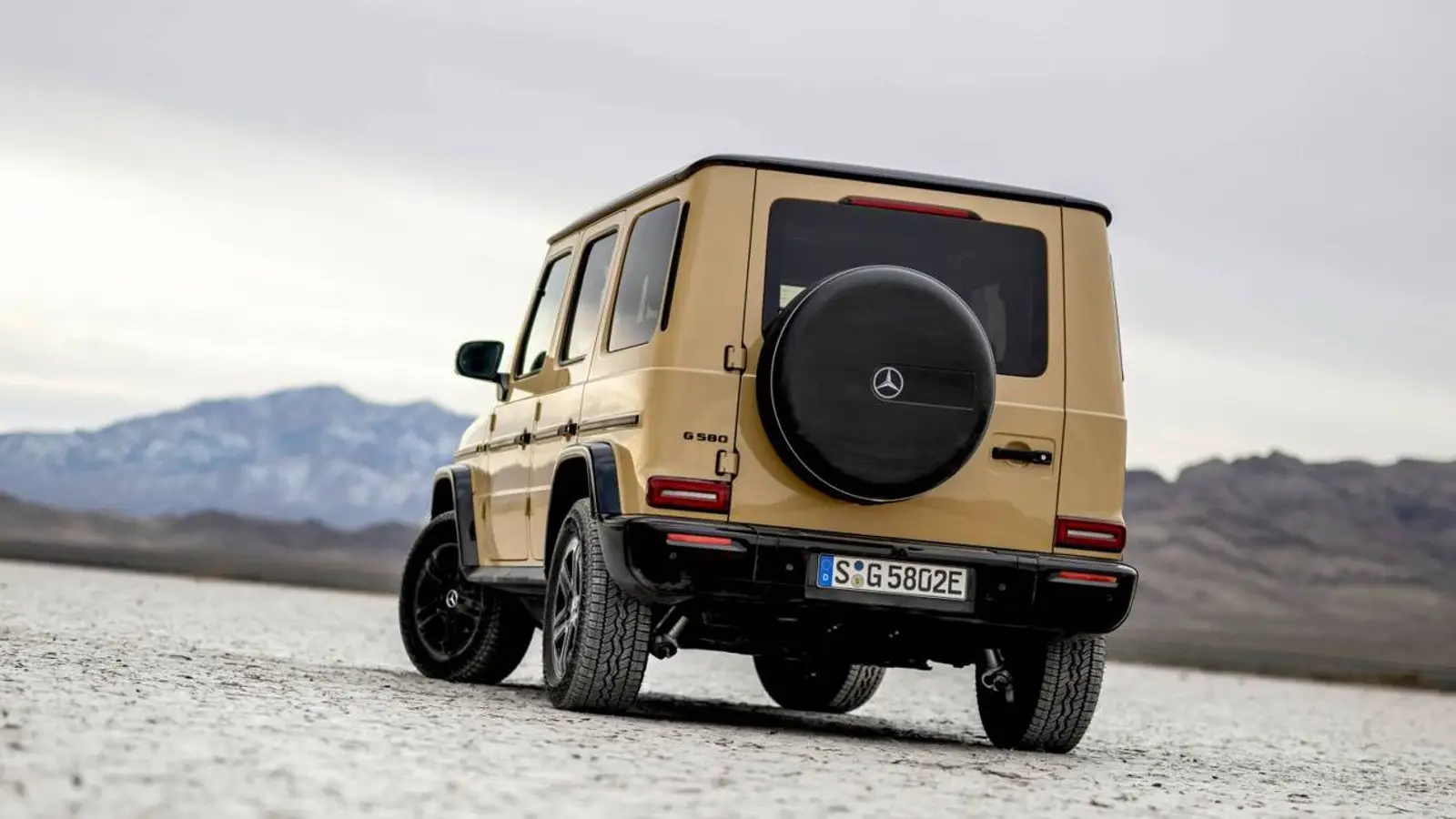 © mercedes-benz.com
Mercedes-Benz has refined the electric G-Class EQ after weak demand, with updates including increased battery capacity and faster charging. Learn about the changes and market challenges.
Author: Diana Degtyareva
Mercedes-Benz has refined the electric G-Class EQ after weak demand. Despite a high-profile launch, customers continue to prefer the classic gasoline version.
Where Sales Issues Emerged
The model's primary market is Europe, where the electric G-Class has shown disappointing results. In Germany, for instance, it accounts for only about 13% of all G-Class sales.
Against this backdrop, other electric vehicles from the brand, such as the CLA EQ and GLC EQ, are performing significantly better thanks to their longer range and faster charging capabilities.
What Changed in the Updated Version
The update for the 2026 model year is relatively minor. Battery capacity has been increased from 116 to 117 kWh, boosting the WLTP range to 479 km.
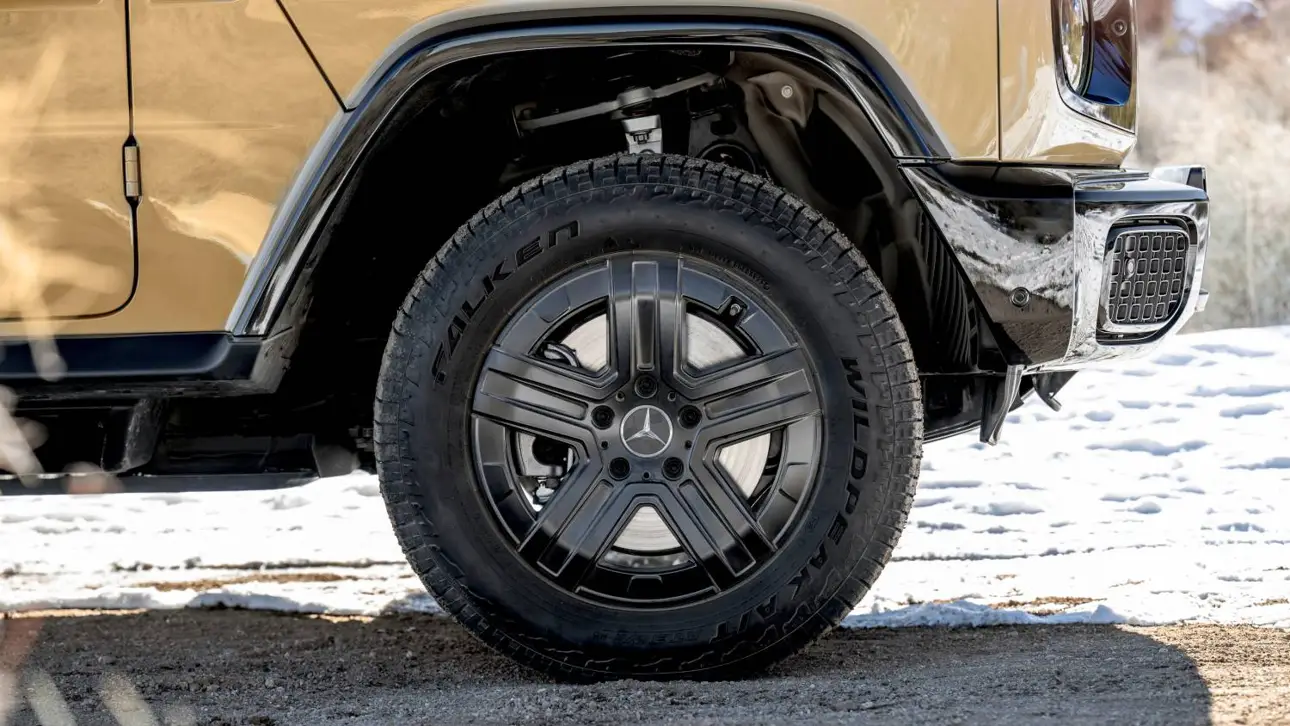
Charging speed has also improved: power output now reaches 210 kW, and charging time from 10% to 80% has been reduced to 29 minutes. An optional 22 kW onboard charger is now available as well.
Visually, the model has moved closer to the classic G-Class, with the traditional grille returning in place of the previous black front panel.
Why This May Not Be Enough
The powertrain remains unchanged, delivering 587 horsepower and a 0-100 km/h sprint in 4.7 seconds. However, the main issue isn't performance but the overall balance of features. With its high price and moderate range, the electric G-Class falls short compared to rivals and even other Mercedes models. This is precisely why the brand is already preparing a more comprehensive update.
Conclusion
The current refresh is essentially an attempt to buy time. Without transitioning to an 800-volt architecture and extending the range to 600 km, the model is unlikely to significantly improve its market position.
This English edition was prepared using AI translation under editorial oversight by SpeedMe. The original reporting is by Diana Degtyareva
Latest Stories