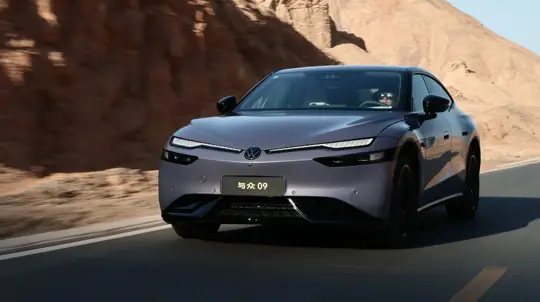
Volkswagen's new hybrid SUVs for the US market
 © volkswagen-newsroom.com
Volkswagen confirms three hybrid SUVs: Atlas, Tiguan, and Atlas Cross Sport. Learn about the strategy, launch timeline, and lineup expansion for 2026 and beyond.
Author: Diana Degtyareva
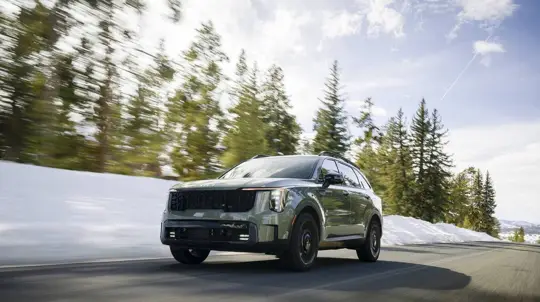
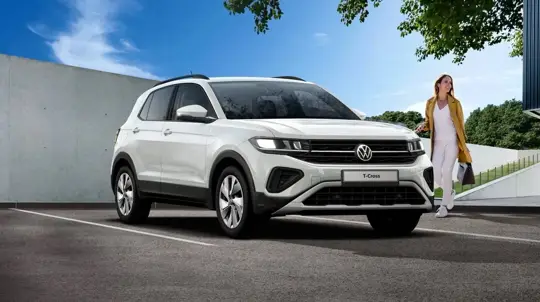
Volkswagen is gradually adjusting its strategy, placing bets not only on electric vehicles but also on hybrid technology. The company has officially confirmed the development of three hybrid SUVs: the Atlas, Tiguan, and Atlas Cross Sport.
Three Hybrids in the Lineup
The head of Volkswagen of America stated that the new hybrid system will appear in three models simultaneously. These will be conventional hybrids, not plug-in versions, which reflects low demand for PHEVs and their high cost.
This move allows the brand to create a balanced lineup: gasoline versions, hybrids, and electric vehicles. It's an important step for the market in 2026 and beyond, where versatility is becoming a key factor.
Atlas Cross Sport and Lineup Expansion
In addition to hybrids, Volkswagen has confirmed a new generation of the Atlas Cross Sport. The model will retain its two-row layout and coupe-like silhouette while becoming part of the brand's updated strategy.
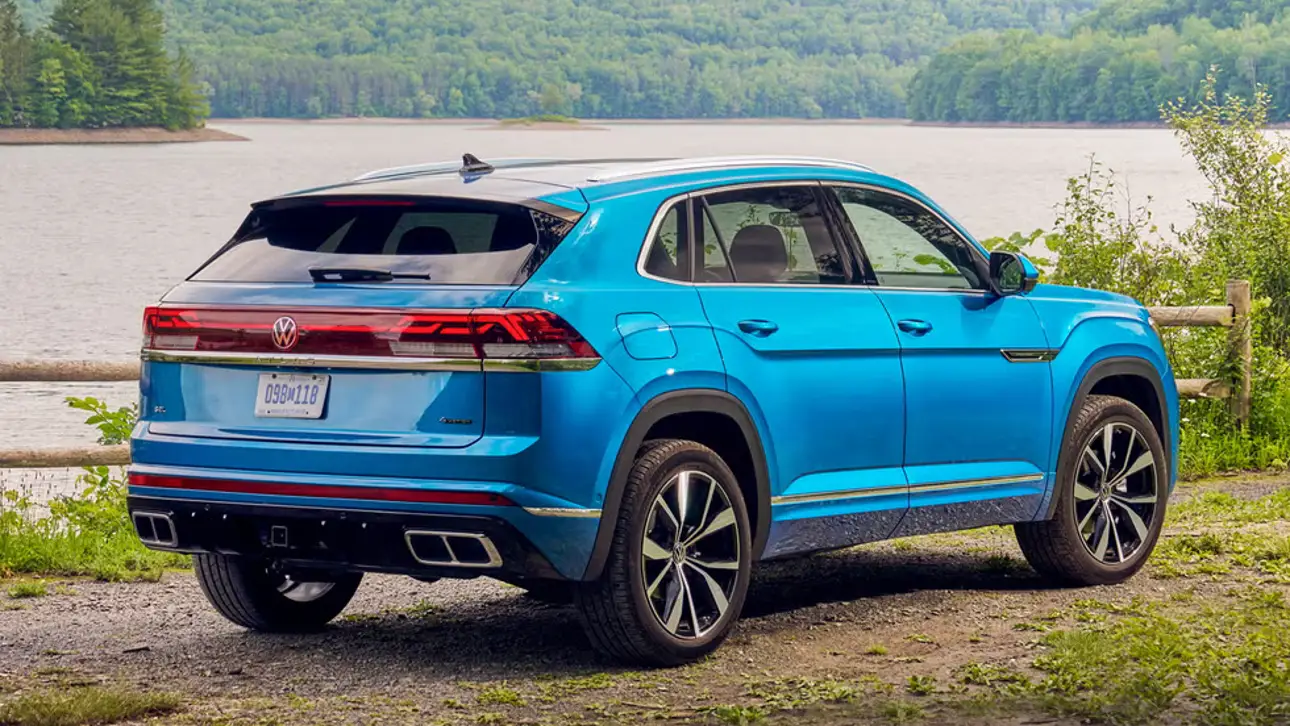
Atlas family sales already exceed 100,000 vehicles per year, making lineup expansion a logical move. For buyers, this broadens choices in a segment where the question of which vehicle to buy increasingly comes down to a choice between a conventional SUV and a more stylish version.
Why Hybrids Are Arriving Later
The hybrid launch is planned for closer to the end of the decade, around 2029. The reason is the need to develop a powertrain specifically for the U.S. market and localize production.
This indicates Volkswagen is making a long-term commitment rather than rushing to market. In a competitive landscape against Toyota and Hyundai, this could prove to be a crucial factor.
Overall, Volkswagen's strategy demonstrates that the market isn't moving strictly toward electric vehicles. Hybrids are emerging as a compromise solution.
This English edition was prepared using AI translation under editorial oversight by SpeedMe. The original reporting is by Diana Degtyareva
Latest Stories