Toyota Tundra vs Ford F-150 in IIHS crash tests: which full-size pickup is safer in 2026
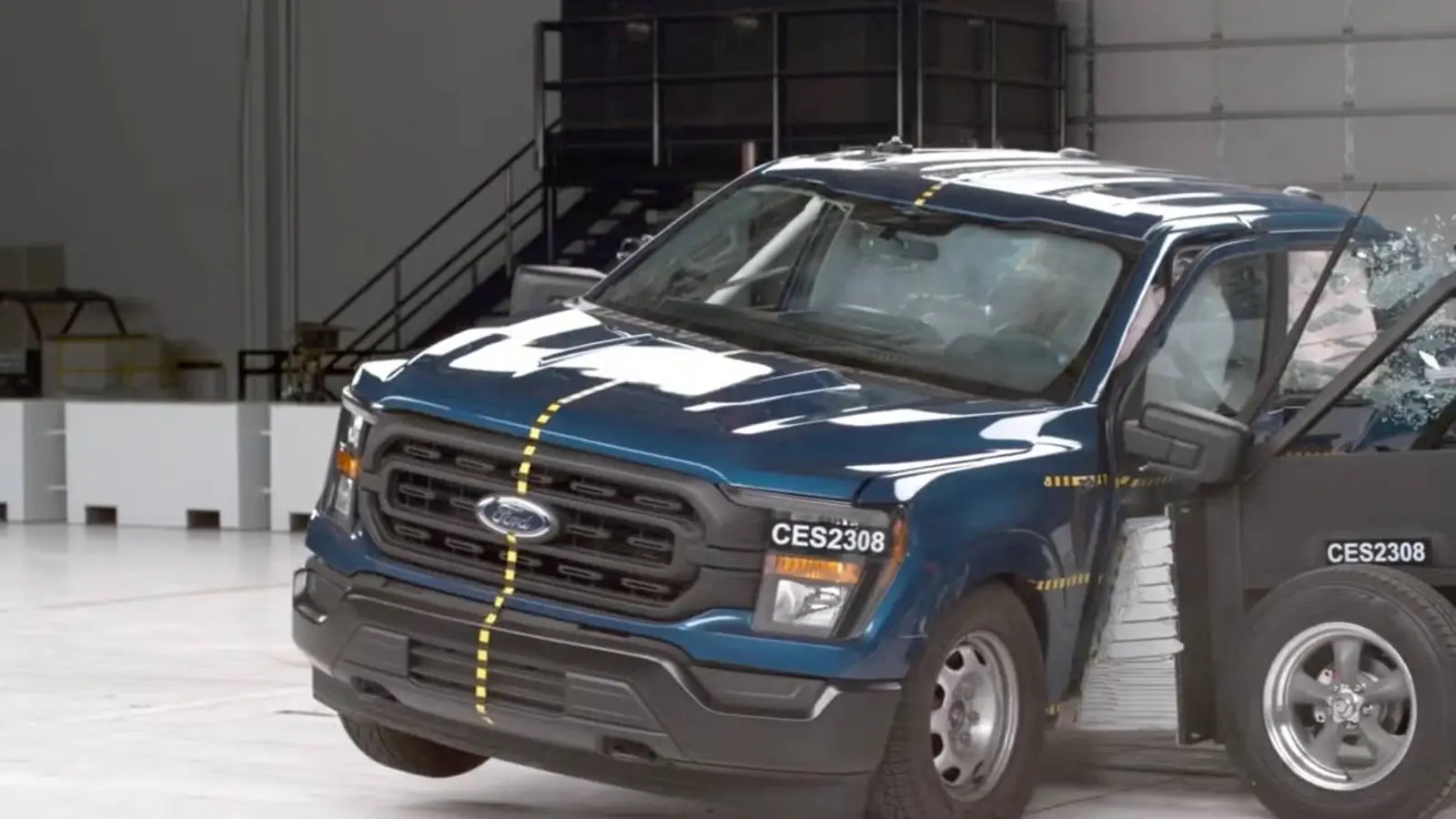 © Скриншот Youtube
In fresh IIHS tests Ford F-150 picks up two Poor ratings, while Toyota Tundra avoids any failing scores and lands the only Top Safety Pick among petrol full-size pickups.
Author: Polina Kotikova
Ford F-150 remains America's best-selling pickup, but in the latest IIHS safety tests it was beaten by Toyota Tundra. The gap turned out to be more than symbolic: the Ford collected two weak Poor ratings, while the Tundra avoided any failing scores at all.
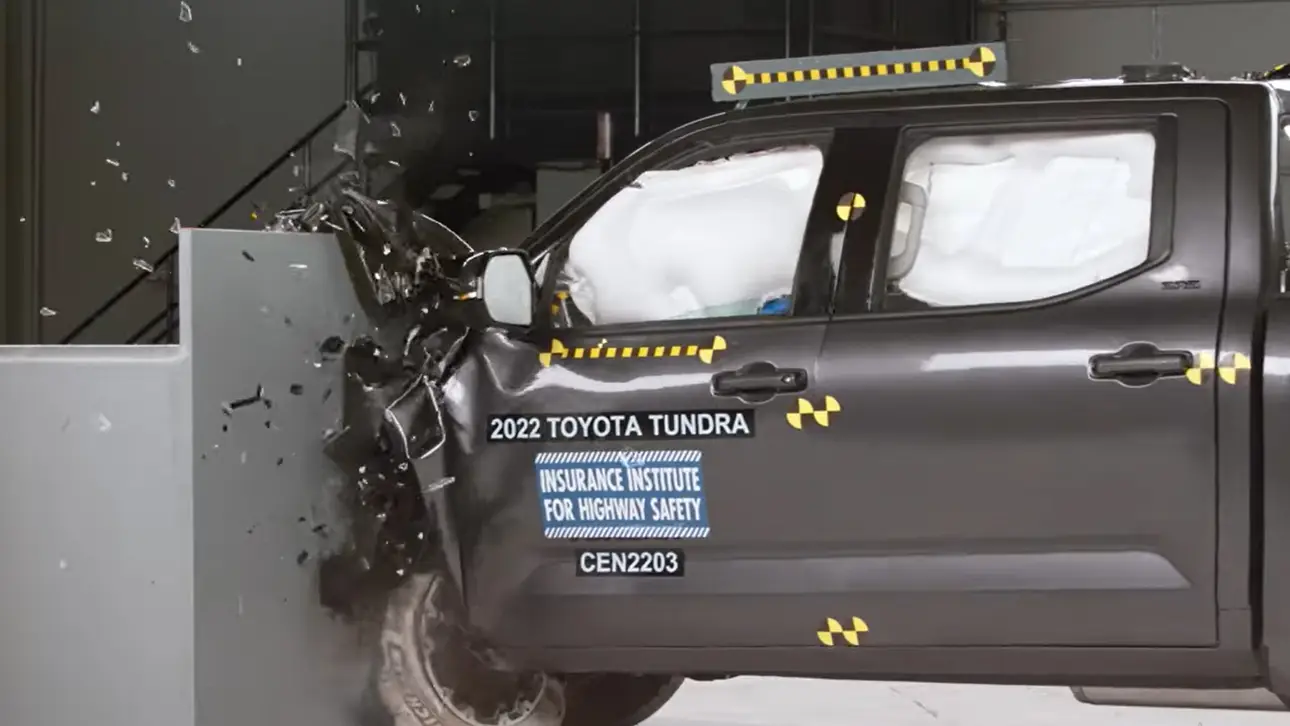
In crash testing both pickups did well in the small front overlap and side impact. But in the moderate front overlap test the F-150 was rated Poor. The reason: an elevated risk of head, neck and chest injuries for second-row passengers. For big pickups this is a common issue: the driver gets better protection than whoever sits in the back.
Toyota Tundra broke out of that pattern and earned a Good. That's exactly what helped it become the only petrol full-size pickup with an IIHS Top Safety Pick in 2026. Among all big pickups, basically the only other model alongside it on that list is the electric Tesla Cybertruck.
Crash-avoidance systems paint a less consistent picture. The Tundra has not yet been put through the vehicle-to-vehicle test, while the Ford F-150 picked up a Poor there: the optional system repeatedly failed to avoid hitting another car and a motorcycle, and the driver alert often came too late. At the same time, the F-150 did better at pedestrian detection — Good versus Acceptable for the Tundra.
Headlights on both models depend on the trim. On the Toyota, LED projector beams scored Good and reflector lights Acceptable. On the Ford it's the other way round: LED reflectors scored Good and projectors Acceptable.
The bottom line for buyers is straightforward: the F-150 may offer more versions, more engines and that familiar «American» brand loyalty, but according to IIHS the Tundra looks safer. Especially if children or passengers ride in the back row regularly, rather than just tools and gear.
This English edition was prepared using AI translation under editorial oversight by SpeedMe. The original reporting is by Polina Kotikova
Latest Stories