Aluminum body was the F-150's strength — and now it's hitting Ford itself
 © B. Naumkin
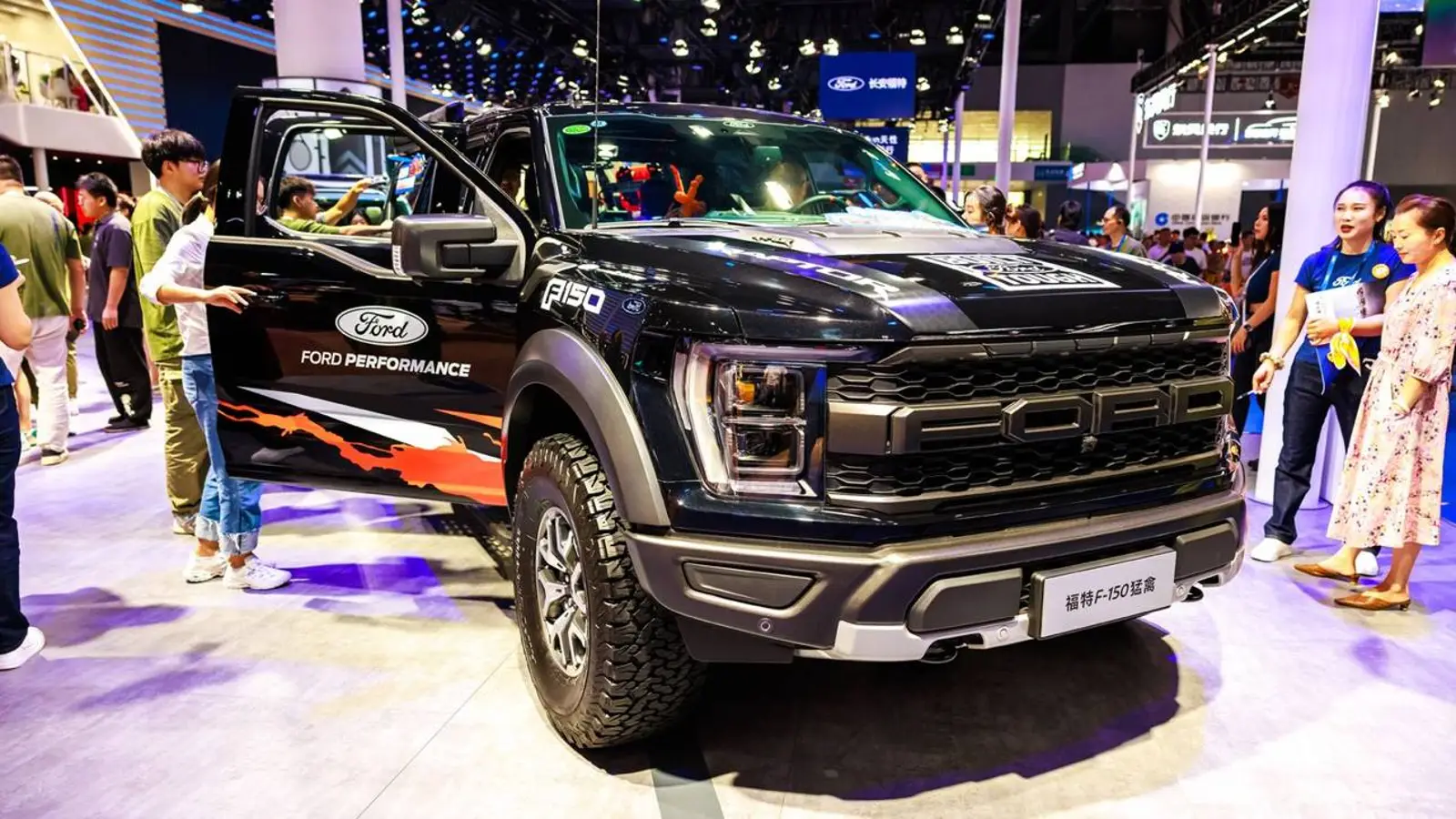
Ford F-150 inventory is shrinking as aluminum supply problems pile up: Iran war, a 50% U.S. tariff on imports, and the Novelis plant outage in Oswego.
Author: Diana Degtyareva
The Ford F-150 is back in the spotlight, but this time it's not about sales, power or a new variant. America's flagship pickup is short on aluminum, and the squeeze is already showing up in dealer inventories.
According to The Wall Street Journal, aluminum supply disruptions have hit production of the Ford F-150 and Super Duty. Texas dealer Sam Pack said he is now sitting on roughly 42 days of F-150 stock instead of the usual 60. “We’d love to have more,” he said, adding that “the next 90 days will be really critical.”
Several factors are at play. Aluminum prices have climbed amid disruptions tied to the war in Iran. The market has been further squeezed by a 50% U.S. tariff on imported aluminum. The situation got worse with the production shutdown at the major Novelis plant in Oswego, New York.
For Ford, this stings more than for most. Since the 2015 model year, the F-150 has used an aluminum-intensive body: the company bet on cutting weight and improving fuel economy. The move made the truck lighter, but it has tied Ford to swings in aluminum prices and supply more tightly than its rivals.
AutoForecast Solutions analyst Sam Fiorani put it bluntly: “Ford has a much greater exposure to the cost of aluminum than anyone else.”
Against this backdrop, F-Series sales in the first quarter of 2026 came in at around 160,000 units, versus roughly 190,000 a year earlier. Ford’s leadership has already doubled its estimate of the commodity-cost headwind, from $1 billion to $2 billion. It’s unclear how long the aluminum shortage will last, whether it will push F-150 prices higher for buyers, and whether Ford will have to adjust production plans over the next 90 days.
The company says it is preparing fallback options. Ford’s chief operating officer Kumar Galhotra stated: “If we have disruptions, we have contingency plans in place. We have additional aluminum supply so that production schedules at our plants do not get interrupted.”
For General Motors, the situation looks like a rare gift from a rival. The Chevrolet Silverado still uses steel body panels, and right now that is no longer just a conservative engineering choice but a hedge against the very problem that has hit Ford’s best-selling pickup.
This English edition was prepared using AI translation under editorial oversight by SpeedMe. The original reporting is by Diana Degtyareva
Latest Stories