The most powerful Land Cruiser is also the priciest: a hybrid that bets on muscle, not economy
 © A. Krivonosov
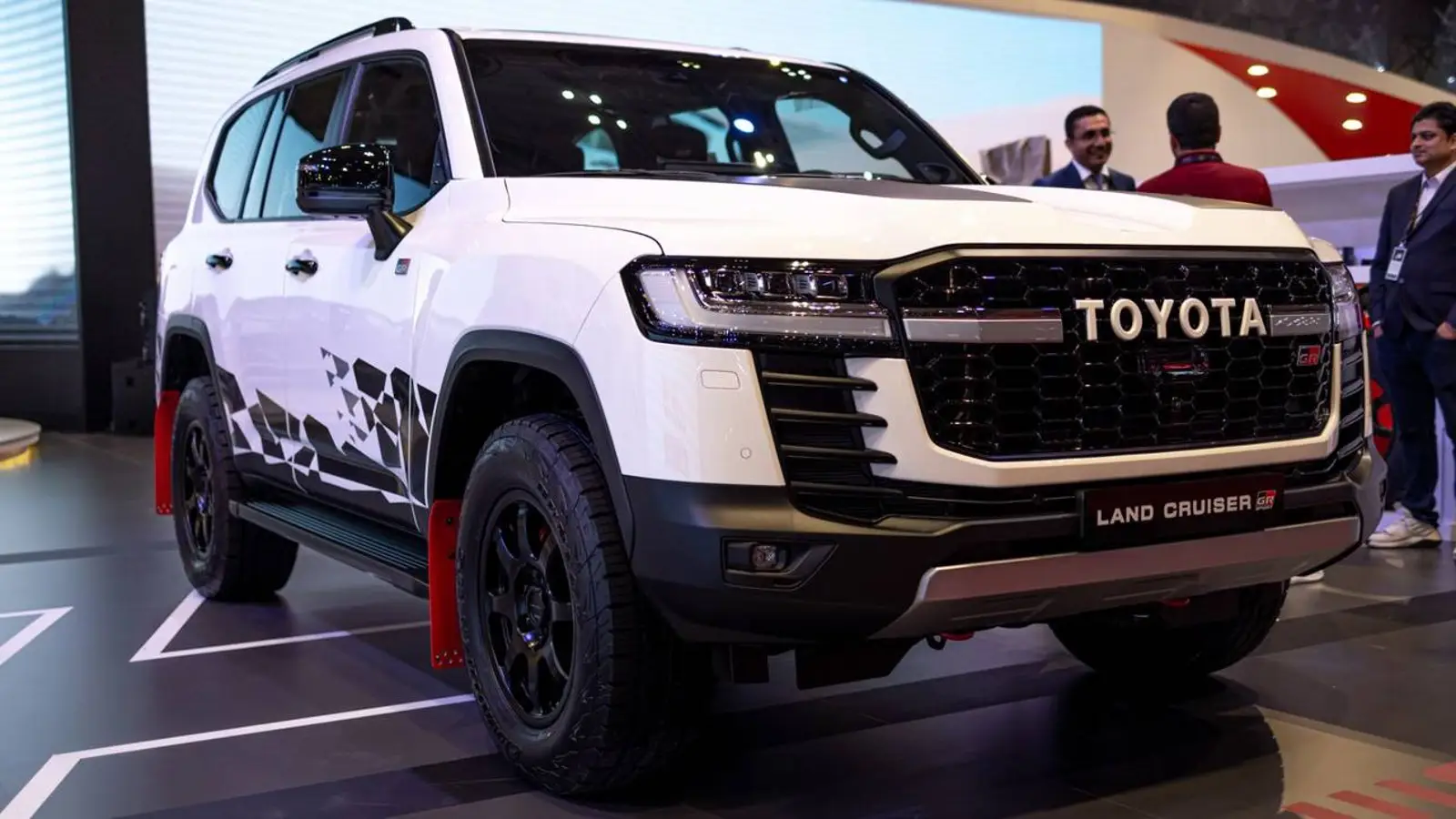
Toyota has announced Australian pricing for the new i-Force Max hybrid Land Cruiser 300 — the most powerful and most expensive Cruiser ever. Sales start mid-2026.
Author: Dmitry Novikov
Toyota has revealed Australian pricing for the Land Cruiser 300 Series with the new i-Force Max hybrid powertrain. It’s the most powerful and most expensive Cruiser in the model’s history: sales start in mid-2026, and the premium over the diesel versions is A$8,900.
The hybrid will be offered only in the two top trims. The Land Cruiser GR Sport Hybrid is priced at A$156,060, and the Sahara ZX Hybrid at A$156,810. By comparison, the equivalent versions with the 3.3-litre diesel V6 are A$8,900 cheaper. Toyota is making it clear from the start that this isn’t a mass replacement for diesel, but a pricey version for those who want the maximum traction and status in the line-up.
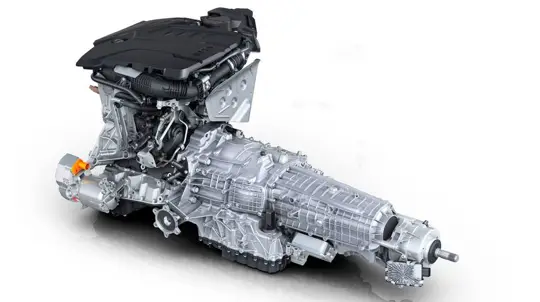
The powertrain will be familiar from the Tundra pickup. At its core is a 3.4-litre twin-turbo petrol V6, an electric motor-generator between the engine and the 10-speed automatic, and a 1.8 kWh nickel-metal-hydride battery at the rear of the car. Because of it, the spare wheel had to be relocated.
Combined output is 341 kW and 790 Nm. That’s 114 kW and 90 Nm more than the diesel Land Cruiser 300. At the same time, Toyota openly calls the system not an economy hybrid but a “performance” one.
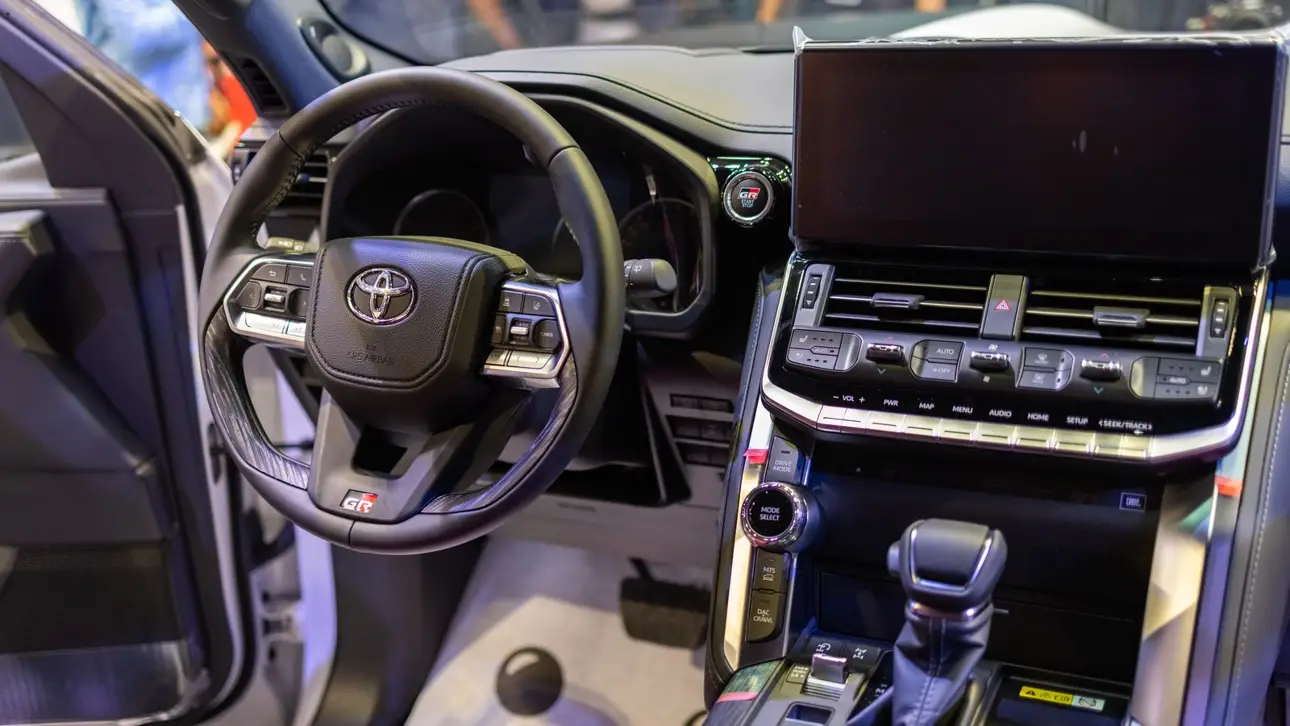
Toyota Australia’s vice president of sales, marketing and franchise operations John Pappas said: “Unlike our efficiency hybrids in vehicles like Camry and RAV4, this hybrid powertrain is all about improving performance — whether that’s for off-road adventures well beyond the tarmac or towing heavy loads such as caravans, horse floats or boats.”
The towing figures haven’t changed: braked trailer towing capacity is up to 3,500 kg. The four-wheel drive system is full-time. The Sahara ZX gets a Torsen limited-slip rear differential, while the GR Sport gets locking front and rear diffs as well as electronically controlled E-KDSS suspension. Both hybrid versions stay five-seaters, just like the diesel GR Sport and Sahara ZX. For those who want seven seats, Toyota effectively points to the Lexus LX700h, but its price is already A$199,800 before on-road costs.
There are also practical changes beyond the engine. The hybrid Land Cruiser switches from hydraulic to electric power steering, gains a rear 200 V/1500 W power outlet for running small appliances, and a 40:20:40-split second-row seat back. Australian fuel consumption hasn’t been announced yet, but the overseas figure is 10.9 L/100 km. That’s noticeably higher than the local diesel’s claimed 8.9 L/100 km, so buyers shouldn’t expect classic hybrid savings.
The warranty is five years with unlimited mileage. For the first five years or 100,000 km, a capped-price service program of A$450 per service is in effect.
Toyota’s biggest irritant in Australia isn’t the diesel rivals but the Chinese Denza B8. It’s already on the market, also tows 3,500 kg, has three rows of seats, a plug-in hybrid system and is priced from A$91,000 to A$97,990. The Land Cruiser doesn’t answer with price, but with reputation and off-road pedigree. But for the first time in a long while, Toyota will have to explain why the most expensive LandCruiser isn’t the most economical or the most spacious.
This English edition was prepared using AI translation under editorial oversight by SpeedMe. The original reporting is by Dmitry Novikov
Latest Stories