Goodbye brake fluid: how Brembo's Sensify changes the rules of the game
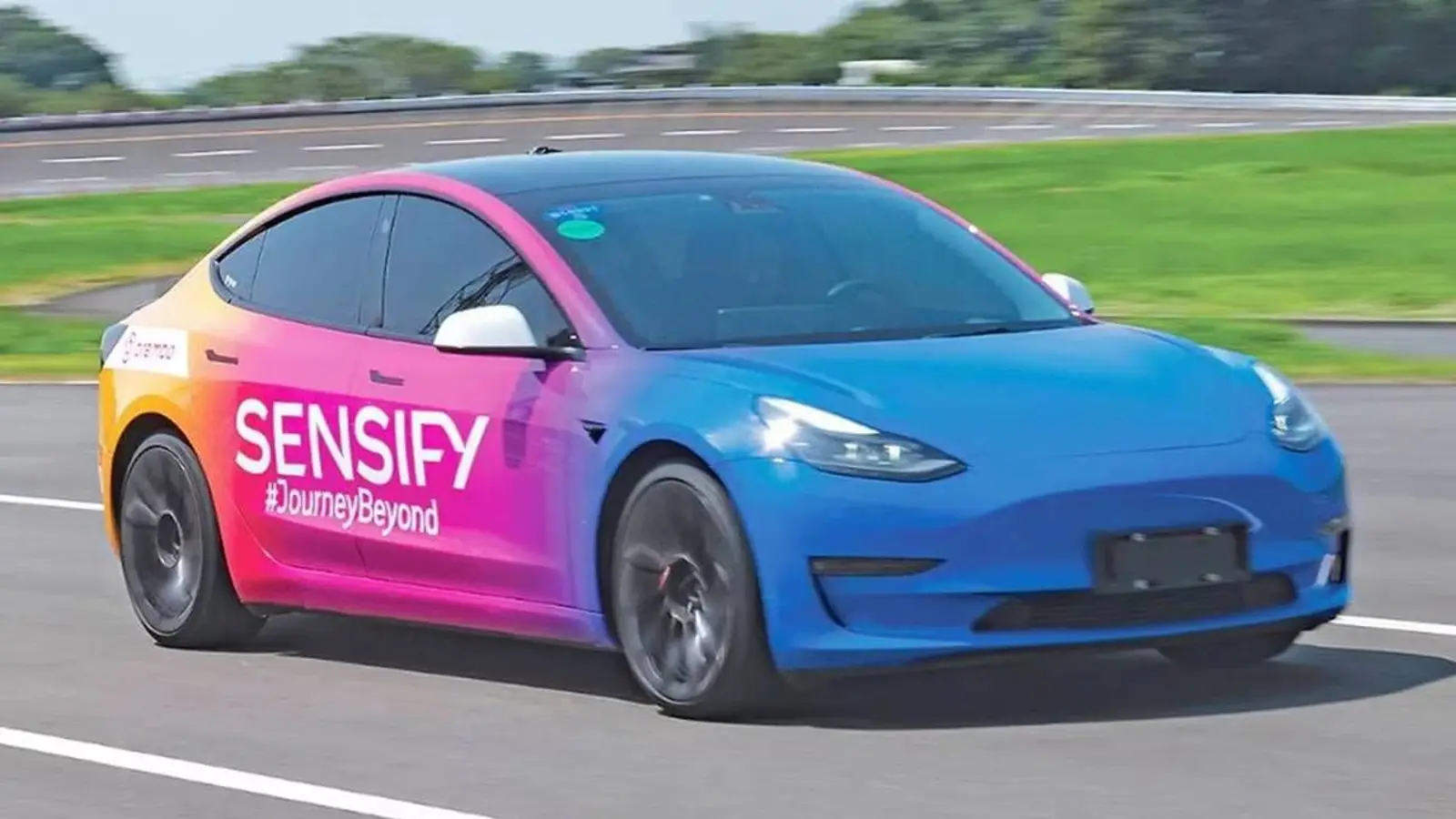 © brembo.jp
Brembo has launched mass production of its Sensify brake-by-wire system for a global automaker. Fluid-free architecture, software-defined modulation, no hydraulics.
Author: Polina Kotikova
Brembo is taking brakes into the digital age: the company has started large-scale production of its Sensify system for an unnamed global automaker. An important detail — this is not an option for one expensive trim, but standard equipment on every car in the first production programme.
Sensify moves braking away from the traditional hydraulic layout to a true brake-by-wire system: there is no brake fluid and no hydraulic circuits at all, and each wheel gets its own electromechanical actuator. The command from the pedal is processed by electronics, and braking force is distributed in software.
This approach gives much more freedom for fine-tuning. Electronics can change the load on individual wheels faster, helping to stabilise the car during hard braking, sharp manoeuvres or on slippery surfaces. For the driver, this should feel like smoother, more predictable deceleration without unnecessary mechanical complexity.
Brembo CEO Daniele Schillaci called Sensify the embodiment of an integrated, intelligent braking platform. The technology fits the broader industry trajectory well: cars are increasingly software-defined, and individual subsystems work as part of a single digital architecture.
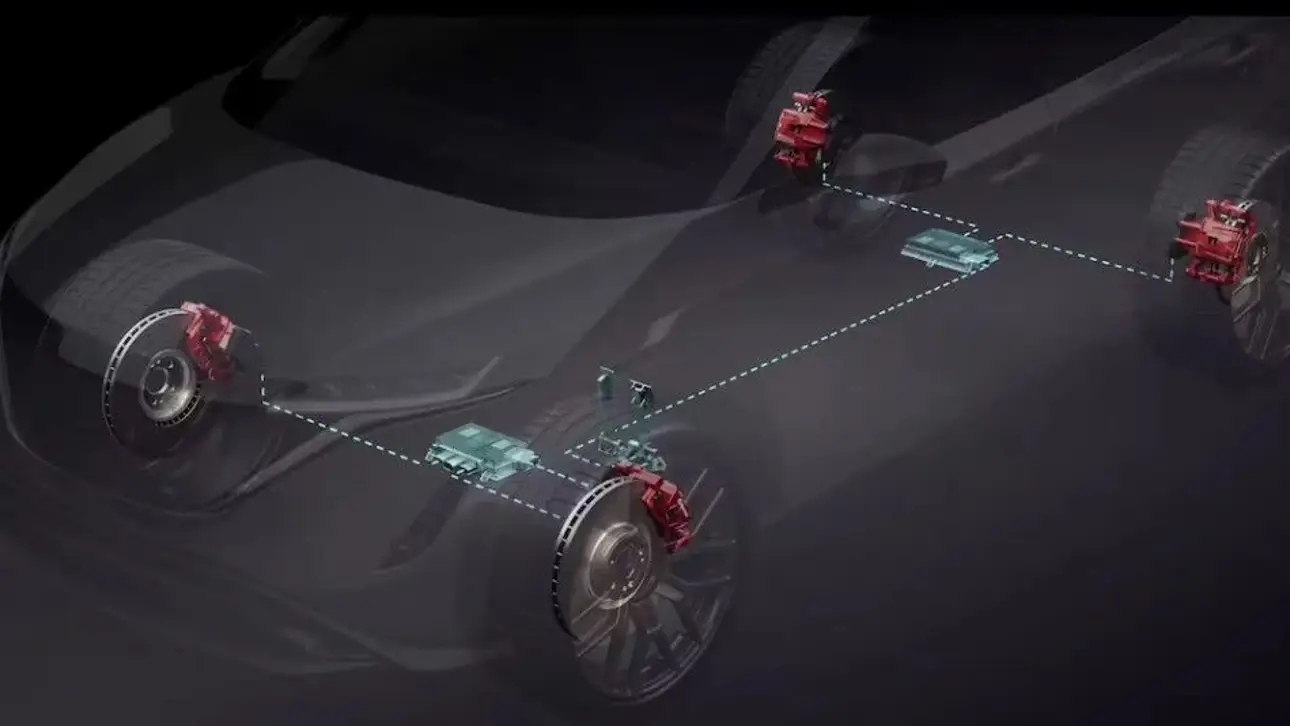
By-wire brakes are particularly important for hybrids, EVs and future cars with advanced assistants. They need to blend conventional braking with regeneration precisely, intervene quickly in stability systems and be ready for higher levels of autonomous driving.
A similar shift is already under way in steering. The Tesla Cybertruck uses steer-by-wire, the NIO ET9 received its system from ZF, Lexus is introducing the One Motion Grip electronic steering on the RZ, and Hyundai Mobis has shown prototypes with by-wire steering and brakes on an Ioniq 5 base.
There is also a flip side: the more a car depends on software, the higher the demands on electronic reliability, redundancy and diagnostics. But the direction is set — mechanics are increasingly handing control over to algorithms, and brakes have become the next major component where this is no longer just theory.
This English edition was prepared using AI translation under editorial oversight by SpeedMe. The original reporting is by Polina Kotikova
Latest Stories