No more waiting in line: Spain wires its EV subsidy straight into the showroom
 © B. Naumkin
Spain's Plan Auto 2030 replaces Moves III: up to €5,500 off electric cars applied directly on the invoice, no waiting for state payouts. Here's how the EEE criterion works.
Author: Polina Kotikova
Spain has finally laid out the details of Plan Auto 2030 — the new electric vehicle support scheme that replaces the old Moves III. The big shift for buyers: no more waiting months for the money after purchase. The discount has to be applied right at the dealership.
The maximum aid is up to €5,500. But it doesn’t all come from the state: €4,500 comes from the public purse, while dealers are required to chip in another €1,000 from their own margin. The buyer sees the lower price right on the invoice instead of chasing a subsidy through the bureaucracy for years.
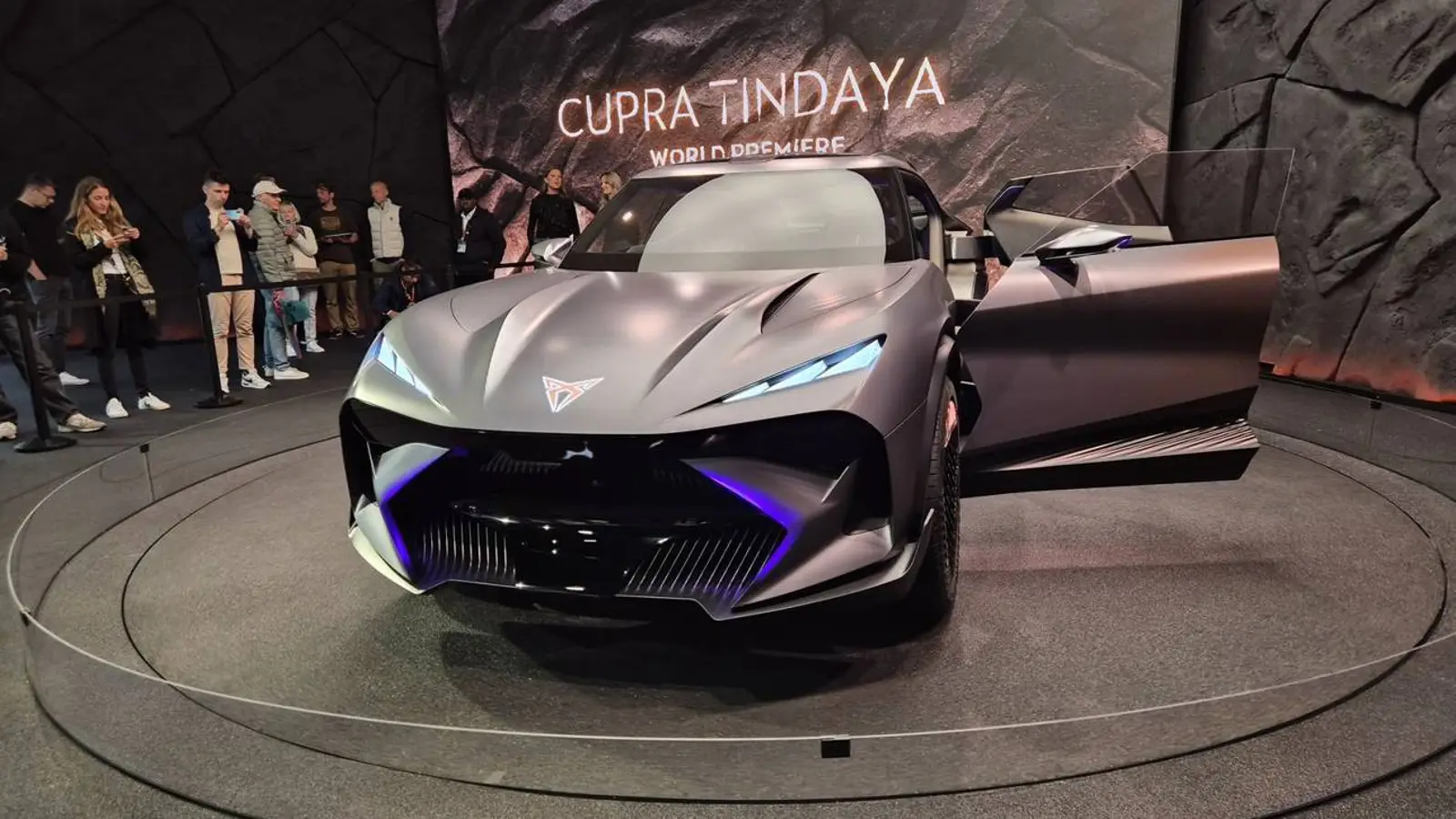
The scheme was officially approved in February and applies retroactively to purchases made from 1 January 2026. The public industry presentation of Plan Auto 2030 is set for 21 May in Barcelona, at Casa Cupra Raval. Expected attendees include government, industry and regional figures: Generalitat president Salvador Illa, ANFAC chairman Josep Maria Recasens, Seat and Cupra CEO Markus Haupt, and Secretary of State for Industry and SMEs Jordi García Brustenga.
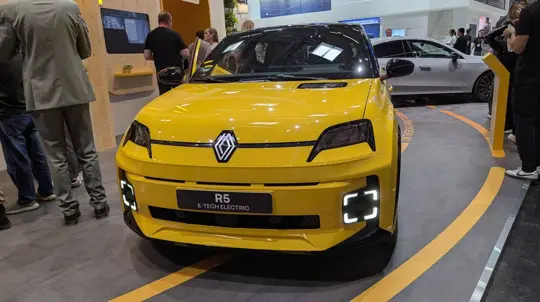
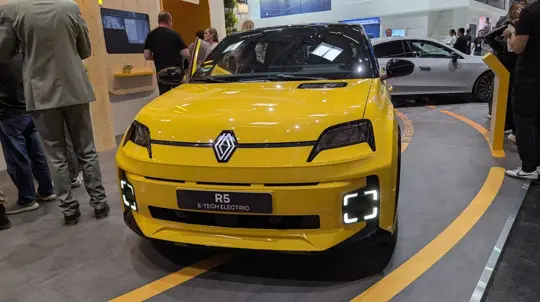
The top tier of support goes to cars that meet the EEE criterion: electric, economic and European. In other words, the maximum aid lands on EU-built electric cars priced under €35,000 ex-VAT. European-built models up to €45,000 still qualify, but for a smaller amount.
Electric cars built outside the EU, as well as plug-in hybrids, are not excluded from the scheme, but their numbers are lower. The approach makes the government’s twin goal explicit: speed up electrification while shielding European manufacturers from Chinese pressure.
Plan Auto 2030 isn’t just about discounts on cars. It bundles 25 measures, including fast-charging infrastructure, the Moves Corredores programme for charging corridors and fresh industrial investment tied to the EV PERTE.
The weak spot is the late rollout of the practical end. The plan was announced in December, approved in February, but the application window only opens in May. In the meantime, some buyers have simply put off their purchase, unsure whether to take an EV now or wait for the new framework.
Important details are still hazy: how the aid stacks with regional subsidies, the final list of qualifying models, and exactly when dealers get reimbursed. What the market needs isn’t just a generous number — it needs predictability. When buyers don’t understand the rules, they don’t buy. They wait.
The new scheme looks better than the old Moves III precisely because of the instant dealer discount. But Spain now has to prove Plan Auto 2030 won’t repeat the old problem: handsome figures on paper and painfully slow delivery in reality.
This English edition was prepared using AI translation under editorial oversight by SpeedMe. The original reporting is by Polina Kotikova
Latest Stories