The defiant V12: De Tomaso skips turbos and hybrids to make the P900 scream
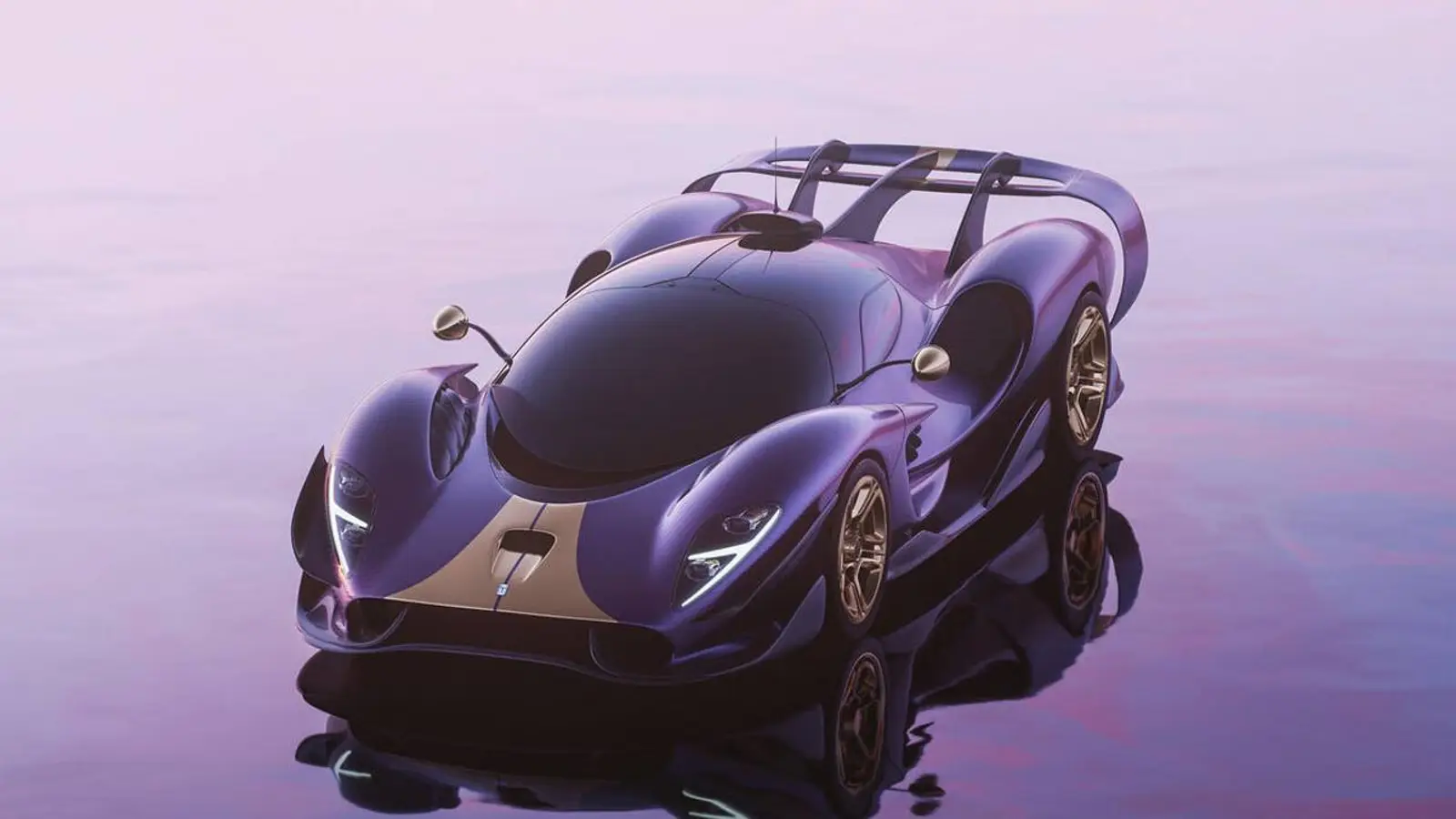 © De Tomaso Automobili
De Tomaso has finalised the spec for the P900's track-only V12. Developed with Italtecnica, the 7.0-litre naturally aspirated unit makes 888 hp and revs to 10,200 rpm.
Author: Polina Kotikova
De Tomaso has finally revealed the final version of the engine for the P900 — and this is one of those rare cases where the delay has only sharpened the interest. Instead of turbochargers, electric motors and hybrid assistance, the company has built a 7.0-litre naturally aspirated V12 for the track.
The engine was developed together with Italian firm Italtecnica. Back in 2022, De Tomaso promised the V12 would spin to 12,300 rpm, but the production specification has settled on a 10,200 rpm redline. Power output, however, has held firm at the originally quoted figure: 888 hp. Peak power arrives at 9,500 rpm.
The construction is close to pure racing hardware. The cylinder banks sit at a 65-degree angle, like late-era Ferrari V12s and the Gordon Murray T.50. Lubrication is handled by an eight-stage dry-sump system, designed to keep oil flowing under hard acceleration, heavy braking and high cornering loads.
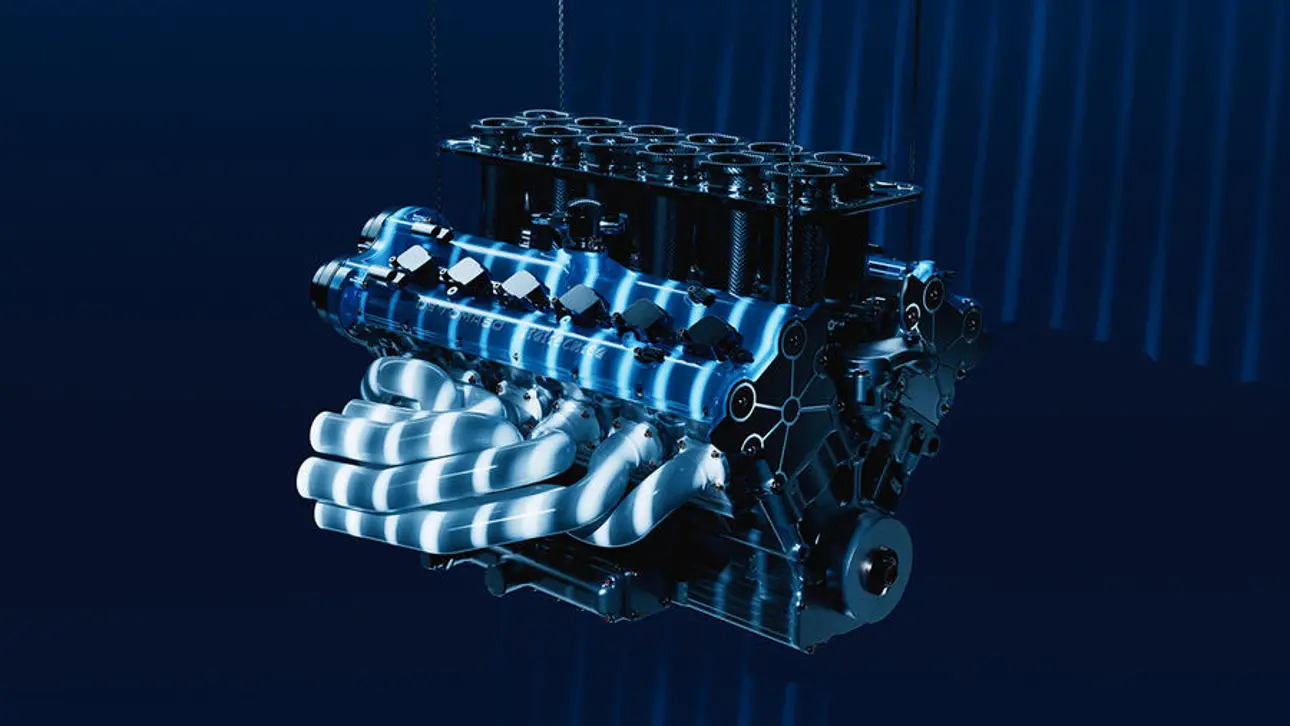
Instead of belts or chains, the camshafts are driven by a full gear-train cascade — this keeps valve timing precise at extreme engine speeds. The cylinder heads carry twin overhead cams, the valves are made of titanium and the connecting rods are forged. Pistons have been lightened to cut the mass of the moving parts.
The crankcase is machined from a solid billet of aluminium, and titanium and carbon fibre feature heavily throughout. The intake was shaped not just for airflow, but for sound: on a track car with a V12, that is now part of the character, not merely an engineering detail.
The P900 remains a track-only machine rather than something destined for public roads. But that is exactly why De Tomaso can afford to build an engine that makes no effort to please regulators and refuses to mask its emotions behind electronics. In the era of hybrid hypercars, a V12 like this sounds almost like a stubborn gesture — expensive, impractical, and all the more striking for it.
This English edition was prepared using AI translation under editorial oversight by SpeedMe. The original reporting is by Polina Kotikova
Latest Stories