Volvo draws the line: no paying twice for what's already in your car
 © A. Krivonosov
Volvo's CTO Anders Bell rules out paywalls for hardware features owners already have, calling it a self-inflicted wound. Subscriptions stay only for complex digital services.
Author: Polina Kotikova
Volvo has decided not to follow the most annoying playbook of car subscriptions. The company says it will not charge owners to activate features that are already physically installed in the car and obvious to the buyer from day one.
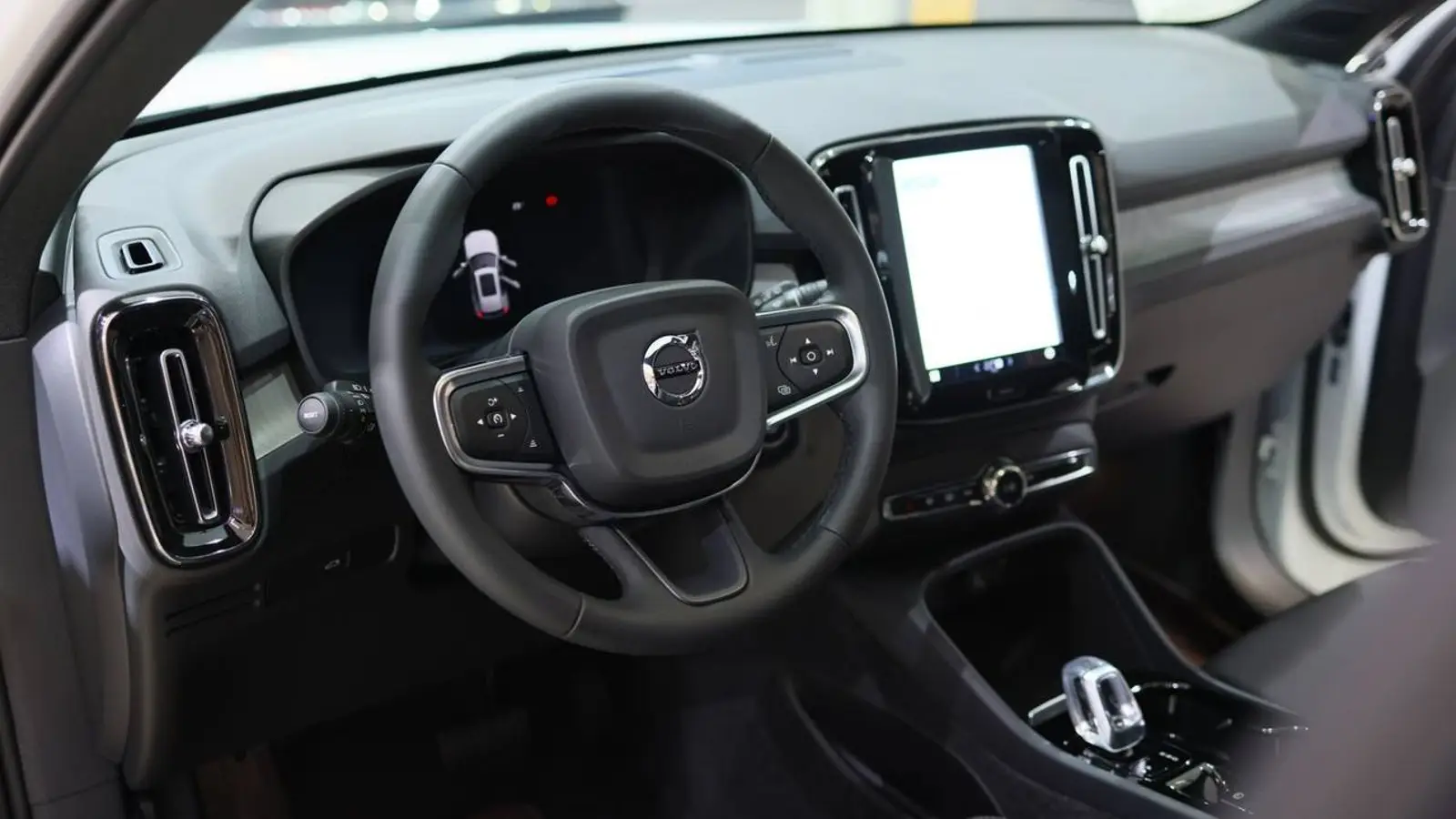
The trigger is the new 2027 Volvo EX60. The crossover will become a software-defined car and get Google Gemini on board: the driver will be able to control cabin functions by voice almost like in an ordinary conversation — for example, changing the temperature without buttons or menus.
But Volvo does not want to turn such a car into a set of locked, paid options. The brand's Chief Technology Officer Anders Bell told CarBuzz bluntly: «We are absolutely not going to charge you for something that you clearly know is installed in your car, and then also charge for its activation». Asked specifically about heated seats, he answered briefly: «No, we would not do that».
Subscriptions will still exist. Volvo is open to charging for complex functions — more advanced driving automation, a continuous flow of data or digital services where the customer clearly understands what they are paying for. Today many Volvos already come with a complimentary four-year data package covering Google Automotive, remote start, lock and security features. After the trial period, renewal can run around $20 a month or up to $200 a year.
Volvo's main point is not to build a business around a dream of future software revenue. Bell called that approach «shooting yourself in the foot»: a car without subscriptions should still be a complete product, while paid features should only be «the cherry on top».
A software roadmap is being prepared for the EX60 two years ahead. Updates are planned roughly once a quarter, so owners are not bombarded with constant notifications. A single software package will improve several models built on the same architecture at once — EX60, EX90, ES90, Polestar 3 and future cars.
Against the backdrop of brands that have already tried to charge for heated seats, remote features or assistants, Volvo's stance sounds almost old-fashioned. But for the buyer that is actually a good sign: the car remains something you bought, not a device where a familiar button might be locked behind a monthly fee tomorrow.
This English edition was prepared using AI translation under editorial oversight by SpeedMe. The original reporting is by Polina Kotikova
Latest Stories