Italian by badge, Chinese by code: how Huawei could reboot Maserati
 © A. Krivonosov
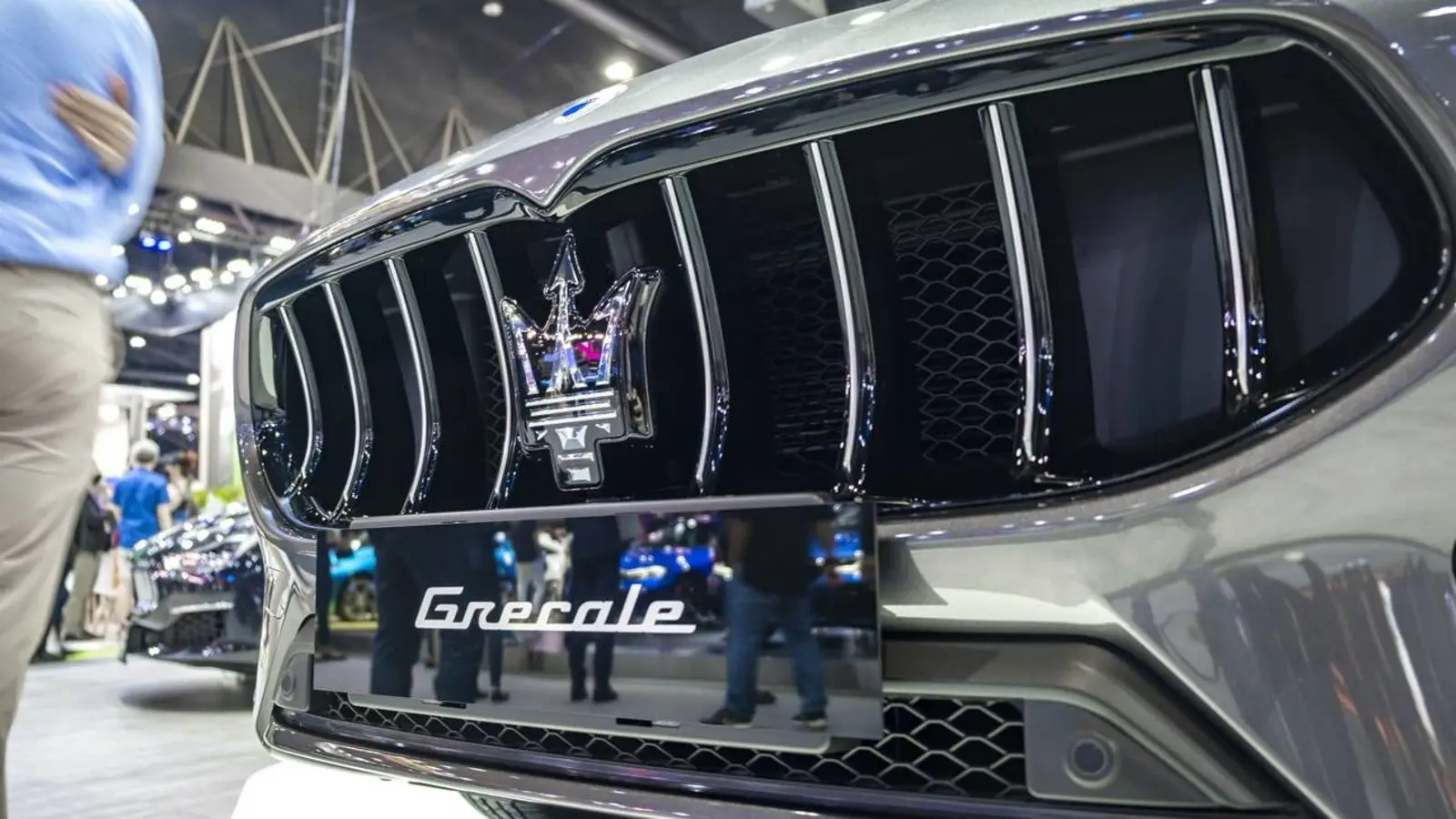
Huawei, JAC, Stellantis and Maserati are reportedly negotiating a co-developed electric model that would launch as Maextro in China and as a Maserati abroad.
Author: Dmitry Novikov
Maserati may end up with an electric vehicle that is less Italian than the badge suggests. According to Chinese outlet Yunjian Insight, Huawei, JAC, Stellantis and Maserati are in talks about jointly developing new electrified models.
The setup echoes Huawei’s HIMA alliance, where the Chinese tech company effectively shapes the product, electronics, software and user experience, while the carmaker handles manufacturing and the vehicle platform. In the new project, Huawei would lead product definition and core technologies, JAC would co-develop and build the car, and Maserati would supply design and brand identity.
Interestingly, one car could have two market lives. In China it would launch under the Maextro brand jointly developed by Huawei and JAC. For overseas markets it could wear a Maserati badge. Sources say series production is planned for the second half of next year, although a formal commercial agreement has not yet been signed.
For Maserati the move looks almost forced. Sales have collapsed: according to the report, global deliveries fell from nearly 27,000 vehicles in 2023 to around 7,900 in 2025. In China, once the brand’s biggest market, just over 1,000 cars were sold last year. By comparison, in 2017 Maserati moved 14,498 units in China — almost 30% of its global volume.
Maserati’s biggest weakness in the new era is not the leather inside or the sound of the engine, but the electronics. Premium buyers in China already expect an advanced interface, capable driver assistants, smart features and fast software updates. This is where Huawei has an edge that European brands struggle to match on their own.
Huawei and JAC already have a showcase: the Maextro S800 luxury sedan. It starts at 708,000 yuan, or about $104,000, and cumulative sales since launch have passed 16,000 units — a strong result for an expensive Chinese sedan. Huawei has since revealed a version with an 896-channel LiDAR, calling it one of the most advanced sensor suites in the world.
For Stellantis this is not the first pivot toward Chinese EV makers. The group previously bought about 20% of Leapmotor to strengthen its position in mainstream electric cars. The same logic may now reach Maserati, but in the premium tier.
If the project goes ahead, it will be more than just another Maserati EV. It will be an admission that in the EV era, lavish design and a famous name are not enough. What you need is a fast software core, strong electronics and the kind of technology buyers see every day — not just in a brochure.
This English edition was prepared using AI translation under editorial oversight by SpeedMe. The original reporting is by Dmitry Novikov
Latest Stories