Ford bets big on Europe again — and brings back its rally roots
 © ford.com
Ford has unveiled a three-year plan in Salzburg: seven new vehicles, an expanded Ford Pro business and a new Ready-Set-Ford global brand platform built around work, performance and adventure.
Author: Polina Kotikova
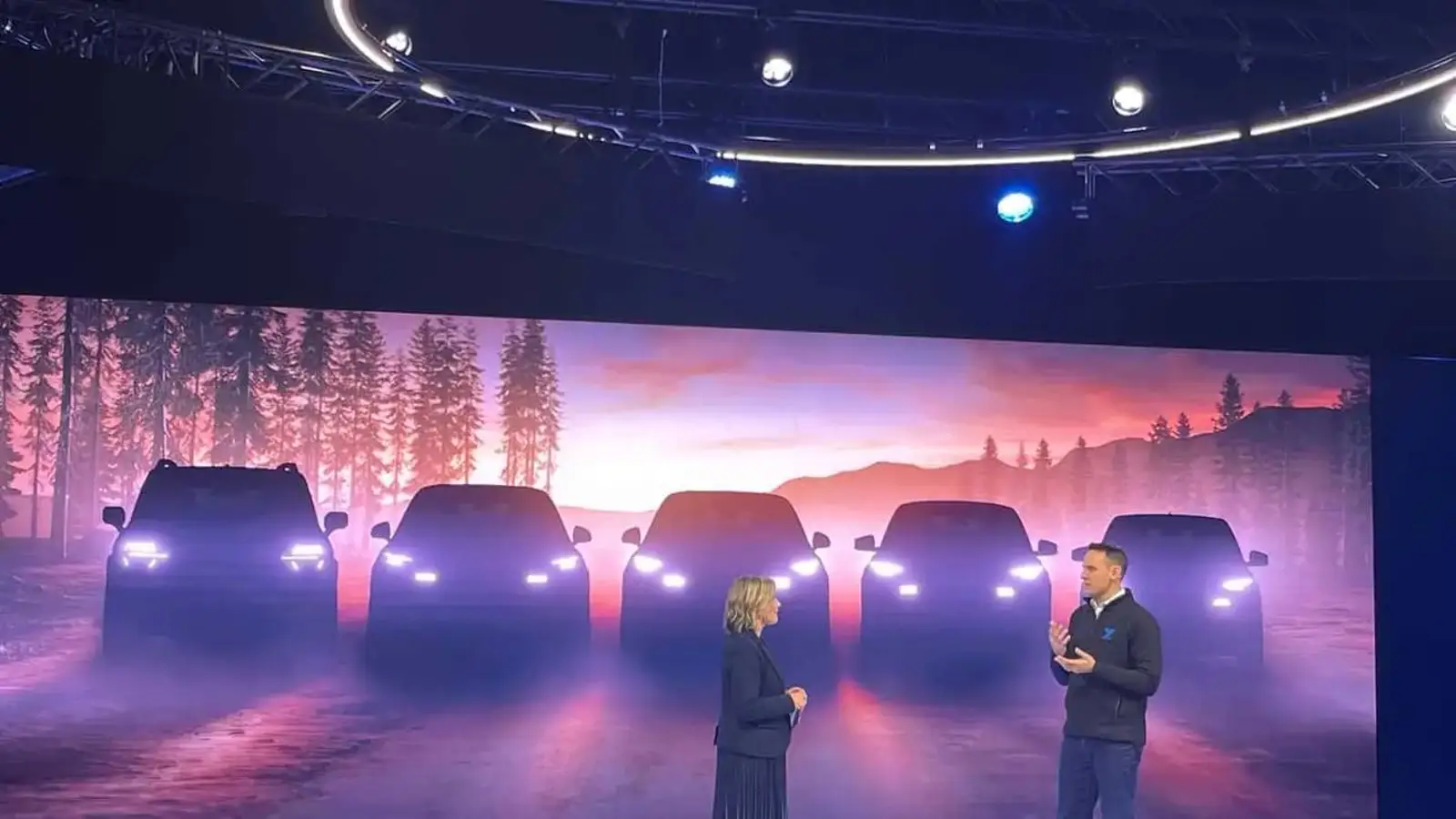
Ford is preparing a major relaunch in Europe. At a meeting with dealers and partners in Salzburg, the company laid out a three-year plan: seven new models, an expanded Ford Pro business and a new global platform called Ready-Set-Ford, built around work, performance and adventure.
The commercial lineup gains two important additions. The Ranger Super Duty is already open for orders and is built for heavy-duty use: emergency services, forestry, mining and military work. Combined vehicle and trailer mass reaches 8 tonnes, towing capacity goes up to 4.5 tonnes and payload is close to 2 tonnes. The pickup gets reinforced suspension, extra underbody protection and increased ground clearance.
The second newcomer is the all-electric Transit City. It’s an urban van aimed at corporate fleets and restricted-access zones. It will be offered in three versions, including a chassis cab for specialist conversions, and is set to reach dealers by the end of 2026.
The passenger range is changing too. By the end of 2029 Ford will roll out five new European-built models. They include a compact European Bronco with several powertrain options, which will be built in Valencia from 2028, a sporty B-segment electric car, a small urban electric SUV, and two crossovers with different powertrains.
In parallel, Ford Pro wants to be more than just a van seller — it’s positioning itself as a service partner for businesses. The company is betting on telematics, predictive diagnostics and Uptime Services. More than 1.2 million European customers are already connected to the system, and their vehicles transmit nearly 6 million diagnostic signals every day.
Ford is also pushing back against European regulators: the shift to zero emissions, it argues, must reflect real demand, charging infrastructure and the capabilities of small businesses. The company is calling for a more flexible approach to plug-in hybrids (PHEVs) and extended-range electric vehicles (EREVs), rather than a rushed jump straight to pure EVs.
This English edition was prepared using AI translation under editorial oversight by SpeedMe. The original reporting is by Polina Kotikova
Latest Stories