Vision over lidar: Xpeng bets its first serial robotaxi on AI alone
 © B. Naumkin
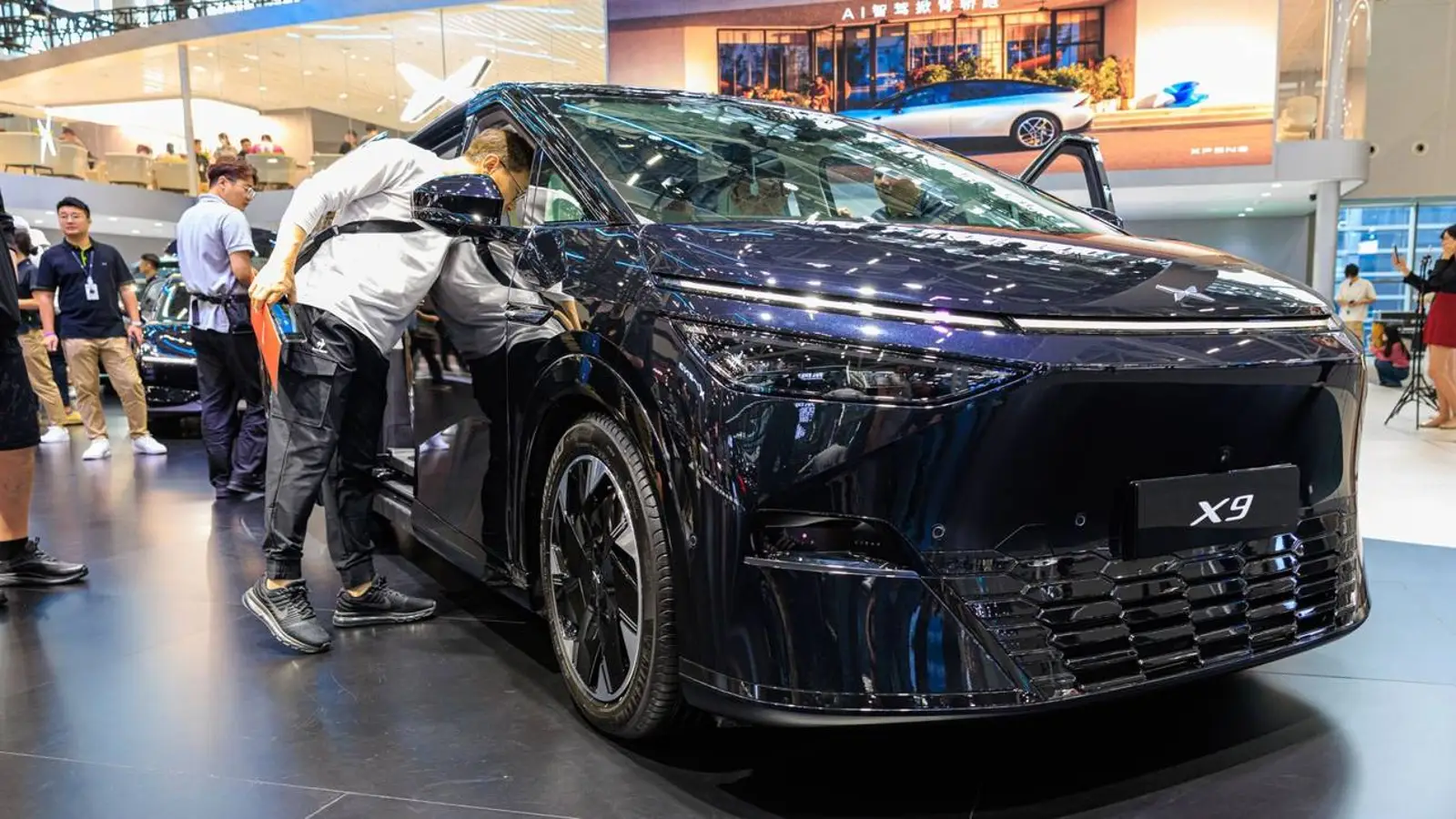
Xpeng has rolled the first serial robotaxi off the line in Guangzhou. Four Turing AI chips, 3,000 TOPS, VLA 2.0 model and a pure-vision approach without lidar or HD maps.
Author: Polina Kotikova
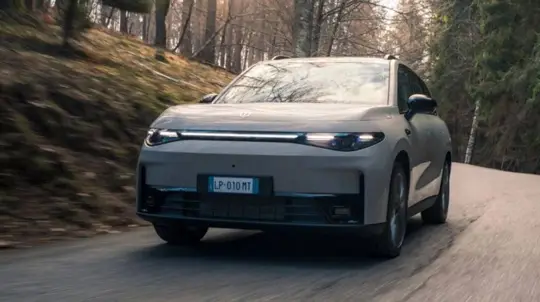
Xpeng has announced the rollout of its first serial robotaxi off the production line in Guangzhou. The company claims to be the first automaker in China to take a robotaxi all the way to mass production rather than just to test prototypes.
The vehicle is built on the GX platform and engineered for Level 4 autonomous driving. Four of Xpeng’s in-house Turing AI chips are installed on board, delivering a combined output of up to 3,000 TOPS of compute. That is enough to process camera data and make decisions in real time.
Notably, Xpeng has dropped lidar and HD maps. Instead, the robotaxi relies on a machine-vision autonomous driving system — the same approach the company uses in its conventional passenger models. Decisions are handled by a large end-to-end model, VLA 2.0, and the system’s response latency is claimed at under 80 milliseconds.
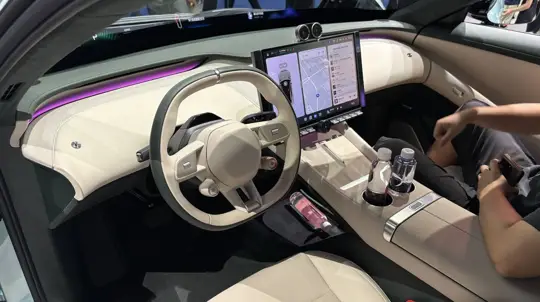
The approach should make scaling easier: if a car does not need pre-built, detailed maps, it is simpler to roll out into new cities and even into foreign markets. But that is exactly where the real test lies — stability in messy urban environments matters more than impressive specs. The cabin is designed for driverless rides: privacy glass, zero-gravity seats, rear-passenger screens, infotainment and voice control over the settings.
Xpeng plans to launch pilot operations in the second half of 2026. At this stage the company will be validating technical reliability, user response and the business model. By early 2027 Xpeng expects to move to daily fully autonomous service — with no in-cabin safety operators on the road.
To speed up the project, Xpeng set up a dedicated robotaxi business unit in March. The company has also opened up its SDK to partners, with Amap becoming the first global ecosystem participant.
The start of serial robotaxi production shows that China’s autonomous-mobility race is shifting from demos into commercial validation. Now Xpeng has to prove not only that the car can drive itself, but that the service can be scaled reliably, safely and profitably.
This English edition was prepared using AI translation under editorial oversight by SpeedMe. The original reporting is by Polina Kotikova
Latest Stories