Nissan's path to North America may run through its Chinese plants
 © A. Krivonosov
Nissan is studying exports of Chinese-built EVs to Canada after Ottawa lifted its ban and opened a 49,000-car annual quota. The N7 sedan and Frontier Pro pickup are first in line.
Author: Polina Kotikova
Nissan may start shipping to Canada electric cars built in China at its joint venture with Dongfeng Motor. The company is studying the option after Canada lifted its ban on Chinese EVs in January 2026 and allowed up to 49,000 vehicles of Chinese origin to enter the country each year.
Christian Meunier, head of Nissan in the Americas, told Bloomberg that the Canadian government has opened the door to some Chinese-made products and that Nissan is «seriously looking into it.» He did not name specific models, but stressed the advantages of Chinese factories: low costs and fast development cycles.
For buyers the logic is obvious: EVs from China can be noticeably cheaper than equivalents assembled closer to North America. Tesla is already using this window — its Shanghai plant has begun shipping competitively priced Model 3 sedans to Canada.
Nissan wants to lean on its Chinese base more broadly too. The initial goal is to export 100,000 vehicles from China, with the volume potentially rising to 300,000 cars a year later on. The first export candidates are the N7 electric sedan and the Frontier Pro pickup, which will first test demand in Latin America.
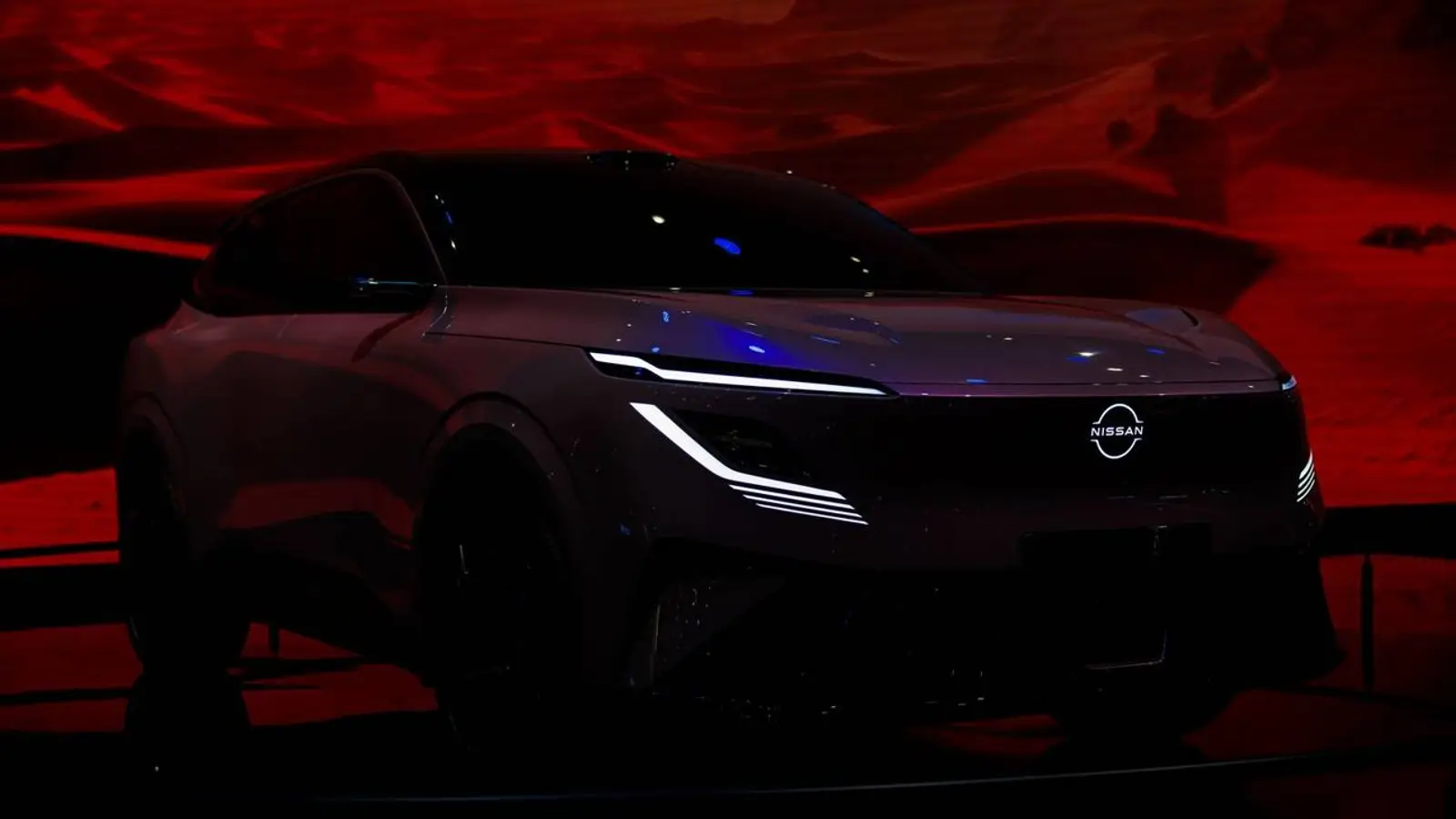
Dongfeng Nissan already has a new electrified N lineup. It includes the N7 sedan and the flagship NX8 SUV. The latter comes in both a pure-electric version and a range-extender hybrid. Within 30 minutes of launch, the NX8 racked up more than 8,400 orders, helped by aggressive pricing starting at 149,900 yuan, or roughly 20,800 US dollars.
If Nissan does pull the trigger on Canada, it will be more than the export of a single model. The brand is effectively admitting that without Chinese cost levels, competing for mass-market buyers in the affordable EV segment is getting harder and harder.
This English edition was prepared using AI translation under editorial oversight by SpeedMe. The original reporting is by Polina Kotikova
Latest Stories