Cheap Chinese EVs get a Spanish passport: how Leapmotor saved a Stellantis plant
 © leapmotor.com
Stellantis will assemble two Leapmotor EVs in Madrid to rival the BYD Atto 2 and Renault 5, saving the Villaverde plant after the Citroën C4 moves to Morocco.
Author: Dmitry Novikov
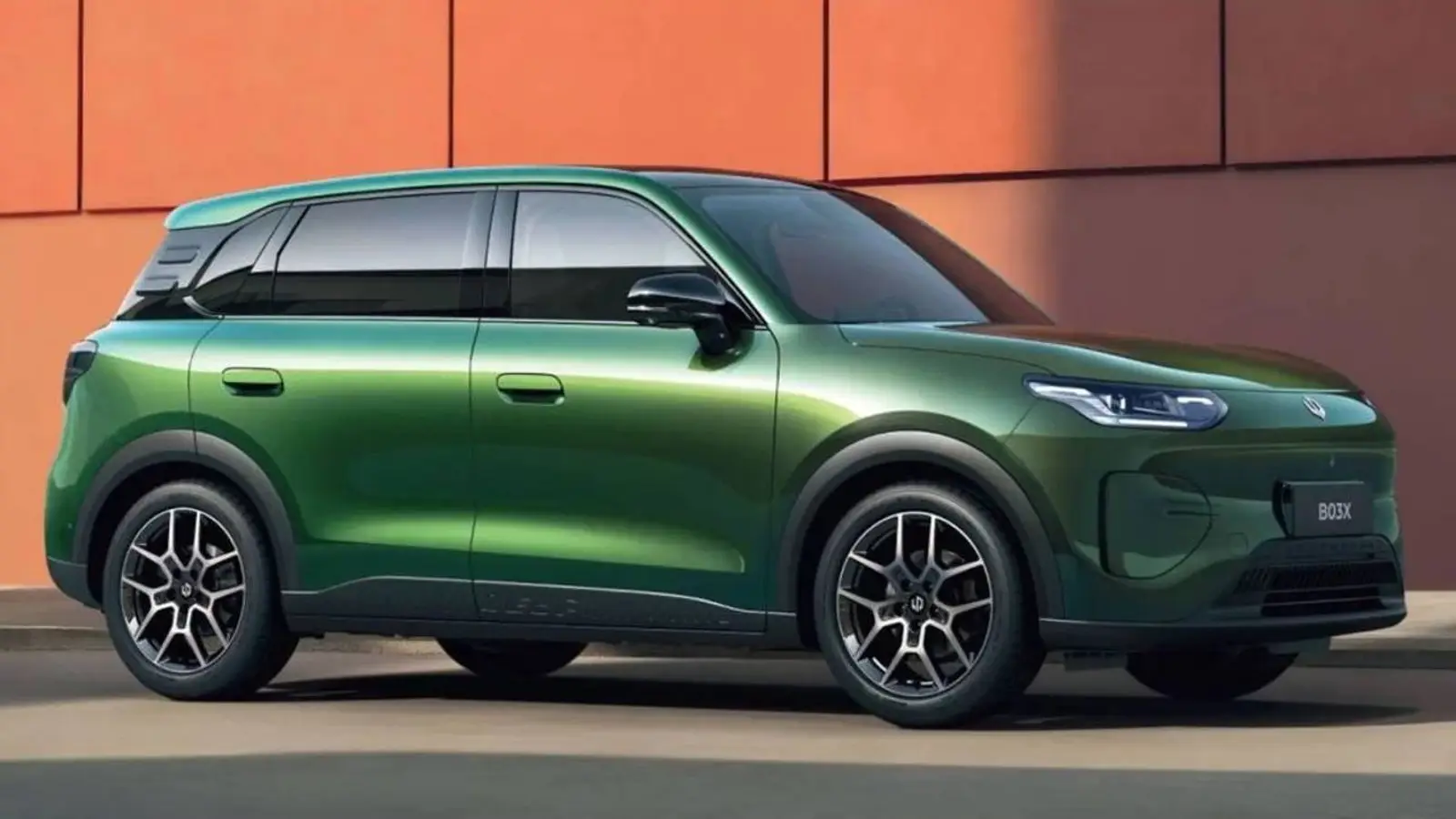
Chinese brand Leapmotor is heading for European production. The Stellantis plant in Villaverde, Madrid, will build two of its electric cars — the B03X and the B03, both pitched against the BYD Atto 2 and the Renault 5.
The B03X gets onto the line first, with assembly due to start in September 2027. The B03 hatchback follows in the first quarter of 2028. Both models were originally meant for the Figueruelas plant, but other projects took those slots: the Leapmotor B05 and B10, plus the future electric Opel Corsa and Peugeot 208 on the STLA Small platform.
For Villaverde this is effectively a lifeline. The site had been flagged as problematic — old, compact and hemmed in by the city, with little room to expand. On top of that, the next-generation Citroën C4 is moving to Morocco, leaving the Spanish plant’s future in the balance. Now it will be filled with Chinese EVs through Leapmotor International — the joint venture between Stellantis and Leapmotor for overseas markets, in which Stellantis holds 51%.
Cars built in Spain will be sold not only across Europe but also in Africa and the Middle East. For buyers, that means more affordable EVs with European assembly and shorter logistics chains. For Stellantis, it’s a way to keep the plant alive while shoring up its position in the budget EV segment, where European brands are finding it ever harder to compete with China.
If the B03 really does take on the Renault 5 and the B03X squares up to the BYD Atto 2, the bottom of the EV market is about to get a lot more crowded. Chinese brands are no longer just shipping cars into Europe — they’re starting to build them inside the market.
This English edition was prepared using AI translation under editorial oversight by SpeedMe. The original reporting is by Dmitry Novikov
Latest Stories