
P0420 fault code explained: causes, MOT risk and what to check first
 © RusPhotoBank
Topdon’s European network flags P0420 more than any other code. It signals low catalytic converter efficiency, but the real culprit can be something else entirely.
Author: Yulia Ivanchik
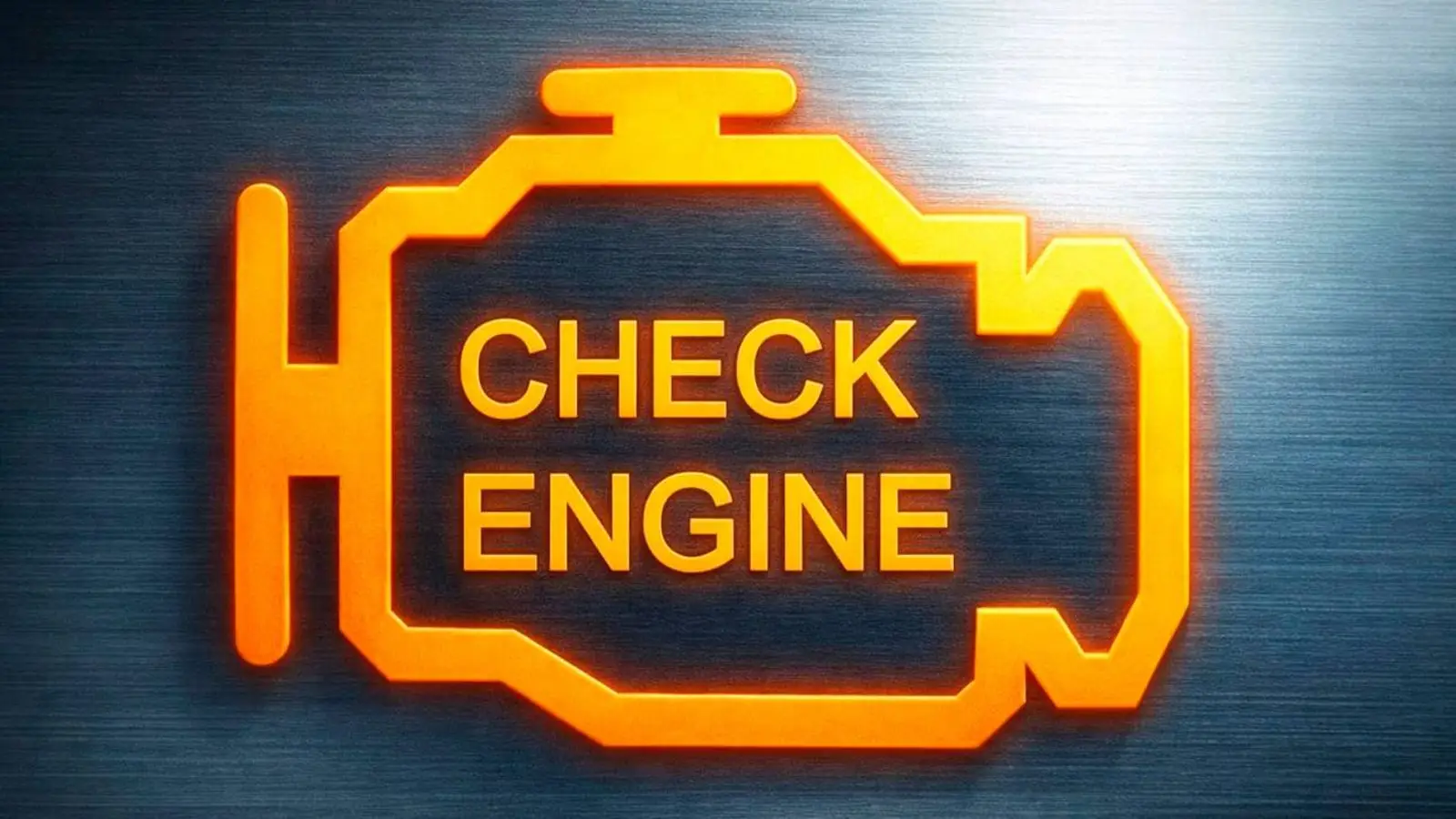
A lit-up Check Engine light doesn’t automatically mean a car needs a new catalytic converter. According to diagnostics company Topdon, the code “P0420” is the most common one across its European network, which covers more than 340,000 active sessions. The code means the engine control system is seeing reduced efficiency from the catalytic converter, but the actual cause can be a completely different part.
Among the possible causes, Topdon lists a worn-out catalyst, a faulty oxygen sensor, an exhaust leak and even the wrong grade of fuel. So P0420 is more of a starting point for diagnosis than a ready-made bill for an expensive replacement. Clearing the code with a scanner is technically possible, but the company advises identifying the actual source of the problem at a workshop first.
The code usually doesn’t signal an immediate driving hazard, but it shouldn’t be ignored either. If the fault persists, the car can emit more pollutants than its type approval allows and may fail an emissions test such as the UK’s MOT or Germany’s TÜV.” According to Topdon, P0420 turned out to be the most common code across every major European market covered by its network.
The main figure from the study isn’t a repair cost — it’s the 340,000 diagnostic sessions. That number shows how widespread the code is within Topdon’s own ecosystem, but it doesn’t prove P0420 is the most common fault for every car in Europe. For any individual vehicle, the sensible first step stays the same: read the code, check the sensor readings and the exhaust system, and only then decide what to do about the catalytic converter.
This English edition was prepared using AI translation under editorial oversight by SpeedMe. The original reporting is by Yulia Ivanchik
Latest Stories