
TPMS: how it works, why you shouldn’t turn it off, and what to do when the light comes on
 © A. Krivonosov
Learn how TPMS monitors tire pressure, why disabling it is unsafe, and what to do when the warning light comes on. Tips on recalibration and sensor faults.
Author: Boris Naumkin
The tire pressure monitoring system (TPMS) is now fitted to almost every car on the road, even many used ones. It watches the air pressure in your tires and alerts you if a wheel starts losing air. It sounds like an unquestionably useful feature, yet for many drivers it becomes a source of irritation—especially when the warning light glows without an obvious cause. So can you simply turn TPMS off? Technically, yes, but doing so is strongly discouraged.
What TPMS does
TPMS has been mandatory on all cars sold in the EU since 2014. The system tracks tire pressure and notifies the driver when it drops, helping prevent risky situations. Underinflation cuts grip, worsens handling and extends braking distances. It also raises fuel consumption and accelerates tire wear. Even when the warning appears to be a mistake, there is almost always a reason—either in the sensor or in the tire itself.
Can you switch the system off
Disabling TPMS is possible, but only through specialized equipment used by official dealers or certified workshops. Regular infotainment menus do not allow you to shut the sensors down completely—the light on the instrument cluster will simply keep blinking or stay on. Beyond that, tampering with the system can lead to warranty refusals and undermines safety.
What to do when the pressure light comes on
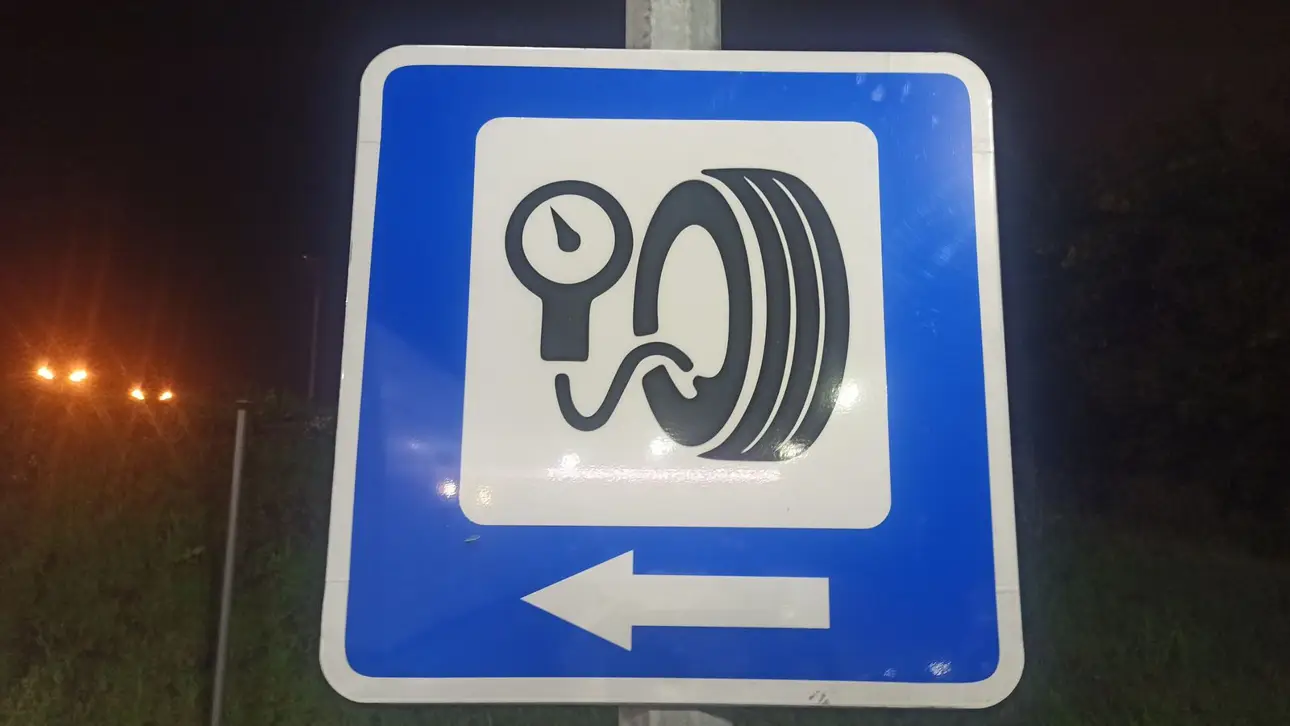
The yellow TPMS light does not require an immediate stop, but it should not be ignored. Pull over as soon as it is safe, take a look at the wheels and measure the pressure. If it is within spec, you can recalibrate the TPMS—most cars provide a dedicated button or a menu item in the infotainment system. Reset the warning only after checking the pressure; otherwise the system will quiet down only for a while.
Why TPMS triggers again
If the light returns after calibration, the sensor may be faulty or its battery may be flat. Such batteries typically last around 5–6 years or about 150,000 km. Sometimes a slick road can confuse the system—especially indirect setups that infer pressure from wheel speed. In any case, it is better to visit a tire shop, where each sensor and the overall condition of the tires can be checked.
Bottom line
Turning TPMS off is a bad and unsafe idea. The system safeguards not just the tires but the driver as well, warning about a deflating wheel before it becomes obvious. If the light trips often, check the pressure, inspect the sensors and, if needed, consult professionals. Maintaining the correct tire pressure remains one of the simplest, most effective ways to protect safety, fuel and money.
This English edition was prepared using AI translation under editorial oversight by SpeedMe. The original reporting is by Boris Naumkin
Latest Stories