Renault 5 2027: 44 and 56 kWh batteries and up to 500 km WLTP range
 © A. Krivonosov
Renault has confirmed a 36.5 kWh LFP battery for the Five, while 44 and 56 kWh packs for stronger Renault 5 versions remain unconfirmed reports.
Author: Polina Kotikova
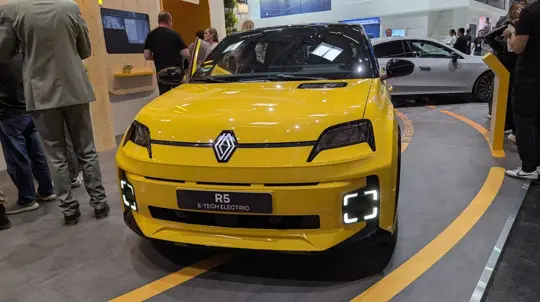
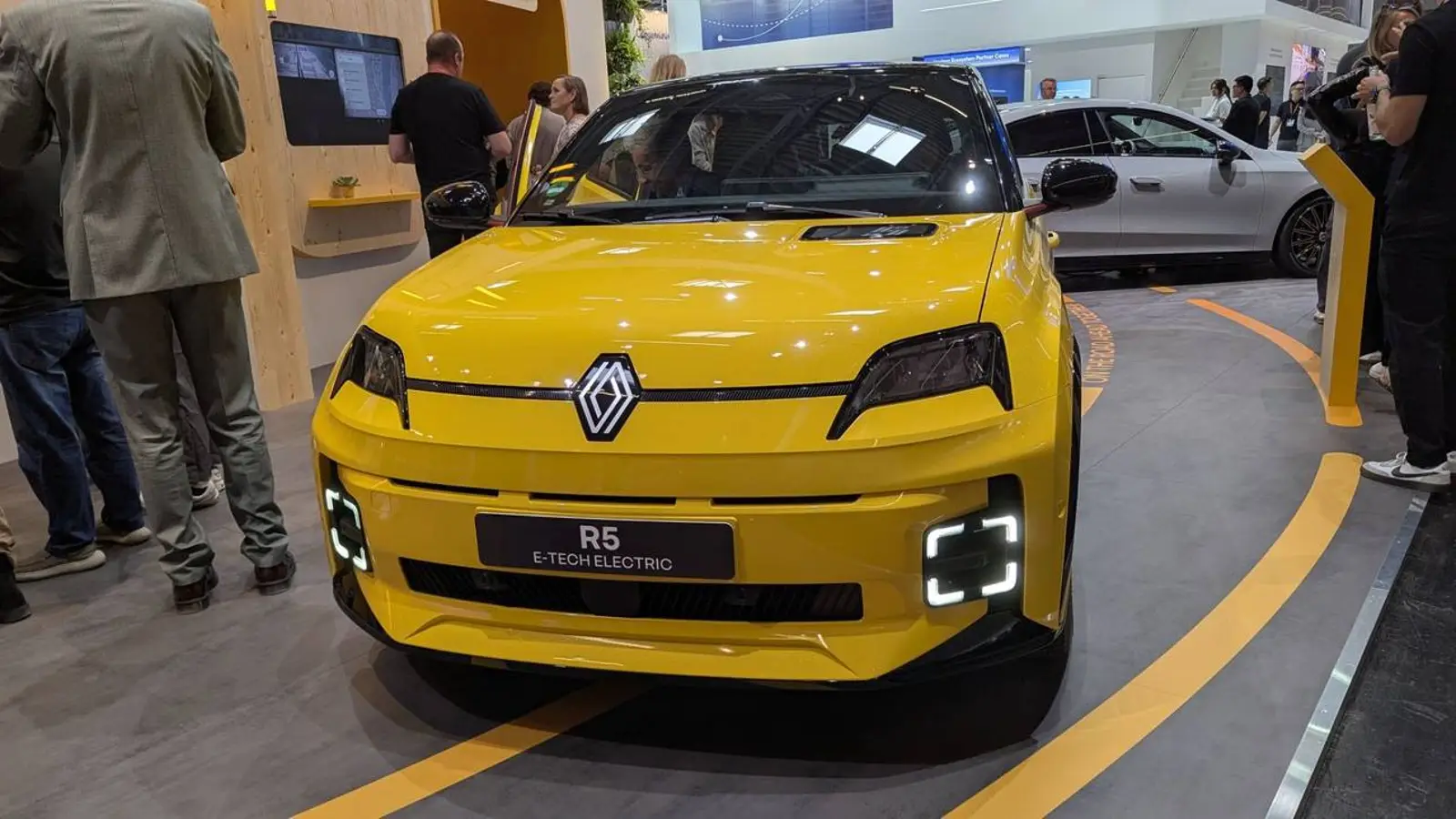
The Renault 5 could eventually be offered with three LFP battery sizes, although only one has been officially confirmed so far. Renault has already introduced the new Five with a 36.5 kWh battery, a 110 hp motor and up to 305 km of WLTP range. A new report now claims that the more powerful versions could also switch to LFP in 2027.
The mid-range R5 is said to be in line for a 44 kWh pack and more than 350 km of range, while the top version could receive 56 kWh and reach close to 500 km WLTP. More efficient electric motors are expected at the same time. If the information proves correct, this would be a more substantial change than the recent efficiency update: the current R5 officially tops out at 430 km.
There is, however, an important contradiction. L'Argus previously reported, citing internal documents and confirmation from Ampere, that the 56 kWh battery planned for the R5 and R4 would retain NMC chemistry and work with the new 6AK Evo motor. That combination is the one expected to bring the cars close to the 500 km mark. The claim of a 56 kWh LFP battery should therefore still be treated as a new, unconfirmed report rather than an announced change in Renault's plans.
The official part of the story is different. On 25 August Renault announced that the 40 and 52 kWh versions now deliver up to 315 and 430 km WLTP respectively, while the Five moves to a 36.5 kWh LFP battery and gains 80 kW DC fast charging. Previously cited figures of 321 and 431 km therefore no longer match Renault's current official data.
A move to larger LFP batteries is not technically implausible. Ampere previously announced Cell-to-Pack development for LG Energy Solution pouch cells: eliminating separate modules allows more cells and energy to fit into a given volume. The company estimated that combining LFP chemistry with Cell-to-Pack could cut battery costs by about 20%. Renault is already using similar chemistry in other updated EVs, with the Megane E-Tech receiving an LFP battery alongside a longer driving range.
The key question now is not whether 500 km is technically achievable, but which chemistry the top Renault 5 will actually use in 2027. Until Renault discloses the specification officially, the reported 44 and 56 kWh LFP variants should be regarded as preliminary.
This English edition was prepared using AI translation under editorial oversight by SpeedMe. The original reporting is by Polina Kotikova
Latest Stories