Tesla Robotaxi in Austin: operating hours, night detection and sensor limits
 © Tesla / tesla.com
Tesla extended Robotaxi service in Austin to 11 p.m. Musk says low-contrast animals remain a night-driving challenge, while NHTSA continues its FSD visibility investigation.
Author: Dmitry Novikov
Tesla has extended Robotaxi service in Austin by one hour, with rides now available until 11:00 p.m. instead of 10:00 p.m. Elon Musk said a key task before further expansion of night-time operations is safely detecting low-contrast animals, giving the example of “gray kittens on gray asphalt” in the dark.
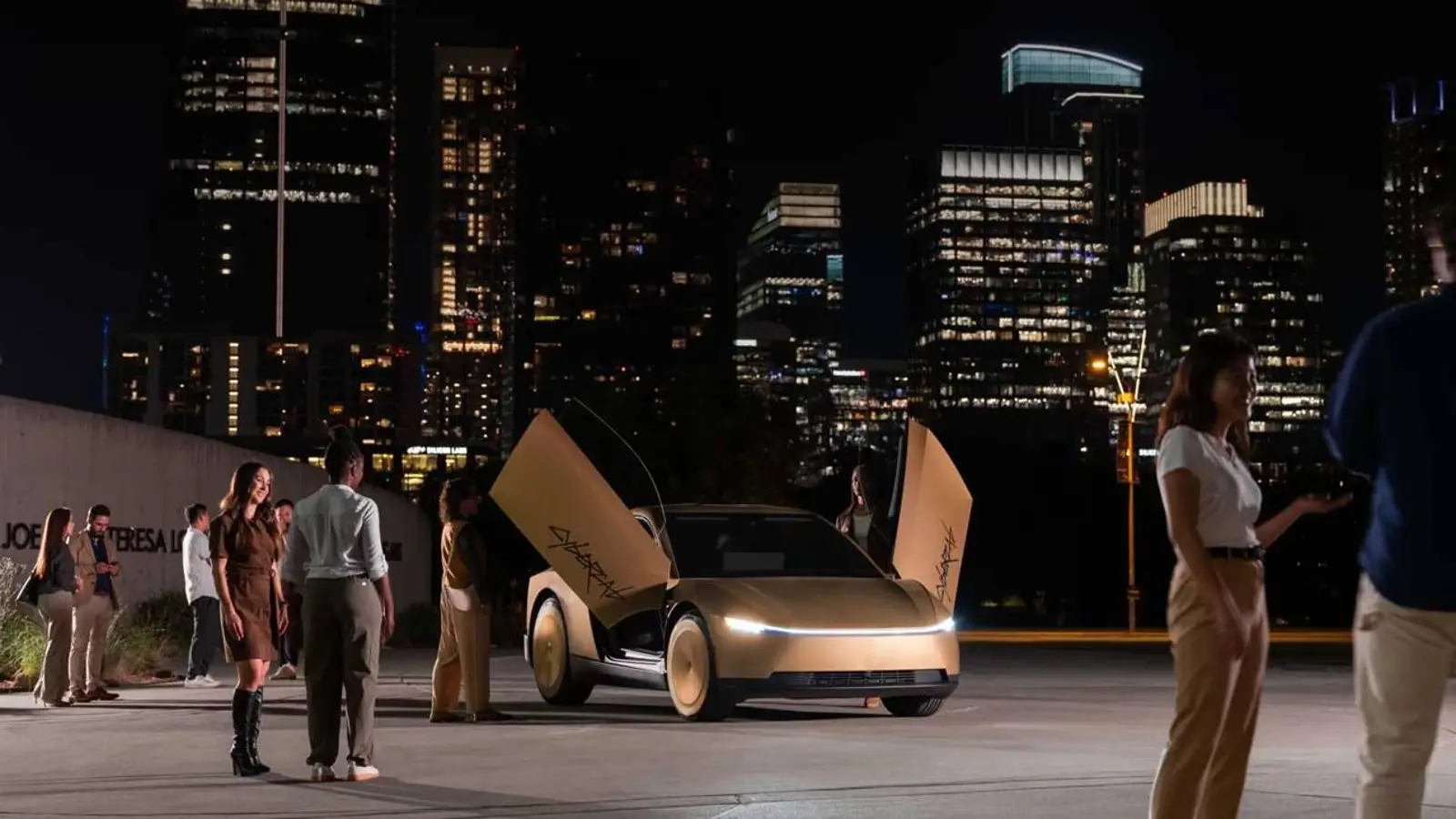
The comment again raises questions about the sensor set used for autonomous driving, but it does not mean Tesla has decided to adopt LiDAR. In its official Cybercab description, the company refers to cameras and other sensors without mentioning LiDAR. NHTSA, meanwhile, describes FSD on production Teslas as a system based on cameras and related software.
Waymo takes a different approach. Its sixth-generation system uses 13 cameras, four LiDAR units and six radars. The company says LiDAR uses laser light to create a three-dimensional view of the surroundings and works day and night, while radar can determine the distance, speed and size of objects under varying lighting and weather conditions.
Reduced visibility is not an issue limited to Robotaxi. NHTSA began investigating FSD in 2024 after crashes involving sun glare, fog and airborne dust, and on March 18, 2026, upgraded the case to Engineering Analysis EA26002. The review covers about 3.2 million Teslas and examines whether the system can recognize degraded visibility and warn the driver in time. It concerns FSD on customer vehicles, not the driverless Robotaxi service directly.
For now, the only confirmed change is that Robotaxi in Austin runs until 11:00 p.m. Musk did not give a date for the next extension in his latest comment. Tesla AI chief Ashok Elluswamy had said in September that 24/7 operation could follow the next stage of FSD v15 on a roughly one-month horizon, but Tesla has not announced a fixed launch date.
This English edition was prepared using AI translation under editorial oversight by SpeedMe. The original reporting is by Dmitry Novikov
Latest Stories