Cruise control and ACC problems: brake switch, radar dirt and diagnostic checks
 © B. Naumkin
Cruise control can stop working because of a brake or clutch switch, ABS faults, or a radar blocked by dirt or snow. Start with simple checks before replacing sensors.
Author: Boris Naumkin
Cruise control stops engaging, and expensive electronics often become the first suspect. But one of the quickest first checks is the brake lights. The brake-pedal signal tells the system to stop maintaining speed, so a faulty switch can continuously report that the driver is braking.
The check takes seconds: the brake lights should come on when the pedal is pressed and go fully off when it is released. If they do not illuminate, stay on, or behave intermittently, the pedal switch, fuse, power supply and wiring should be checked.
Working lamps do not completely clear the switch. On some vehicles it contains more than one electrical circuit. One operates the brake lights while another sends pedal information to electronic systems. Hyundai material published in the NHTSA database describes separate circuits for the brake lamps and cruise control, so the rear lights can work normally while the control unit receives the wrong pedal signal.
That is why looking at the rear lamps alone does not always eliminate the brake switch as a possible cause.
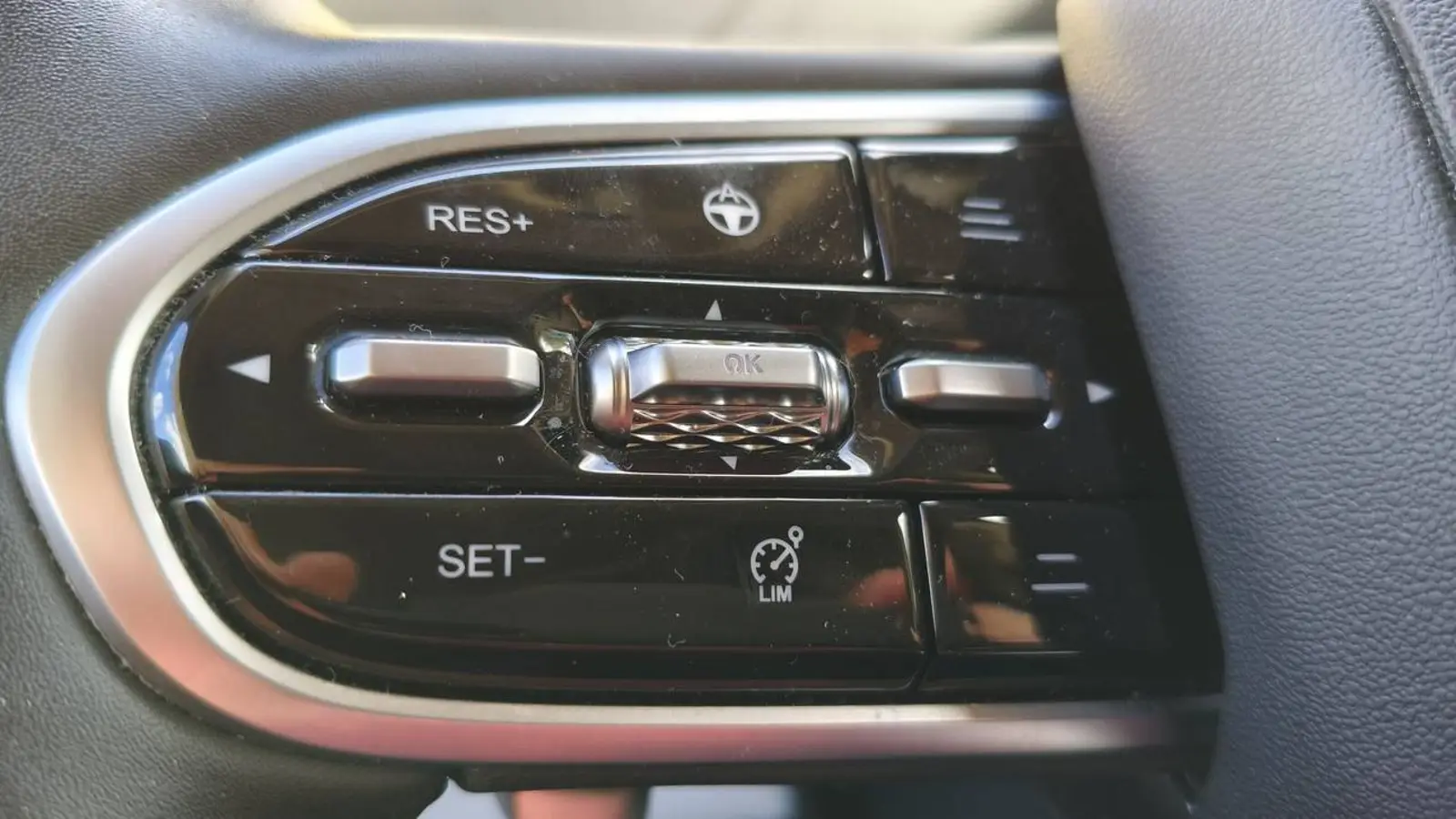
The operating logic of cruise control confirms the link. Honda owner manuals state that pressing the brake cancels speed control, while on cars with a manual transmission the clutch pedal can perform the same function. After a normal cancellation, many systems can resume the stored speed with the RES button.
The exact functions of RES and SET vary by vehicle, so the owner’s manual remains the correct reference.
On a manual-transmission car, the clutch switch therefore also belongs on the suspect list. If the electronics continuously see the pedal as pressed, cruise control may refuse to engage even when the main system components are intact.

The next clue is the instrument cluster. On some cars, faults in ABS, stability control, the powertrain or other related modules can temporarily disable cruise control. The exact logic varies by model: the assist system may be blocked if one of the signals it relies on is judged unreliable. Warning lamps and stored fault codes should therefore not be ignored.
Adaptive cruise control adds another group of possible causes: the radar and camera. Volkswagen states that ACC can become unavailable because of dirt, snow, ice, detergent residue or coatings on the radar. A number-plate frame, sticker or other object in front of the sensor can also interfere. Other listed causes include radar damage or misalignment after a front-end impact and body repairs.
So an “ACC unavailable” message after snowfall does not automatically mean a dead radar. Clean the sensor area specified by the manufacturer and the windscreen area in front of the camera if the system uses one, then restart the vehicle as instructed. If the warning disappears, that single episode is not a reason to replace the radar. If it returns or began after a crash, bumper repair or windscreen replacement, sensor position and any required calibration should be checked according to the model-specific procedure.
Conventional and adaptive cruise control are not the same system. Traditional cruise mainly holds a set speed, while ACC also monitors the vehicle ahead and adjusts following distance. Equipment and pricing can differ substantially by model and market.
If no external cause is found, the next step is computer diagnostics. A workshop should not merely read fault codes but inspect live data: what the control unit sees for brake and clutch signals, cruise-control buttons, individual wheel speeds, system permission status and ACC inhibit conditions. That is more useful than replacing parts on suspicion.
There is also a point where the issue stops being about convenience. If the brake lights fail, remain permanently on, or brake-system warnings appear at the same time, that fault must be addressed first. Restoring cruise control is secondary.
This English edition was prepared using AI translation under editorial oversight by SpeedMe. The original reporting is by Boris Naumkin
Latest Stories