
Air, oil, fuel and cabin filters: intervals, tips, risks
 © A. Krivonosov
Know when to replace air, oil, fuel and cabin filters. Cut fuel use, avoid costly engine wear, improve cabin air, and decide what to DIY vs leave to pros.
Author: Polina Kotikova
Car filters are the kind of parts many drivers remember only at the service bay, yet they directly affect engine longevity, the driver’s well-being, and even what you spend on fuel. Put off replacement, and you risk costly repairs—and in some cases, genuine safety concerns.
Air filter
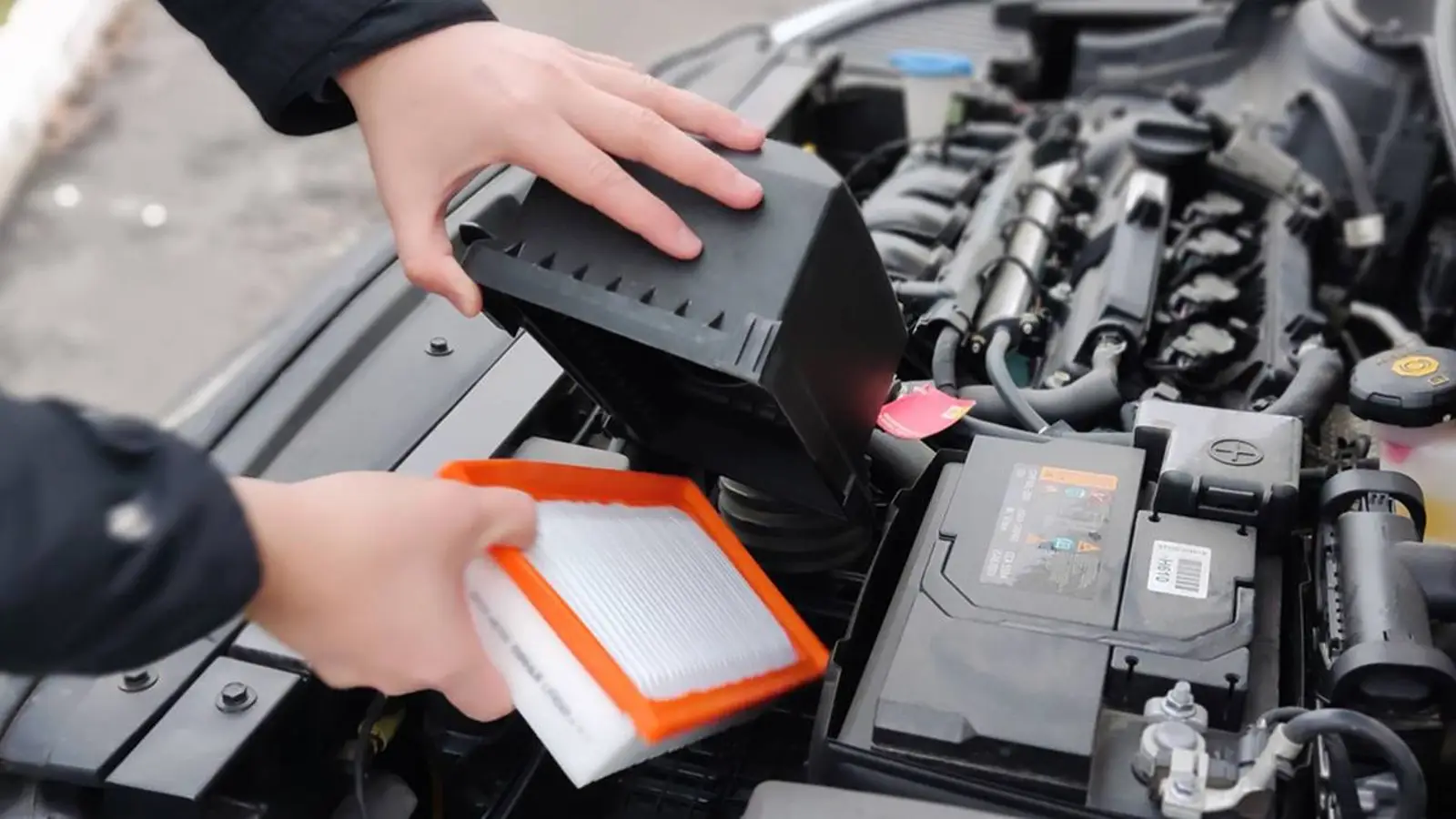
Experts at SPEEDME.RU note that the air filter is typically replaced every 15–20 thousand kilometers or once a year. In city traffic, it’s wiser to shorten that interval to 10–15 thousand. A dirty filter starves the engine of oxygen, the car starts to feel sluggish, and fuel consumption climbs by 10–15%. In everyday driving, that drop in response is hard to miss.
Oil filter
The oil filter is always changed together with the engine oil—every 7–10 thousand kilometers or once a year. Stretching the interval turns fresh lubricant into a grimy suspension, which accelerates wear on bearings and the piston group. In the worst case, the engine can seize.
Fuel filter
On gasoline engines, the fuel filter is designed for roughly 40–60 thousand kilometers; on diesels, 20–30 thousand. Filling up at questionable stations quickly ruins the element, and the engine may become hard to start, stall, or lose power. In a diesel, a clogged filter threatens injector failure—and that means a bill in the tens of thousands of rubles. It’s the kind of false economy that tends to backfire.
Cabin filter
The cabin filter looks after the air you and your passengers breathe. Replace it once a year or every 15 thousand kilometers, and even more often in big cities or if allergies are a concern. When it’s clogged, windows fog up, a musty smell appears, and the climate system becomes less effective—comfort drops fast.
Doing it yourself
You can easily swap the air and cabin filters yourself—plan on 10–20 minutes. But it’s better to leave oil and fuel filter replacements to professionals: without a lift and the right tools, it’s easy to slip up.
Regular filter changes are a small investment that extends engine life and makes every trip safer and more comfortable.
This English edition was prepared using AI translation under editorial oversight by SpeedMe. The original reporting is by Polina Kotikova
Latest Stories