Swiss Microlino microcar may move production to China amid EU subsidy gaps
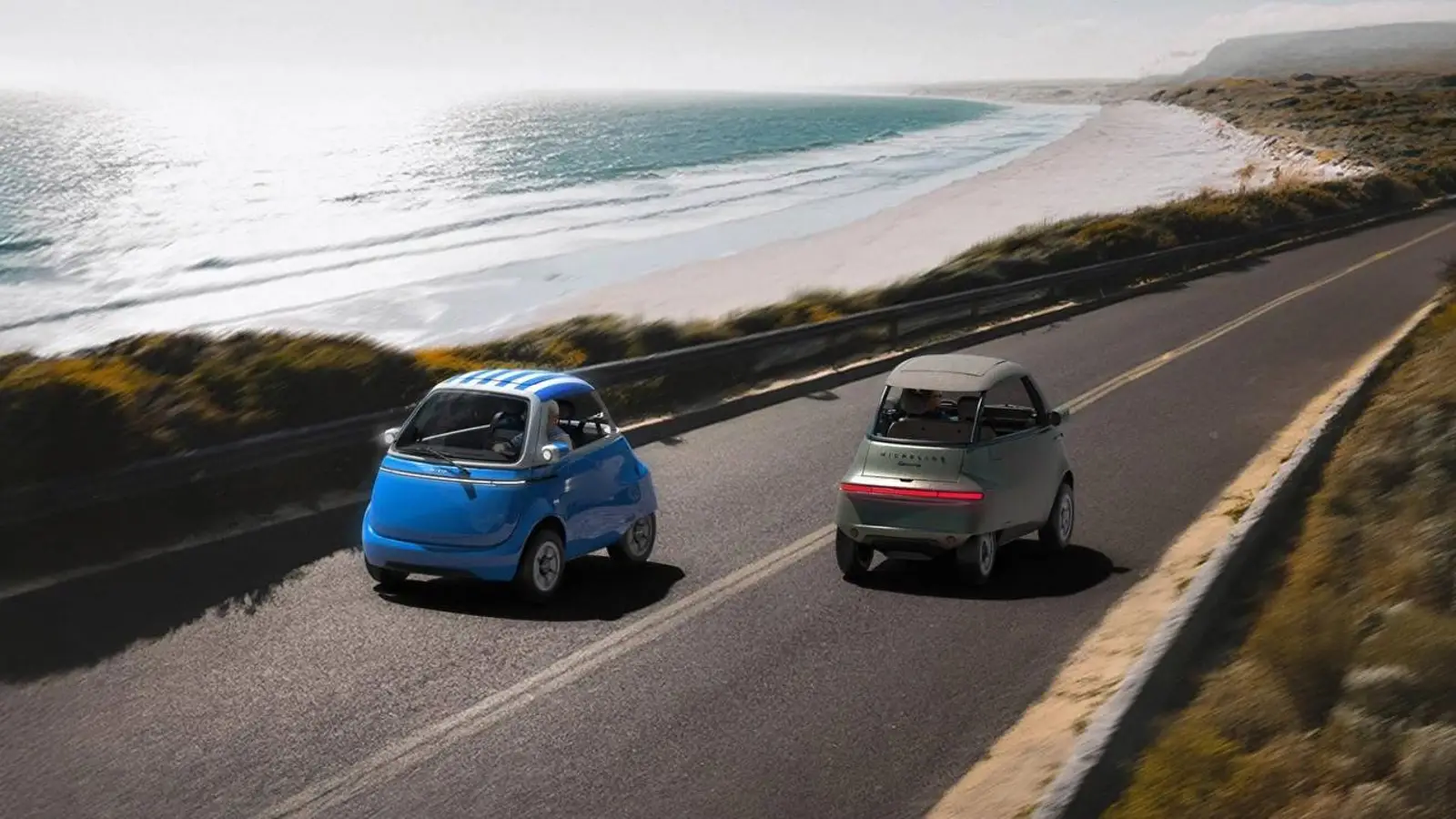 © microlino-car.com
Swiss microcar Microlino may shift to China as L7e EVs miss EU subsidies. Lower costs and investor interest could decide the urban EV's European future.
Author: Yulia Ivanchik
The Swiss microcar Microlino could soon be built in China. Micro Mobility Systems says that, without meaningful support from the European Union, manufacturing in Europe is becoming economically untenable.
The creators of the model—the Uboters—have poured around 70 million Swiss francs into the project and assembled nearly 4,800 units at an Italian plant. Yet lightweight L7e-class EVs like the Microlino do not qualify for subsidies or tax breaks that full-size models enjoy, a situation the company argues leaves small manufacturers at a disadvantage. The policy landscape effectively tilts the field toward larger, heavier cars, while nimble city runabouts are left on the margins.
By the company’s estimates, production in China would cost roughly half as much. There is also interest from Chinese investors who are ready to offer favorable terms. On paper, that arithmetic is hard to ignore.
The Microlino is sold in several versions, including a convertible and a Lite variant that does not require a driver’s license. The base model starts at 19,490 euros. With its compact footprint and attainable pricing, the Microlino is tailor-made for urban life—though its European future remains in doubt.
If manufacturing does shift east, it could keep the idea alive, even if it moves a distinctly European concept further from the streets that inspired it.
This English edition was prepared using AI translation under editorial oversight by SpeedMe. The original reporting is by Yulia Ivanchik
Latest Stories