Toyota patent reveals data-sharing system that pays drivers
 © A. Krivonosov
Toyota is developing a consent-based data-sharing system that pays drivers for useful trip data to train AI and improve safety and driver-assistance features.
Author: Polina Kotikova
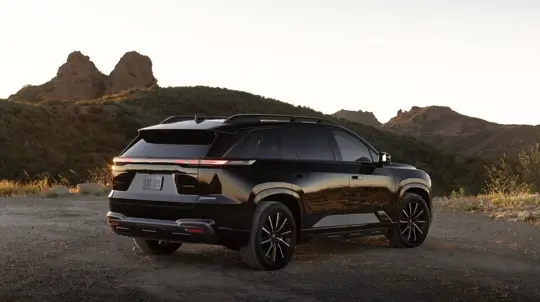
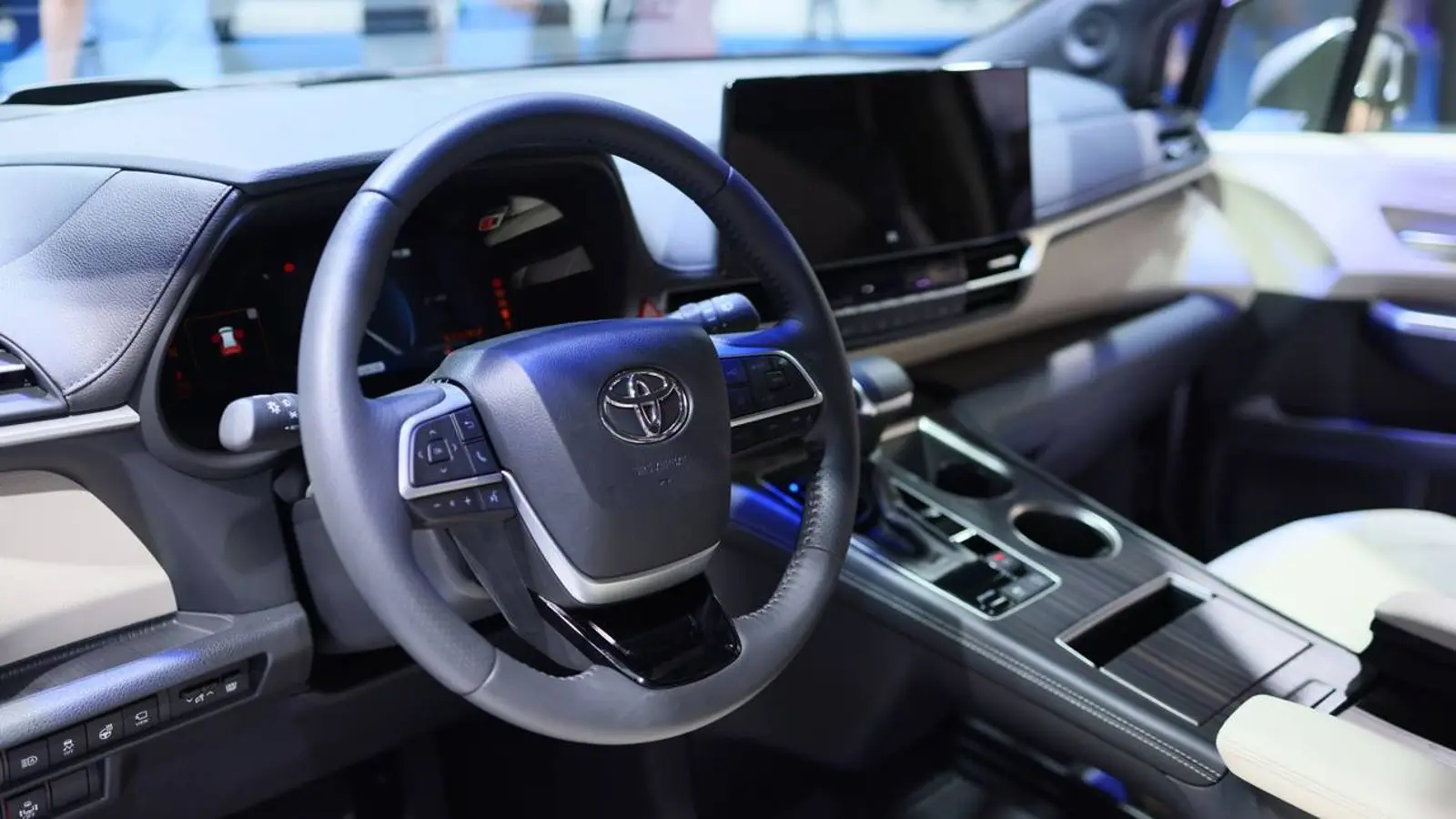
Toyota is preparing to introduce a new data-sharing system that lets vehicle owners earn money by contributing trip information. According to a patent listed on the USPTO website, the automaker has designed a platform that evaluates incoming data and pays the owner if the information is considered useful for training artificial intelligence or improving safety systems.
The system automatically checks the data, determines its value, and credits payment to the registered user. For example, logging a road incident—from encountering wildlife to hitting a pothole—could qualify for a payout. Toyota emphasizes that data collection happens only with the owner’s consent, and that permission can be enabled or revoked at any time.
The collected information will be used to train autonomous-driving algorithms and driver-assistance features. The initiative aims to make data exchange more transparent and could reshape attitudes toward personal telemetry: the driver shifts from a mere source of information to an active participant. Tying rewards to concrete events on the road feels like a practical incentive that fits the everyday realities of driving.
This English edition was prepared using AI translation under editorial oversight by SpeedMe. The original reporting is by Polina Kotikova
Latest Stories