Pickup trucks are status symbols now: what the data shows
 © A. Krivonosov
Research shows most pickup trucks rarely tow or haul, serving identity and leisure instead. Explore trends and rising pedestrian risks from bigger pickups.
Author: Diana Degtyareva
Modern pickups promise brawn, off-road grit, and the capacity for hard work, yet in practice most owners treat them like ordinary cars. Strategic Vision reports that 90% of drivers never tow a trailer or haul cargo, and nearly 40% use their pickups purely for enjoyment. The numbers paint a clear picture.
The researchers say the pickup has become part of personal identity: buyers choose these vehicles less for practicality and more for the image of strength and confidence they project. That shift is especially visible with compact and electric models such as the Ford Maverick and Rivian R1T, which more often serve leisure than labor.
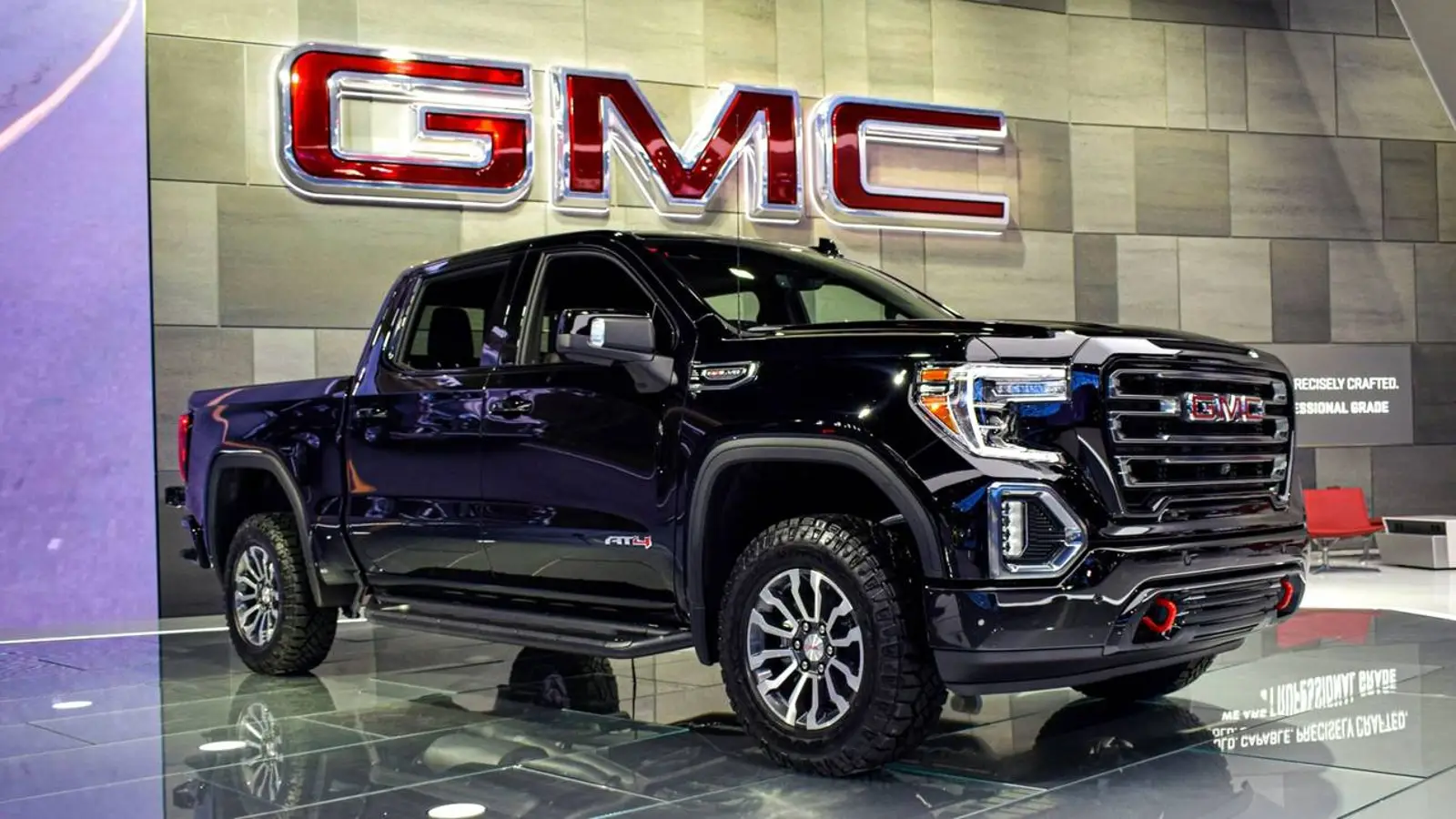
Even heavy-duty rigs like the GMC Sierra 2500, the study notes, are used for their intended purpose only occasionally. At the same time, the steady growth in pickup dimensions is increasing risks for people on foot: vehicles with tall hoods are 45% more likely to be involved in fatal pedestrian impacts.
In short, pickups are increasingly a symbol of status and personal freedom rather than a tool of trade. The question is whether society is paying too high a price for this appetite for power on wheels.
This English edition was prepared using AI translation under editorial oversight by SpeedMe. The original reporting is by Diana Degtyareva
Latest Stories