Premium EV demand collapses in the U.S.: Ford halts F-150 Lightning as buyers shift to affordable models
 © cadillac.com
With U.S. tax credits gone, premium EV sales slump: Ford pauses F-150 Lightning as Tesla and GM scale back; buyers pivot to $35-40k models and $30k pickups.
Author: Diana Degtyareva
The American market for high-end electric vehicles has gone into a sharp decline. After federal subsidies were canceled, sales of premium EVs slipped, with the steepest drop hitting models priced above $50–$60 thousand. Ford’s F-150 Lightning ended up in that group too: the company has halted production and won’t say whether the model will return to the line.
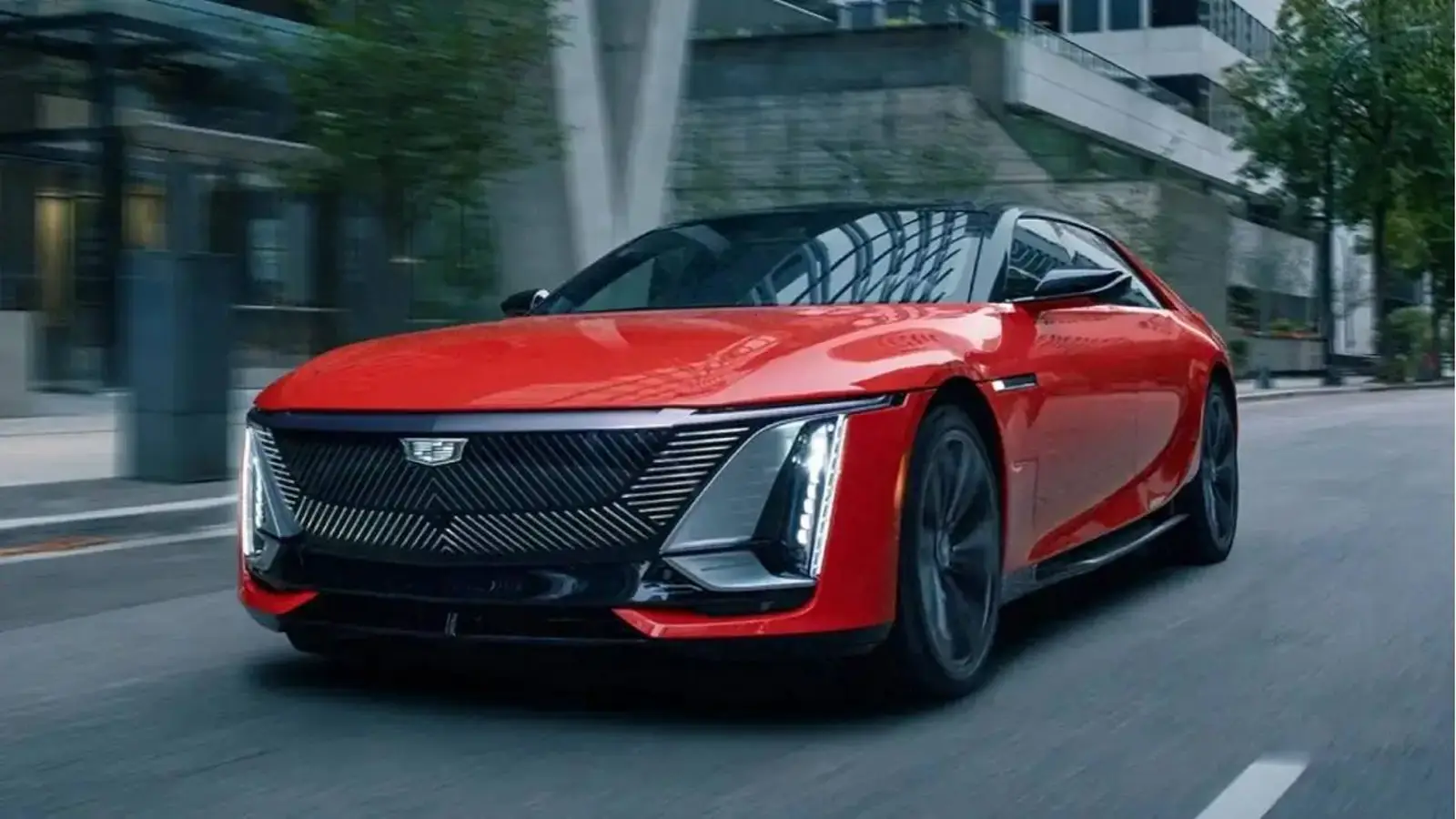
Other brands are facing similar headwinds. Tesla is trimming output of the Model S, Model X and Cybertruck; GM is easing off production of the Hummer EV and electric Cadillacs; and Mercedes is stopping deliveries of its expensive EVs to the U.S. The underlying reason is the same—demand cooled abruptly after the tax credit disappeared and tariffs increased.
Shoppers are clearly refocusing: instead of luxury EVs, they’re opting for more attainable models such as the Chevrolet Equinox and Hyundai Ioniq 5. Analysts note that the advantage now lies with vehicles priced up to $35–$40 thousand, where demand remains steady.
For automakers, it’s a tough but useful reset: pricey electric cars were generating heavy losses. The industry is now preparing a wave of budget-friendly models, including low-cost electric pickups. Ford says it plans to launch an electric pickup in 2027 at around $30 thousand—roughly half the price of the Lightning, a sign that pragmatism is starting to set the rhythm.
This English edition was prepared using AI translation under editorial oversight by SpeedMe. The original reporting is by Diana Degtyareva
Latest Stories