AI-driven structural batteries promise lighter, cheaper EVs
 © A. Krivonosov
RWTH Aachen unveils AI-enabled structural batteries for EVs, boosting energy density 10%+, specific energy 15%, cutting weight, costs and time-to-market.
Author: Dmitry Novikov
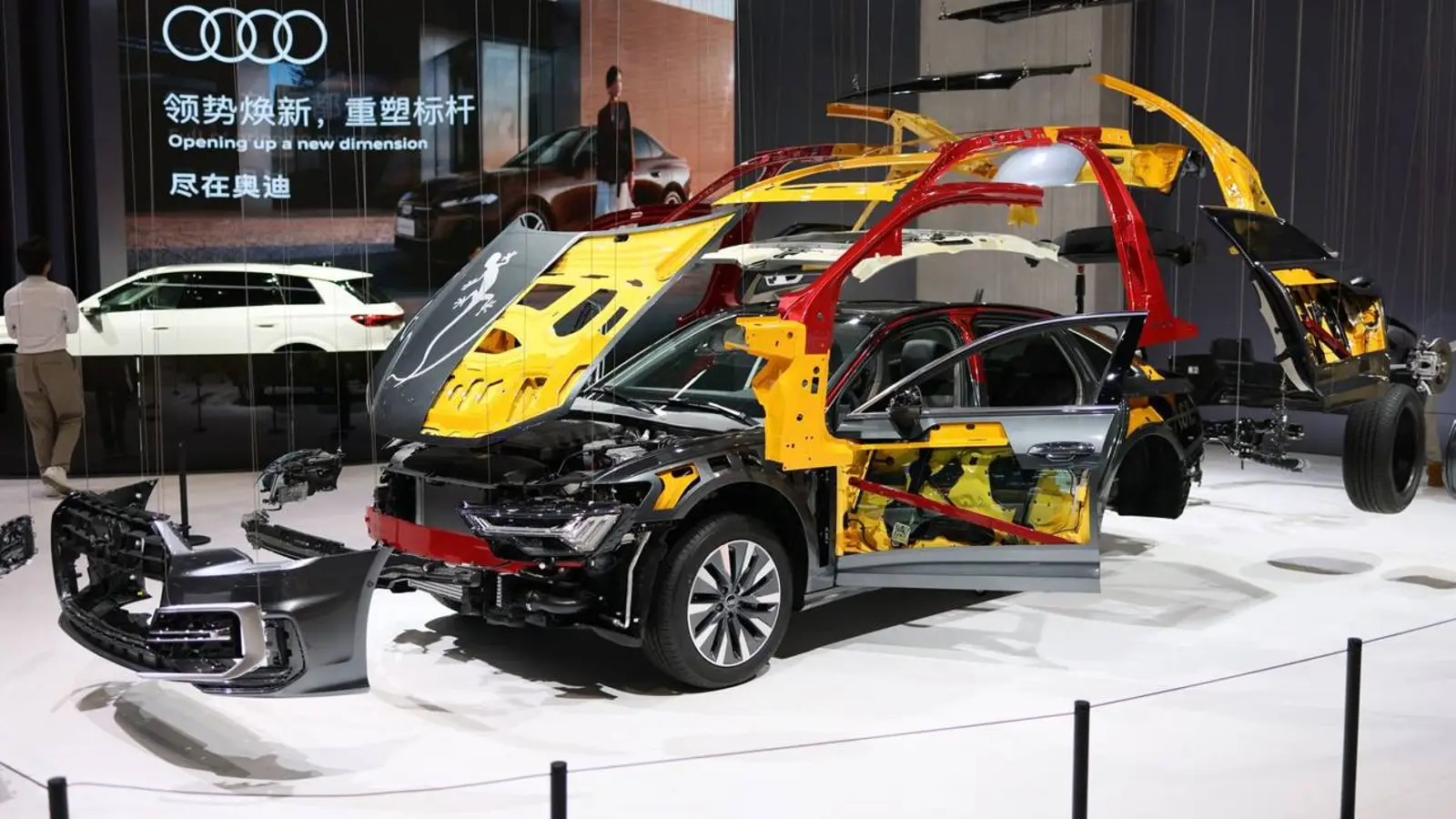
After three years of research, German scientists have unveiled a solution that could fundamentally reshape the electric-vehicle market. A team at RWTH Aachen has developed a new method for creating and validating structural batteries—units that become part of the vehicle body and replace the traditional modular pack. This approach boosts volumetric energy density by more than 10% and specific energy by 15%, while also cutting weight and production costs.
The breakthrough hinges on AI, digital twins, and a fresh architecture for integrating the battery into the chassis. Algorithms catch errors at the modeling stage, reducing the need for costly physical testing. As a result, development cycles speed up, prototype budgets shrink, and manufacturers can bring new technology to market sooner. For an industry constantly balancing range, mass, and expense, that acceleration matters.
The project was backed by Ford, Magna, TUV Rheinland, and Trumpf. The team built ten experimental body structures, where the system delivered lower mass alongside high strength. The researchers also developed new standards for safety testing and for integrating batteries into the vehicle’s structure.
The upshot is lighter, more efficient, and potentially more affordable electric cars. The German team believes such batteries could usher a new generation of EVs to market earlier than expected—an outcome that neatly aligns with what many automakers are hoping to achieve.
This English edition was prepared using AI translation under editorial oversight by SpeedMe. The original reporting is by Dmitry Novikov
Latest Stories