Volkswagen preps ID. Polo EREV fallback amid EV headwinds
 © B. Naumkin
Volkswagen weighs an EREV fallback for the ID. Polo, testing rear range-extender units on MEB Entry to meet EV headwinds and competition by Chinese brands.
Author: Polina Kotikova
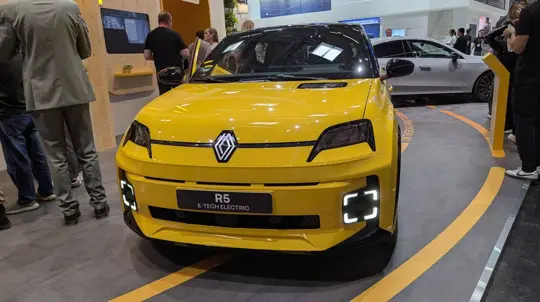
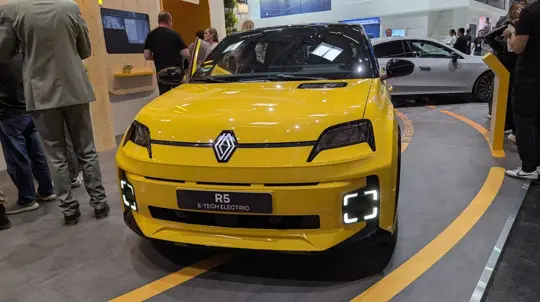
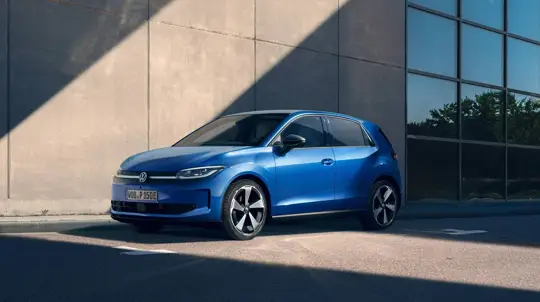
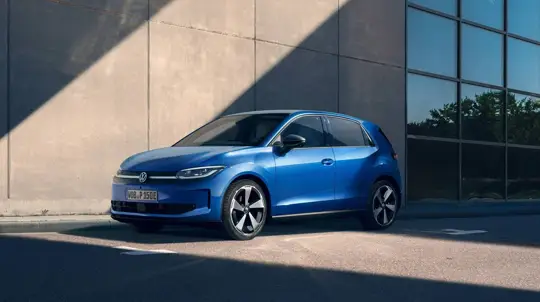
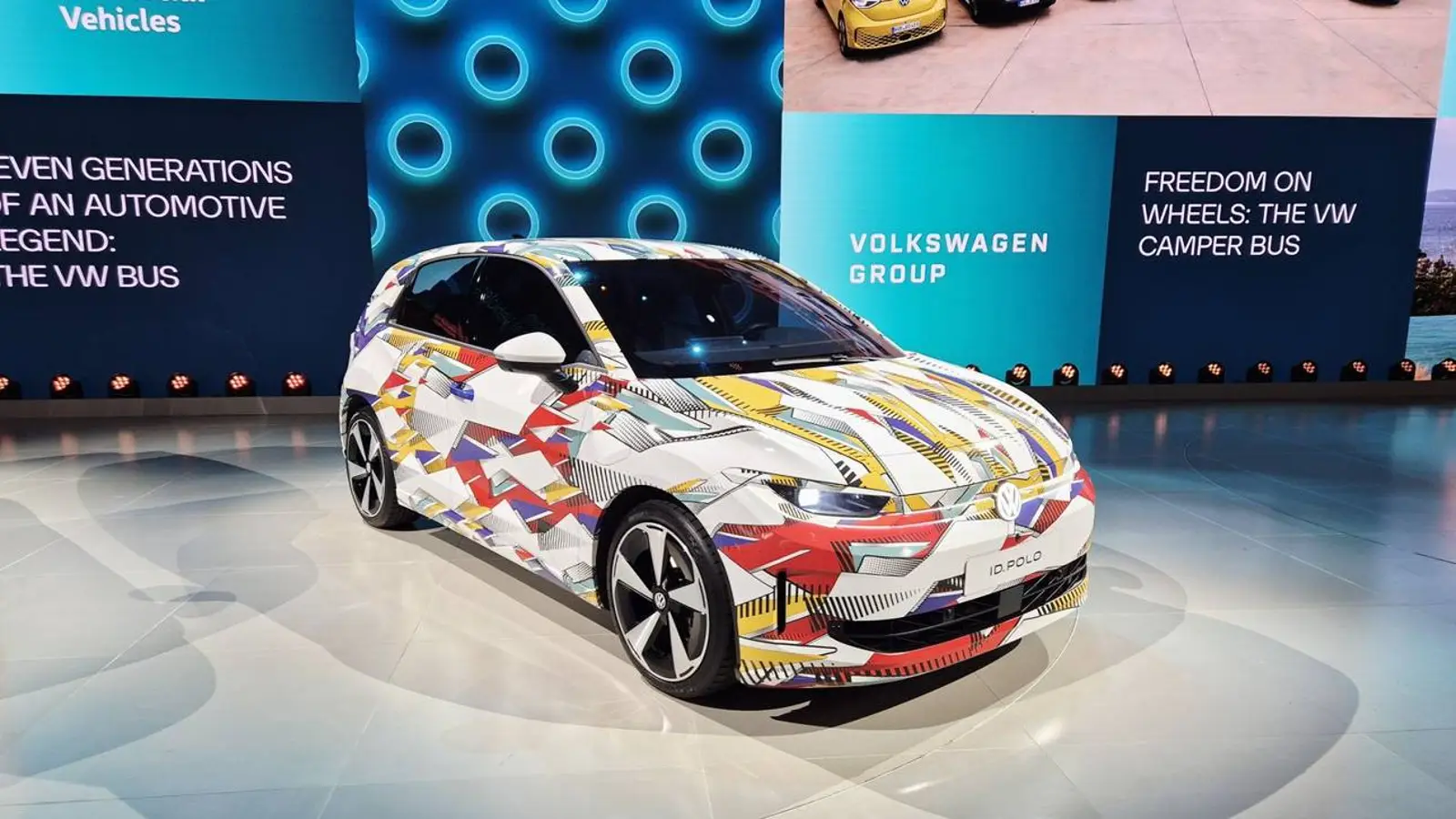
Volkswagen heads into 2026 with high hopes—and matching nerves. The new ID. Polo is meant to anchor the budget end of the EV market, yet inside the company unease is growing that sales might fall short of the investment. In Wolfsburg they know that keeping the electric ID. Polo alongside the gasoline Polo will inevitably work against the newcomer; internal overlap rarely helps a launch. The same tension surrounds the ID. Cross, which will have to battle the T-Cross and Taigo.
Volkswagen’s plan calls for combustion models to bow out by 2030, leaving only electric versions. But under strong pressure from Chinese brands and the momentum of extended-range EV technology, the company is quietly preparing a fallback it would rather not advertise. In Europe, two gasoline range-extender units are already on test—a two-cylinder 1.0 and a three-cylinder 1.5. The smaller unit is already installed on ID. Polo prototypes.
The MEB Entry platform allows a compact engine to sit at the rear. It doesn’t drive the wheels; it functions as a generator to recharge the battery, effectively turning the car into an EV with greater endurance. It’s a pragmatic hedge—an emergency option if the market swings away from pure electric models.
It remains unclear how Volkswagen will integrate a fuel tank or whether that will affect battery capacity. One thing, however, is evident: the brand is actively preparing an EREV configuration to keep its footing, a cautious move that feels justified given the current headwinds.
This English edition was prepared using AI translation under editorial oversight by SpeedMe. The original reporting is by Polina Kotikova
Latest Stories