Ten EVs exiting the U.S. market in 2026—and why
 © A. Krivonosov
Cooling demand, tariffs, and weak charging push automakers to cut 10 EVs in 2026, from Acura ZDX to Mercedes EQE/EQS, as hybrids regain focus in the U.S.
Author: Polina Kotikova
2026 is set to be a turning point for the electric-vehicle market: ten models are leaving dealerships. Cooling demand, patchy charging infrastructure, rising tariffs, and the rollback of subsidies have pushed automakers to rewrite their plans.
The first to face the axe is the Acura ZDX—an ambitious crossover on the Ultium platform that couldn’t sustain buyer interest. Nissan is pausing the Ariya due to weak U.S. sales and high duties, while premium brand Genesis is closing the Electrified G80 project after it never gained recognition.

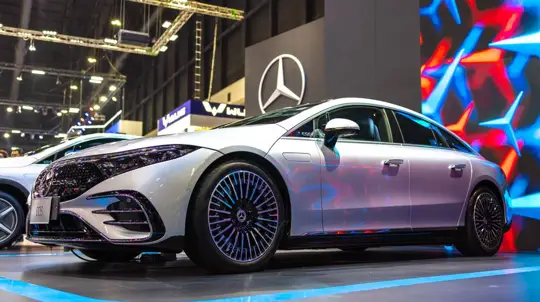
Mercedes-Benz is making major adjustments as well: the EQE and EQS sedans and crossovers are leaving the U.S. market after falling short of expectations. The EQB is also ending deliveries. Polestar 2 has been hit too—the model may be promising, but China-based production makes it unprofitable after higher tariffs.
The electric pickup segment hasn’t been spared: RAM canceled the 1500 REV before launch, shifting focus to a hybrid. Dodge is winding down work on the electric Charger Daytona Banshee, while Porsche is pushing its K1 flagship EV crossover back indefinitely. Rounding out the list, Maserati has dropped the MC20 Folgore—the electric version of its supercar no longer fits the company’s plans.
This reset doesn’t spell the end of EVs, but it shows carmakers are downgrading demand faster than governments revisit their environmental targets. The market is bracing for another round of strategy shifts, with hybrids moving back to center stage—and practicality quietly edging out ambition.
This English edition was prepared using AI translation under editorial oversight by SpeedMe. The original reporting is by Polina Kotikova
Latest Stories