Hongqi explores EU EV assembly as its European lineup grows
 © A. Krivonosov
Hongqi explores EU EV assembly to cut tariffs and costs, eyeing Spain and Eastern Europe. Read EHS5, EHS7 and E-HS9 specs, WLTP ranges and charging details.
Author: Dmitry Novikov
China’s Hongqi, once known chiefly for building executive cars for state use, is getting serious about Europe. After rolling out several models, the brand is weighing its next move: assembling electric cars inside the EU. That is less about image and more about math, since local production can soften the bite of European tariffs on Chinese-origin vehicles and keep pricing closer to what buyers here expect, even with expensive logistics.
Hongqi’s design chief Giles Taylor told Automotive News the company is exploring a factory site and is considering Scandinavia, Eastern Europe, and the south of the continent. In that context, Spain looks a natural fit: the EV market is expanding, infrastructure is catching up, and a strong push for renewables can improve both costs and the carbon footprint of manufacturing.
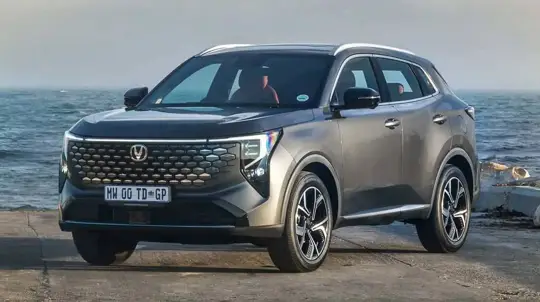
Meanwhile, the lineup is growing. Europe has already seen the EHS5, a mid-size electric SUV about 4.78 meters long that clearly targets the Tesla Model Y. The base version uses rear-wheel drive with around 252 hp and 380 Nm, while the all-wheel-drive variant reaches 707 hp and 780 Nm and is said to hit 100 km/h in 3.9 seconds. The spec sheet lists an 85 kWh LFP battery and up to 550 km of WLTP range, with fast charging from 10 to 80 percent in roughly 20 minutes. Above it sits the nearly five-meter EHS7 sedan with at least 344 hp, up to 600 km of range, and charging power up to 250 kW, while the flagship E-HS9 already serves as the brand’s showcase in Europe.
If Hongqi does switch on production in Europe, the brand becomes a far tougher rival: a Chinese cost base paired with local assembly could push a niche premium player into the mainstream. For the market, it is a telling signal—Chinese brands are no longer just sending cars; they are arriving to build industry. It would also test how ready European buyers are to embrace a new badge once supply, service, and pricing line up.
This English edition was prepared using AI translation under editorial oversight by SpeedMe. The original reporting is by Dmitry Novikov
Latest Stories