Honda’s Japan lineup shifts: CR-V e:HEV now built in Thailand
 © A. Krivonosov
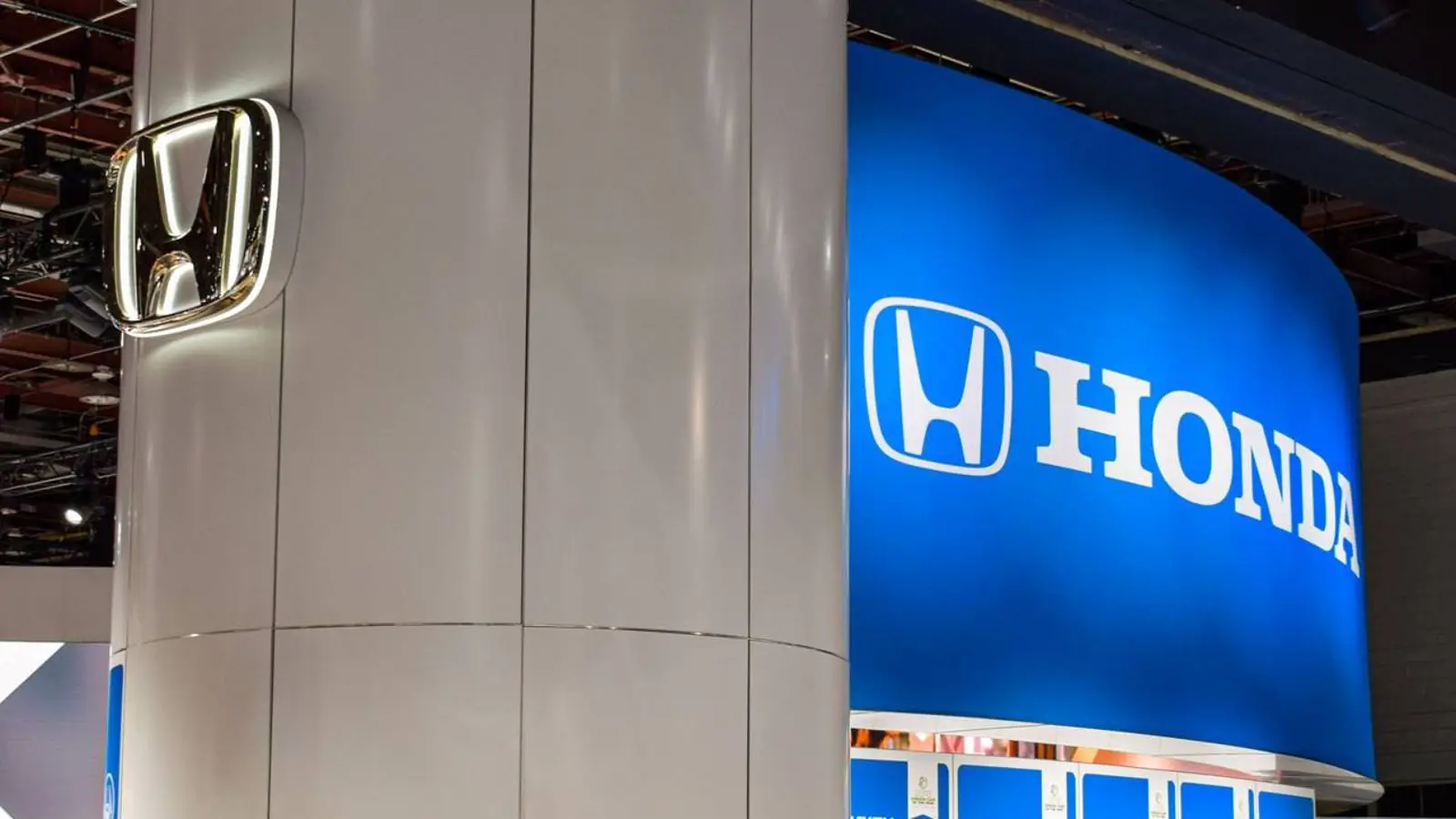
Honda brings the hybrid CR-V e:HEV to Japan as a reverse import from Thailand, highlighting a shift as more models in its lineup are built overseas for Japan.
Author: Diana Degtyareva
On its home turf, Honda is increasingly starting to resemble an importer—the latest example is the new CR-V e:HEV. The hybrid version of the flagship SUV for Japan is now built in Thailand and shipped in as reverse import. For fans of the model, that’s welcome news: for a long stretch, the current CR-V in Japan was effectively limited to the e:FCEV, prompting many to drop the crossover from their shopping lists. The choice has now widened, even if the manufacturing address is unexpected.
Crucially, the CR-V e:HEV isn’t an exception. The Japanese lineup already features the Odyssey assembled in China, the Accord from Thailand, and the WR-V from India. Even the CR-V carries dual origins: the e:FCEV comes from the United States, while the e:HEV arrives from Thailand. From the driver’s seat and in the details, these cars don’t feel like rough imports; quality and character remain distinctly Honda, and oversight stays tight, though some models can seem simpler by intent given their positioning.
According to SPEEDME.RU, Honda offers 19 passenger models for Japan, six of them kei cars that sensibly stay domestically produced. Among the other 13 regular passenger cars, roughly a third are imported—four models in total. For a global company, that approach looks pragmatic: build near production clusters and where costs run lower. For Japanese brand loyalists, however, it comes across almost like a change of era.
There was a time when Honda was proudly perceived as purely Japanese; today it’s much harder to tie the brand to a single country of origin.
This English edition was prepared using AI translation under editorial oversight by SpeedMe. The original reporting is by Diana Degtyareva
Latest Stories