The new hypercar frontier: electric titans and a 3,000-hp V10 rebel
 © automobili-pininfarina.com
Explore the hypercar shift to electrified power: 1,900-hp benchmarks, Battista, Nevera, Evija and Owl, plus hydrogen XP-1 and a 3,000-hp V10 outlier. Learn more.
Author: Dmitry Novikov
In recent years, the supercar world has pivoted sharply toward hypercars, where the currency that matters is outright power, electrification, and extreme aerodynamics. These machines remain nominally road-legal, built in limited batches, and priced like prime downtown real estate. But the era is defined by numbers: the 1,900-hp threshold no longer sounds fantastical; it reads like an entry ticket to the top tier.
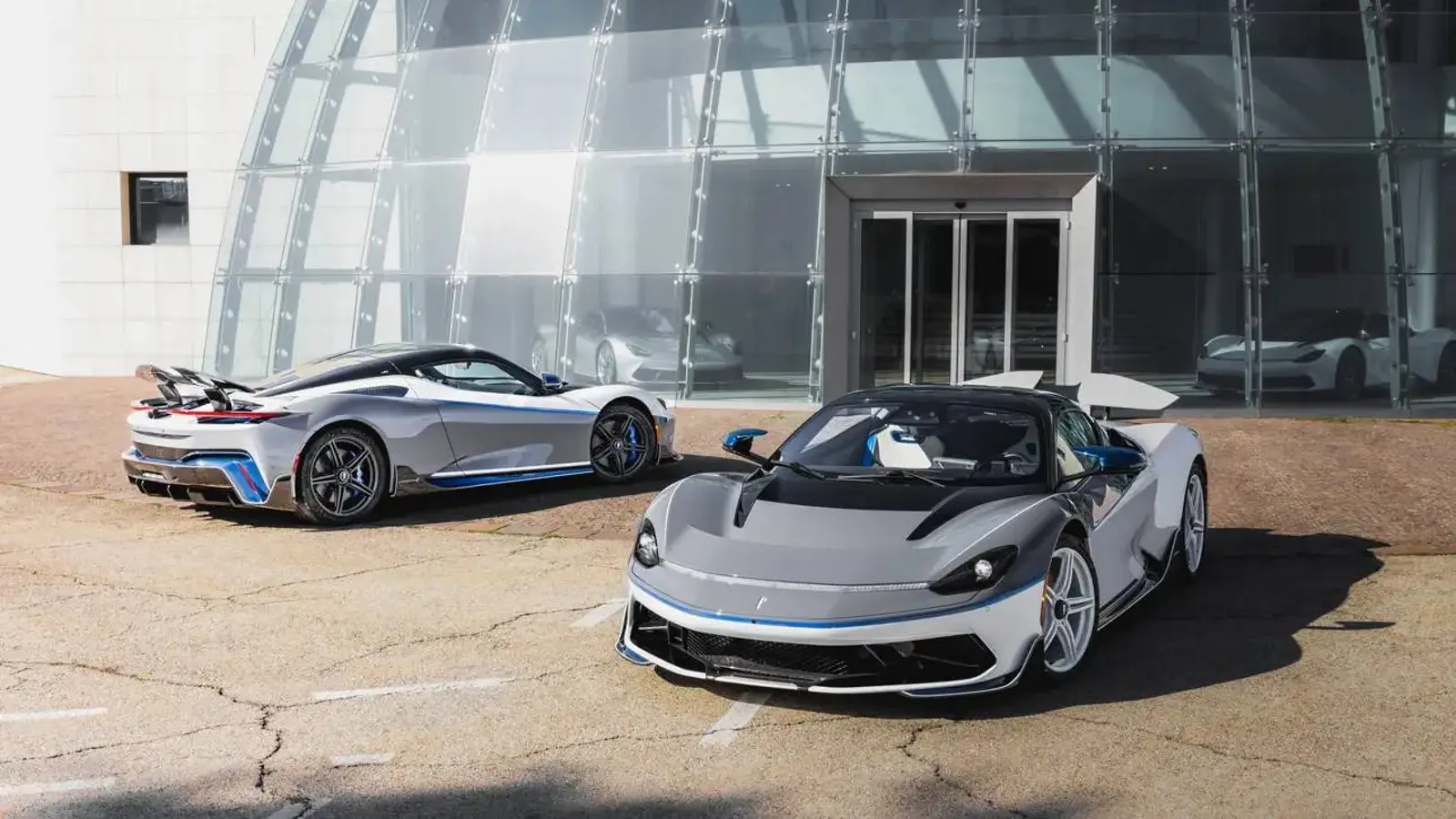
At the front of the pack sit all-electric projects. Pininfarina Battista, with about 1,900 hp and a 150-car run, is presented as a hypercar in a tailored suit: the claimed top speed is 358 km/h, and the sprint to 100 km/h is around 1.9 seconds. Technically close is the Rimac Nevera, slightly more powerful at 1,914 hp and likewise limited to 150 units, leaning on verified records and the sophistication of its platform. In the same league are the 2,000-hp Lotus Evija capped at 130 examples, and the Aspark Owl, whose electric “Owl” has been pushed to 2,012 hp in an especially tiny batch of 50 cars.
There is also a strand of hypercars built around singular ideas. Hyperion XP-1 adopts hydrogen fuel cells and puts the spotlight on range that is vast for the segment, while the Deus Vayanne is framed as a global collaboration where Austrian engineering, Italian design, and British technology converge in one car.
The loudest exception to the electric mainstream is SP Automotive Chaos. This gasoline-fueled ultracar uses a twin-turbo V10 with a claimed output above 3,000 hp, throwing down a gauntlet to the trend of “silent speed.”
This English edition was prepared using AI translation under editorial oversight by SpeedMe. The original reporting is by Dmitry Novikov
Latest Stories