BMW iX3 and the iDrive X shift: why buttons are disappearing
 © A. Krivonosov
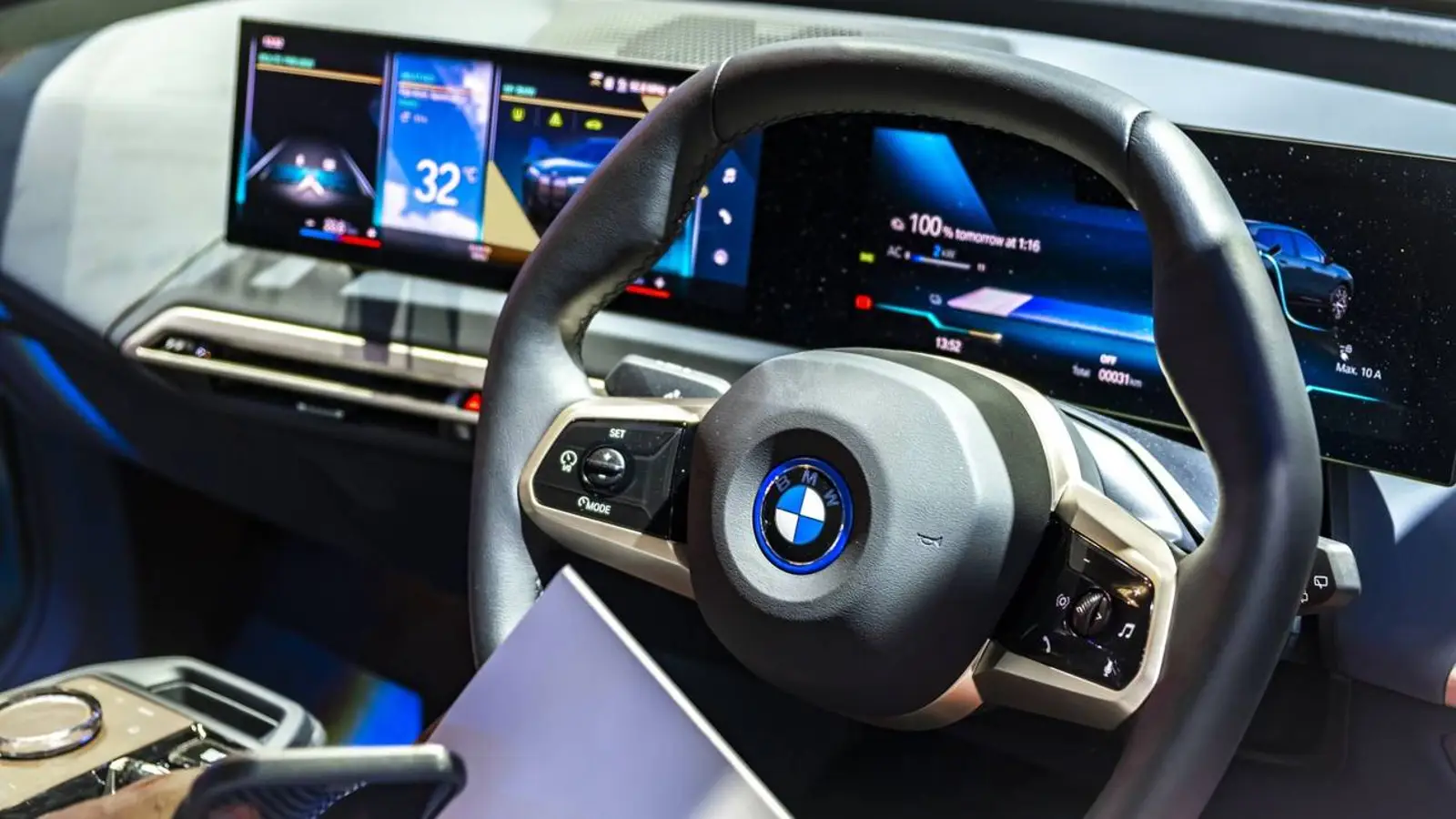
BMW's new iX3 pushes iDrive X toward a touch-first cabin, dropping the rotary controller and moving key functions to the screen. Buttons vs screens, safety, UX.
Author: Polina Kotikova
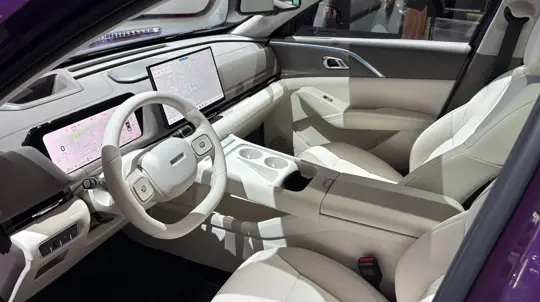
BMW has been disarmingly frank about a debate that has divided drivers for years: buttons versus screens—and inside the company, it says, the discussion is just as heated. The catalyst is the new iX3, which pushes iDrive X’s minimalist approach further: a large central display takes on almost every function as familiar controls steadily disappear. Even the signature iDrive rotary controller, once a byword for BMW convenience, yields to a pure touchscreen in the latest iX3.
Engineers acknowledge the flip side of that progress. The logic is straightforward: the longer it takes to find the right command on a screen, the longer eyes are off the road and the greater the risk. A display is convenient for updates and flexible interface tweaks, but when basic tasks like climate control or directing airflow move behind glass, the conversation shifts from flashy tech to habit and safety. In everyday driving, a single tactile shortcut often proves quicker than a beautifully designed submenu—a small nuance that tends to matter more than brochures imply.
Even so, BMW is not going to extremes: some physical buttons and the steering-column stalks remain for now. Yet the iX3’s cabin template, judging by the brand’s plans, is set to underpin dozens of new or refreshed models through the end of 2027.
This English edition was prepared using AI translation under editorial oversight by SpeedMe. The original reporting is by Polina Kotikova
Latest Stories