GM shutters Cruise robotaxis, pivots to consumer autonomy
GM ends Cruise robotaxi push to boost Super Cruise for consumers
GM shutters Cruise robotaxis, pivots to consumer autonomy
GM shuts its Cruise robotaxi effort, refocusing on expanding Super Cruise for consumer cars, as rivals like Waymo pursue fully driverless services in 2025.
2025-12-06T15:14:33+03:00
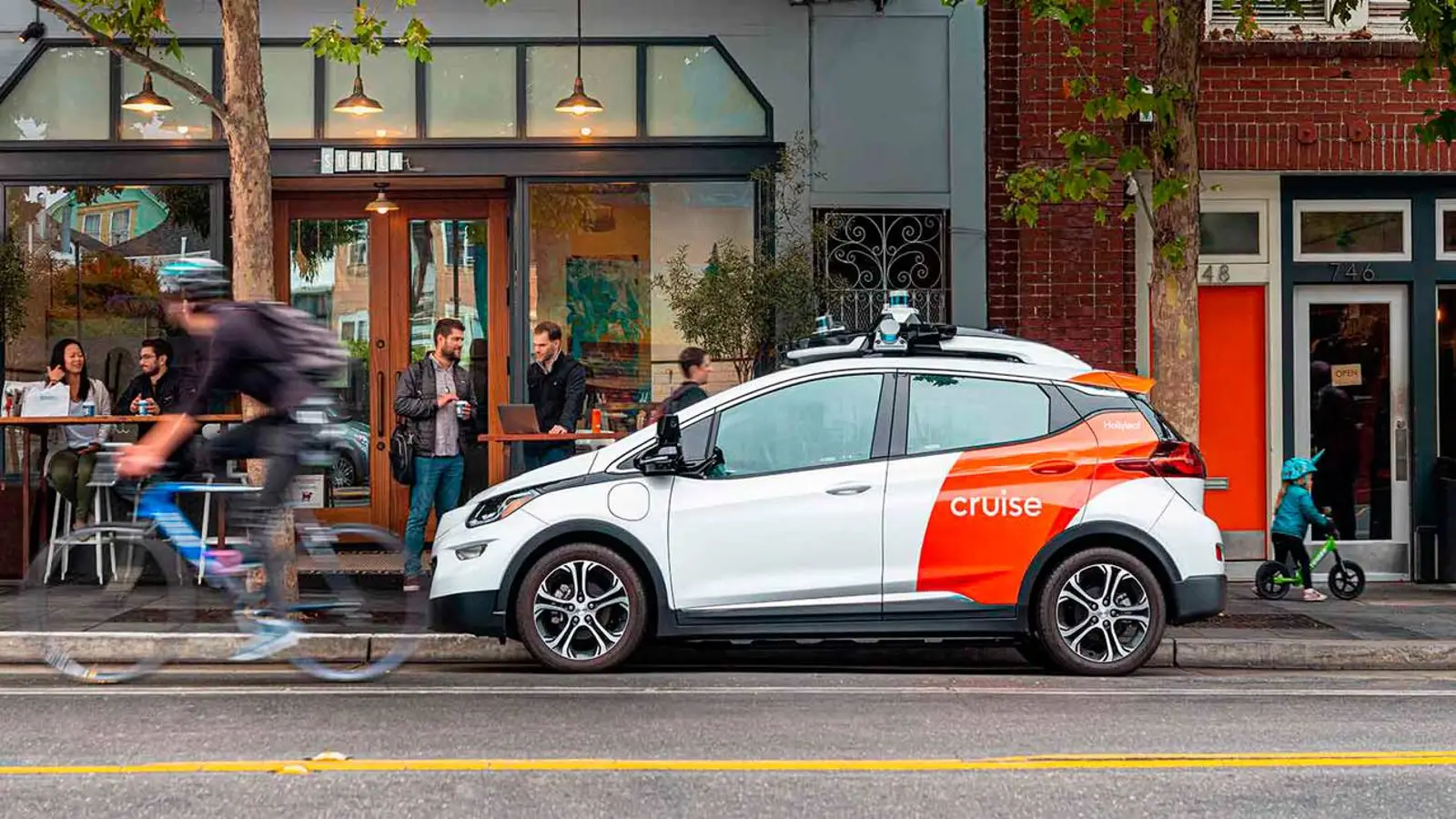
General Motors has wound down its Cruise robotaxi program and is reallocating resources to autonomous driving systems for regular production cars. Over nine years, the company spent $12.1 billion on Cruise: the total includes a $1 billion acquisition, annual outlays ranging from $600 million to $2.7 billion, and a sharp cut in 2025 to $400 million. The shift reads as a pragmatic pivot toward tech that can reach everyday drivers sooner.Despite closing the program, GM keeps access to the trove of data and engineering know-how it amassed. Around a thousand Cruise employees were laid off, while roughly another thousand moved to the Super Cruise division, which develops the brand’s semi-autonomous system. GM intends to broaden its capabilities and route coverage, focusing squarely on consumer models—a direction that tends to deliver more immediate, tangible gains behind the wheel.Production of the driverless Cruise Origin has also been halted, with completed vehicles kept in storage. Meanwhile, other companies, including Waymo, continue to report success advancing their robotaxi efforts, underscoring how the industry is splitting between fully driverless services and ever-more capable driver-assistance suites.
General Motors, GM, Cruise, robotaxi, Super Cruise, autonomous driving, driver-assistance, consumer cars, layoffs, investment, Waymo, Origin, self-driving, pivot, strategy, AV market
2025
Michael Powers
news
GM ends Cruise robotaxi push to boost Super Cruise for consumers
GM shuts its Cruise robotaxi effort, refocusing on expanding Super Cruise for consumer cars, as rivals like Waymo pursue fully driverless services in 2025.
Michael Powers, Editor
General Motors has wound down its Cruise robotaxi program and is reallocating resources to autonomous driving systems for regular production cars. Over nine years, the company spent $12.1 billion on Cruise: the total includes a $1 billion acquisition, annual outlays ranging from $600 million to $2.7 billion, and a sharp cut in 2025 to $400 million. The shift reads as a pragmatic pivot toward tech that can reach everyday drivers sooner.
Despite closing the program, GM keeps access to the trove of data and engineering know-how it amassed. Around a thousand Cruise employees were laid off, while roughly another thousand moved to the Super Cruise division, which develops the brand’s semi-autonomous system. GM intends to broaden its capabilities and route coverage, focusing squarely on consumer models—a direction that tends to deliver more immediate, tangible gains behind the wheel.
Production of the driverless Cruise Origin has also been halted, with completed vehicles kept in storage. Meanwhile, other companies, including Waymo, continue to report success advancing their robotaxi efforts, underscoring how the industry is splitting between fully driverless services and ever-more capable driver-assistance suites.