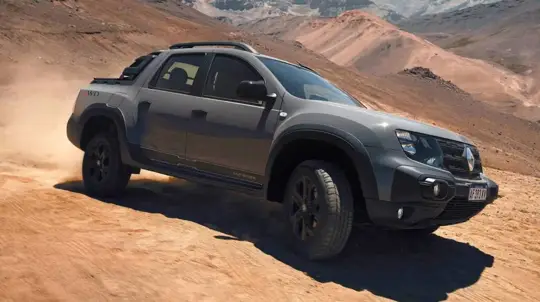
Rivian's roadmap to hands-free autonomy and driverless cars
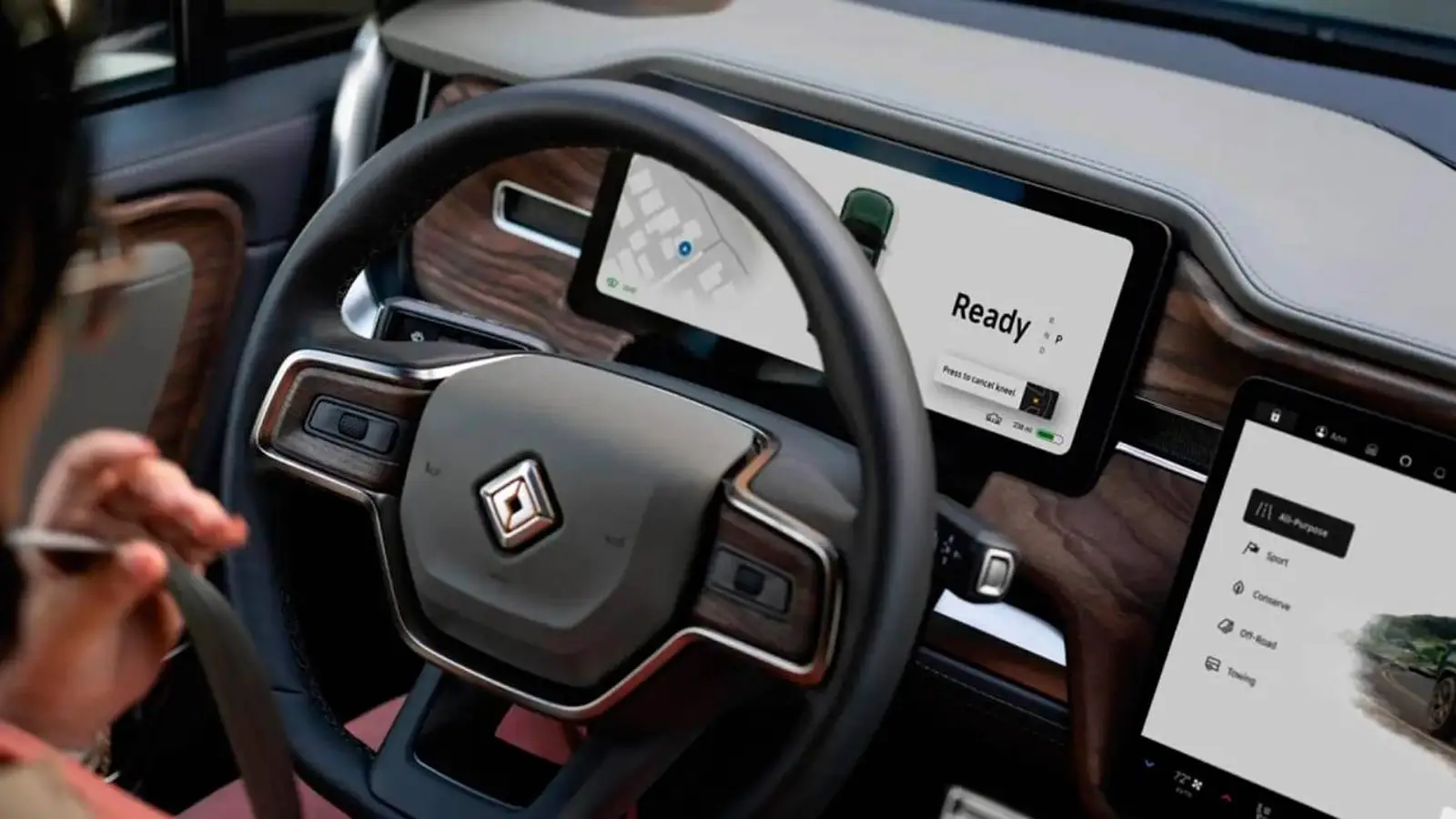 © media.rivian.com
Rivian CEO R.J. Scaringe outlines a path from hands-free driving to driverless vehicles by 2030, with AI advances. Details coming at Autonomy and AI Day.
Author: Yulia Ivanchik
Rivian CEO R.J. Scaringe said the company aims to push its self-driving technology to a new level by the end of the decade. He explained that after introducing a hands-free-everywhere mode and point-to-point navigation, the next step would be a system that no longer needs driver involvement. Scaringe also indicated that a stage where a person doesn’t even need to be in the car could arrive before 2030. The timeline sounds bold yet in tune with how quickly the field is moving.
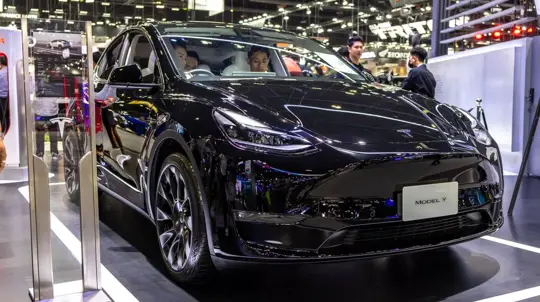
For now, autonomous options remain limited: Waymo runs driverless rides in several cities, while systems from Tesla and GM still require human supervision. Rapid progress in AI is accelerating the creation of more adaptable software that can operate in tougher, less predictable conditions. The challenge, as always, is turning promising lab results into consistent performance on real streets.
Rivian plans to detail its strategy at an Autonomy and AI Day. Interest in these technologies is rising, and automakers are working to bring them into mainstream models, making autonomy one of the headline themes at auto shows. The race is clearly shifting from showpiece demos to solutions that can scale.
This English edition was prepared using AI translation under editorial oversight by SpeedMe. The original reporting is by Yulia Ivanchik
Latest Stories