Volkswagen Group refocuses on Europe as U.S. tariffs and China competition bite
 © A. Krivonosov
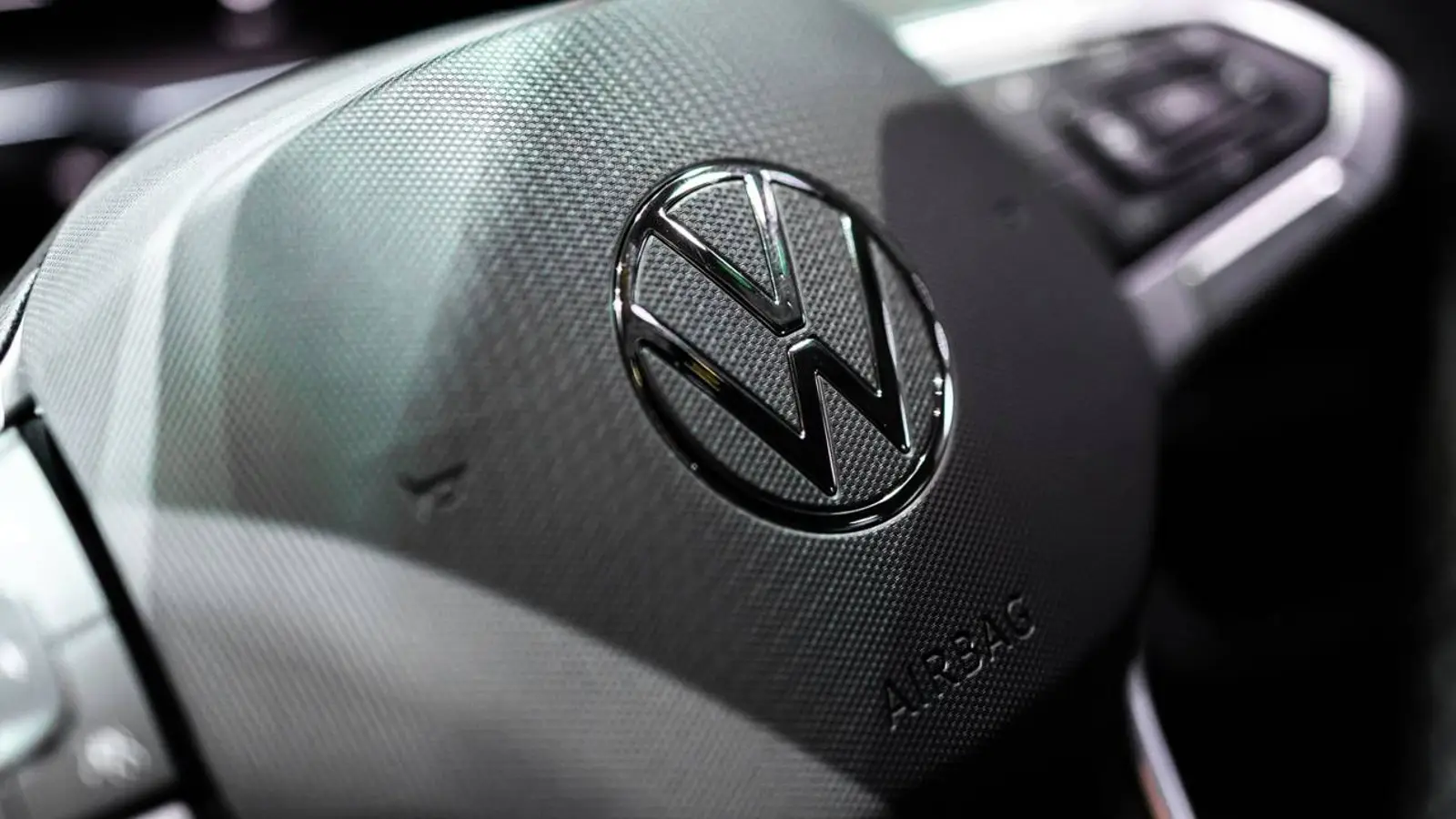
Volkswagen Group adopts a €160bn plan through 2030, shifting focus to Europe as U.S. tariffs and China rivals squeeze margins for Audi and Porsche. Read more.
Author: Diana Degtyareva
Volkswagen Group is reworking its strategy in the face of an uncomfortable reality: the two key markets, the United States and China, have become more crowded and more expensive. According to Reuters, the company plans to invest 160 billion euros through 2030, a sign of a more cautious course. Earlier multi‑year plans were more generous, and 2024 has been the peak year for spending. The tone at Europe’s largest automaker has shifted—less grand expansion, more emphasis on resilience and clear priorities. It reads like a pivot to pragmatism.
CEO Oliver Blume puts the change plainly: the new plan focuses on Germany and Europe—on products, technology, and infrastructure at home. That is both a signal to production sites and a response to external pressure: U.S. tariffs and fierce competition in China are squeezing margins across the group. Porsche has felt it the most, with roughly half of its sales coming from the U.S. and China, and the premium brand is already dialing back parts of its earlier electrification push.
The open question is Audi in the United States. A local plant is under consideration, but it depends on whether Washington provides substantial financial support. In China, Blume does not expect Porsche to grow, though he allows for deeper localization within the group and even the idea of a Porsche tailored to the local market at some later point. That dependency on incentives says a lot about how decisively public policy now guides where carmakers place their bets.
This English edition was prepared using AI translation under editorial oversight by SpeedMe. The original reporting is by Diana Degtyareva
Latest Stories