Your car is a computer: connected-car telemetry and privacy
 © A. Krivonosov
Modern connected cars act like smartphones, collecting telemetry, location and usage data. What's collected, why it matters, and how to set privacy controls.
Author: Dmitry Novikov
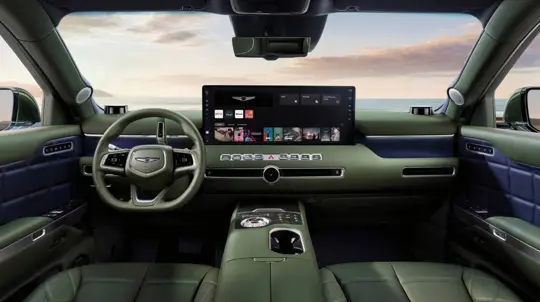
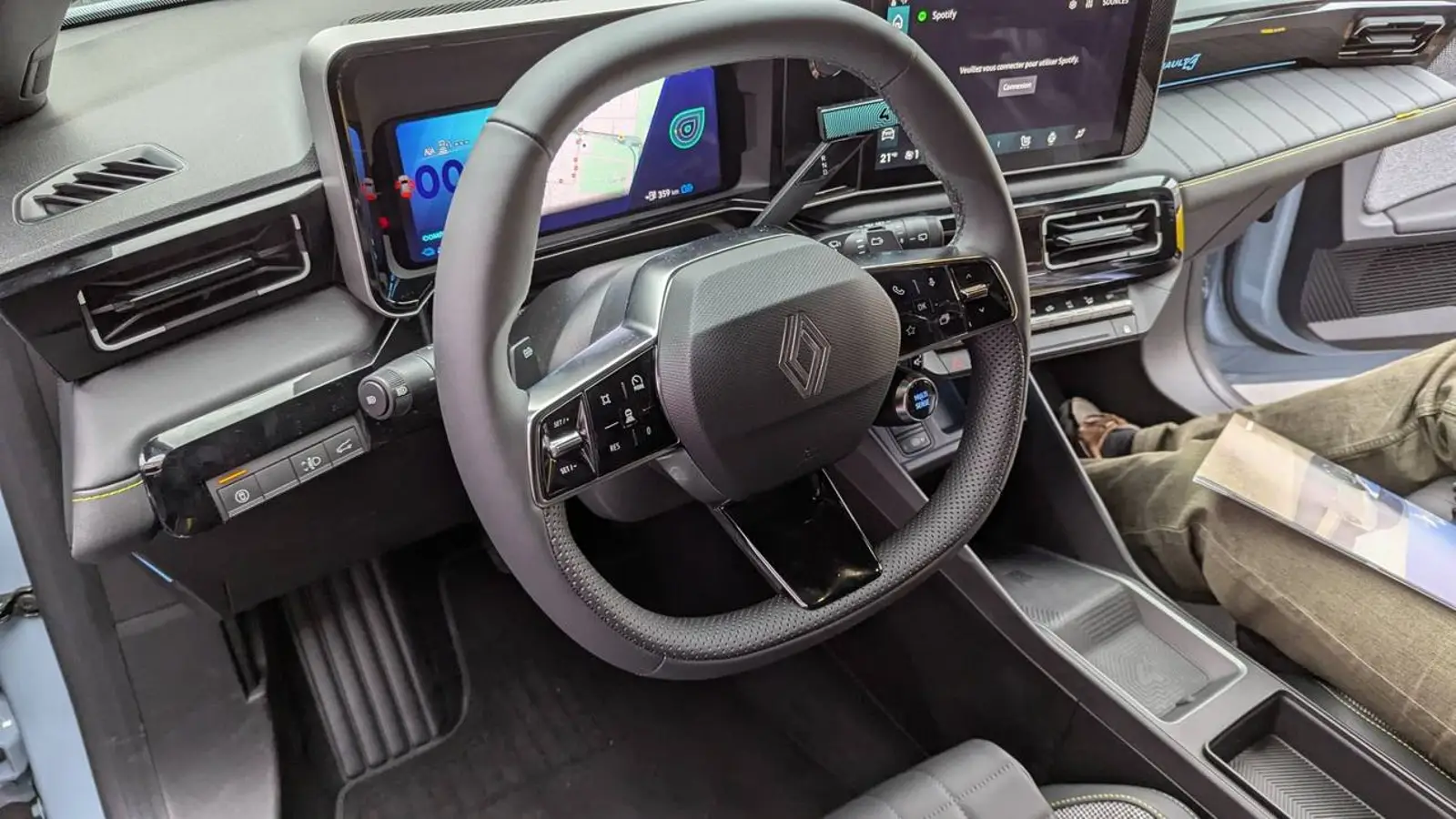
Not so long ago, a computer meant a keyboard and a monitor. Today, opening the media menu in a new car is enough to see you’re dealing with a full-fledged computing platform: a screen, a processor, memory, an operating system, apps, and a constant connection to the internet. And like any gadget, it comes with a side effect—data collection.
Automakers use telemetry to understand how people interact with interfaces and features: which modes they turn on, what they ignore, and where errors occur. On paper, the idea sounds reasonable—refine ergonomics, bolster safety, and stabilize software. But this is where drivers start to feel uneasy: data lists from different brands can include precise geolocation, driving parameters, the states of vehicle systems, incident-related events, and sometimes information from cameras and microphones when those are part of the services.
There’s also the uneasy wording about protecting the company’s interests. Some privacy policies state outright that location data may still be collected even with restricted settings if it’s required to comply with the law or to safeguard property rights. That nudges a connected car from helpful companion toward a tool for oversight, and turns the idea of paid features into a straightforward business lever: the manufacturer sees what you actually use and what can be monetized.
The practical takeaway is simple: the car has become a personal device. Treat it like a smartphone—pay attention to privacy settings and subscriptions.
This English edition was prepared using AI translation under editorial oversight by SpeedMe. The original reporting is by Dmitry Novikov
Latest Stories