Could Japan’s kei cars work in the U.S.? Models and use cases
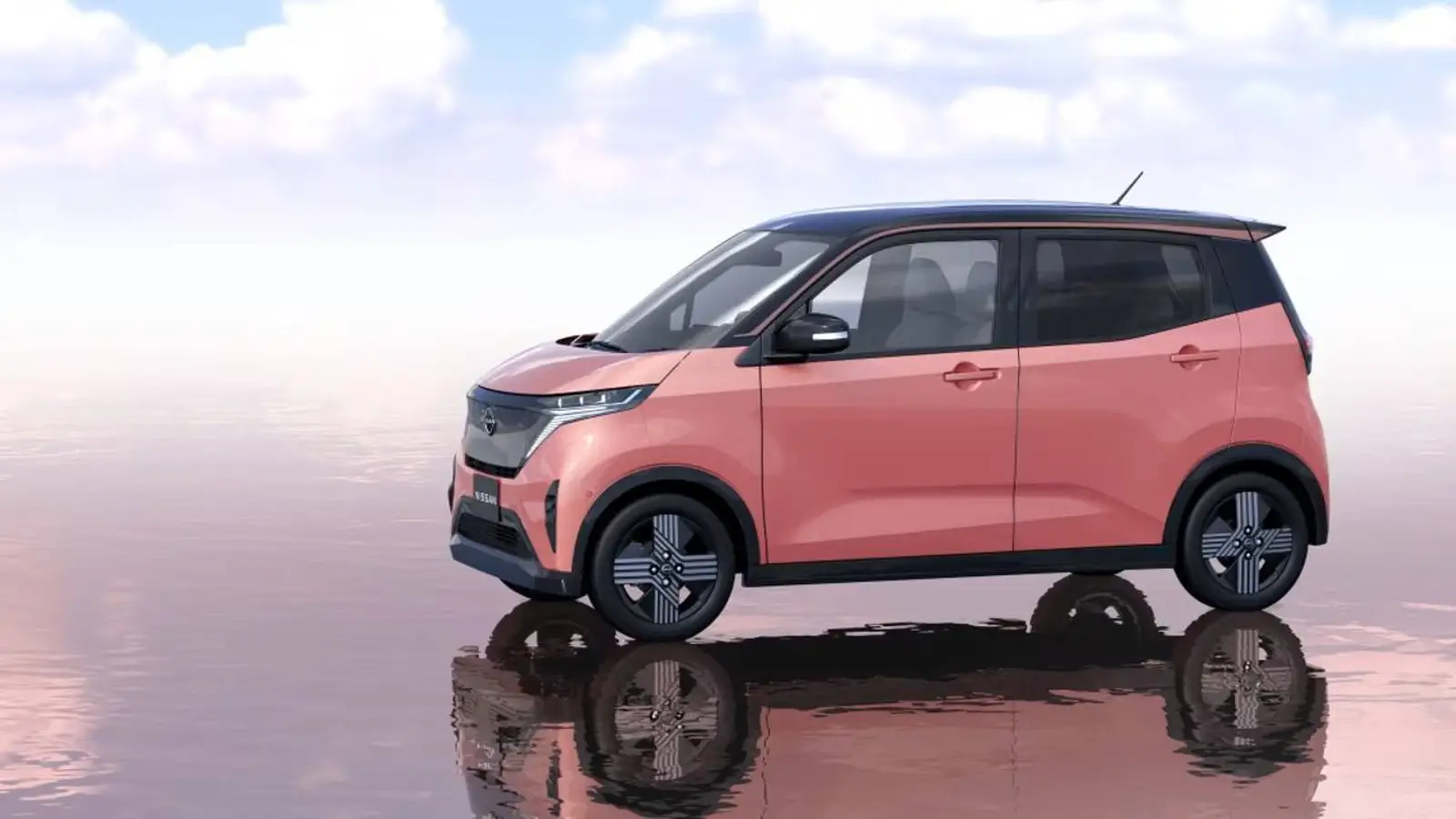 © nissan-global.com
From Nissan Sakura to Mitsubishi Delica Mini, we assess how Japan’s kei cars—EVs, hybrids, and work vans—could fit U.S. streets, pricing, and buyer needs.
Author: Nikita Novikov
Kei cars in Japan are a universe of their own. Strict limits on footprint and engine size (up to 660 cc) are offset by inventive engineering: maximum space from a tiny body, fuel use on par with a moped, and very low taxes. Against a backdrop of pricey U.S. crossovers, the question keeps resurfacing: what if Americans were offered these micro-sized runabouts?
Nissan Sakura: a city-friendly electric compact
The Nissan Sakura is a true electric kei car with a 20 kWh battery and about 63 hp. It can travel up to 180 km on the Japanese cycle and reach roughly 130 km/h—enough for urban use and nearby highways. In Japan it starts at around $27.8K, nearly overlapping with the larger Nissan Leaf that offers more range.
Even so, the Sakura has collected a shelf of national awards and effectively became a symbol of EV affordability. In the U.S., it could slot in as an ideal urban commuter or a fleet car for campuses and corporate parks—provided local production and pricing closer to $20–25K.
Mazda Flair Crossover Hybrid: a mini SUV for frugal drivers
The Mazda Flair Crossover Hybrid is a kei crossover with a 660 cc hybrid setup and laughably low consumption. In Japan, the base front-drive model is about $16.5K, while all-wheel drive is roughly $18.5K.
In essence, it’s a full-on crossover scaled down by half: upright body, enough clearance for dirt roads, and punchy colors. In the U.S., the Flair could stand in as a budget-friendly alternative to big hybrid SUVs for those who want a real city car rather than the image of an off-roader.
Mitsubishi Delica Mini: a tiny van for families and creators
The Mitsubishi Delica Mini is a kei-size mini van available with front- or all-wheel drive and either a naturally aspirated or turbocharged 660 cc engine. In Japan, it ranges from about $21.8K to $25.8K depending on trim.
The ace up its sleeve is the cabin. All four seats fold into a flat platform, turning it into a mini home on wheels—you can sleep, work, haul camera gear, or even run a coffee setup. With vanlife trending in the U.S., the Delica Mini feels like it could fill a micro-camper niche for those not ready to pay for a full-size RV.
Honda N One / N One RS: a toy-like hatch with hot-hatch character

The Honda N One is a classic city hatchback: a three-cylinder 660 cc engine with 57 hp, curb weight from 840 kg, front- or all-wheel drive, and a CVT. In Japan, it starts at about $18.8K.
The standout is the N One RS. It gets the turbo engine (around 63 hp), weighs roughly 910 kg, and pairs with a six-speed manual. The result is a pint-size hot hatch you can hustle through corners without breaching city speed limits. In the U.S., it could turn into a cult favorite among enthusiasts—a Miata-style choice for drivers who don’t need a rear seat or a big engine.
Subaru Sambar: a utilitarian mini for farmers and trades
The Subaru Sambar is a kei legend—a family of mini trucks and vans that Japan has used for everything from farm work to street vending. Officially it’s the same 660 cc class; in practice, it’s impressively adaptable: van, flatbed, box truck, even a tiny wrecker.
Americans have long been importing older Sambars under the 25-year rule, but those are right-hand-drive and short on passive safety. Offer fresh, certified versions with modern safety tech, and they could serve as excellent workhorses for farmers, small shops, and local deliveries in smaller towns.
Honorable mention: Suzuki Jimny
The Suzuki Jimny isn’t technically a kei car (there’s a 1.5-liter, 101-hp version), but it shares the same compact, utilitarian spirit—think mini Wrangler or mini Land Cruiser. For the U.S., it looks like a neat answer to the demand for a small, straightforward off-roader. The catch is that Suzuki would have to rebuild an entire dealer network for a single niche model, which makes the project unlikely.
This English edition was prepared using AI translation under editorial oversight by SpeedMe. The original reporting is by Nikita Novikov
Latest Stories